

February 7, 2026
How do costs compare in Den Haag?
20/11/2024
February 20, 2026
February 20, 2026

When people compare Dutch cities, Den Haag often sits in an interesting middle ground. It’s an international city with government institutions and embassies, and it's close to the sea, but without the intensity or price levels of Amsterdam. This makes many people wonder whether Den Haag is actually more affordable, or if the difference is smaller than it appears.
The answer depends on the kinds of costs you are comparing and the kind of life you want to live. Den Haag doesn’t simply offer “cheaper housing.” It offers a different cost structure, one that can work better or worse depending on your priorities.
Rent levels compared to other major cities
Rent in Den Haag is generally lower than in Amsterdam and often slightly lower than in Utrecht. However, the difference is not uniform across neighborhoods. Central and coastal areas can be surprisingly expensive, while residential districts further inland offer more manageable rents. For renters, affordability improves when expectations about location and size are realistic rather than idealized. Den Haag rewards flexibility.
Buying costs feel more accessible, with caveats
Buying in Den Haag often requires less upfront capital than in Amsterdam. Purchase prices per square meter are typically lower, especially for family homes. This makes ownership feel more attainable for middle-income households. That said, demand in popular areas still creates competition. Affordability exists, but it is not effortless. Access doesn’t eliminate pressure.
Neighborhood variation drives cost differences
Den Haag is highly neighborhood-driven. Coastal areas, historic districts, and embassy zones command premiums. Other neighborhoods offer significantly better value with good transport connections. Understanding neighborhood dynamics matters more than city averages. Granularity changes outcomes.
Space-to-price ratio favors families
Families often get more space for their money in Den Haag. Larger homes, quieter streets, and family-oriented layouts are more common than in denser cities. This reduces the need to compromise heavily on size. More space can mean fewer hidden costs over time. Comfort supports sustainability.
Daily living costs are moderate
Beyond housing, daily expenses in Den Haag are relatively balanced. Groceries, public transport, and services are comparable to other Dutch cities. Proximity to the sea doesn’t significantly inflate everyday costs unless lifestyle choices lean heavily into dining and leisure. Affordability is not undermined by daily life.
Commuting costs depend on the work location
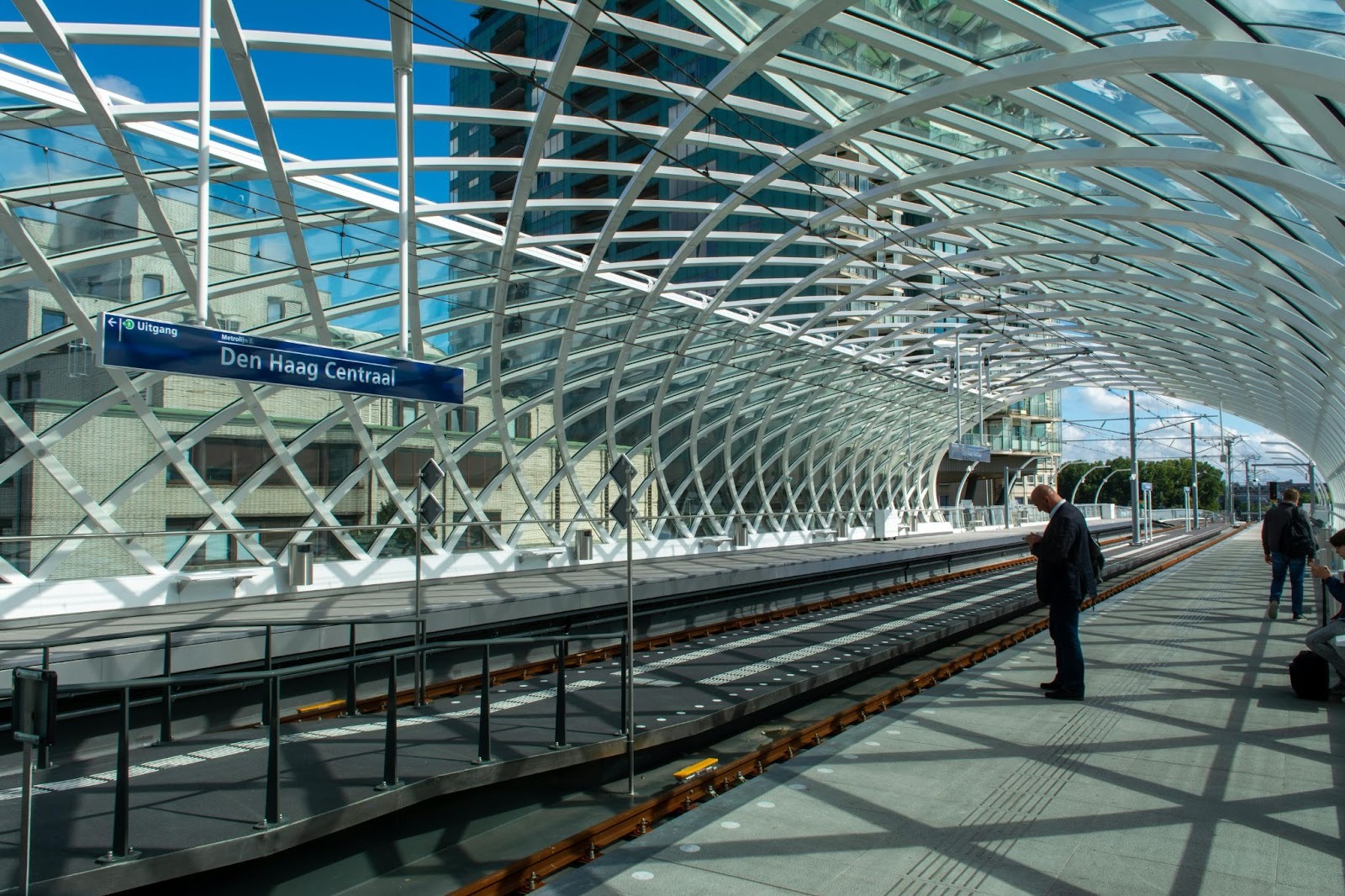
Den Haag’s transport connections are strong, making costs manageable for those working within the city. For these residents, local travel stays within a predictable budget that does not drain monthly savings.
For commuters traveling to Amsterdam or Utrecht, the trade-offs between time and cost increase significantly. Potential housing savings should always be weighed against the actual price of a long daily distance.
International presence affects housing segments
The international population in Den Haag heavily influences specific parts of the local real estate market. Expat-focused rentals and fully furnished properties often carry substantial price premiums over standard units.
Locals seeking unfurnished, long-term housing options typically find better overall value for their money. It is important to understand which market segment you are entering before starting a serious search.
Energy efficiency impacts the total cost of living
Many homes in Den Haag are older structures that might require higher spending on monthly energy bills. While the initial purchase price might be lower, maintenance and heating costs can quickly offset those savings.
Newer developments usually involve higher monthly rents or mortgages but offer much lower utility expenses. True affordability must include these recurring costs rather than just the base price of the home.
Housing turnover is less frantic than in Amsterdam
Competition for homes certainly exists here, but it generally feels more manageable than in the capital. While viewings are still competitive, the overall pressure on buyers and renters is noticeably lower.
This slower pace can significantly reduce the emotional and financial strain during a typical property search. Lower stress levels provide real value to anyone trying to navigate the moving process.
Lifestyle costs shape perception of affordability
Den Haag offers excellent access to natural beauty, including wide beaches and various green spaces. Having these amenities nearby can naturally reduce personal spending on travel or expensive leisure activities.
For many residents, these lifestyle savings help to balance out the primary costs of their housing. Affordability is not just about what you pay, but also about the free resources that meet your needs.
Long-term affordability favors stability
Den Haag tends to reward long-term residents with a sense of financial predictability. Housing costs often stabilize relative to income over time, particularly for those who choose to buy their homes.
Renters also benefit from a market that shows less extreme volatility than the tighter conditions found in other major cities. This stability allows pressure to smooth out as residents settle into the community.
When Den Haag feels more expensive than expected
The city can feel surprisingly expensive if personal expectations are mismatched with the local reality. Those seeking central living, large homes, and proximity to the sea all at once will still face high costs.
Compromise is necessary here just as it is in any other major metropolitan area across the country. Understanding that reality always beats a general reputation for being more affordable is essential for planning.
The final verdict
Costs in Den Haag compare favorably with larger cities, though these savings are not always automatic. Rent and purchase prices are generally lower, while space is more accessible and daily expenses remain balanced.
Neighborhood choice, housing type, and individual lifestyle will ultimately shape the true level of affordability. The city is not necessarily cheap, but it offers a much more balanced approach to urban living.
For people seeking a high quality of life without constant pressure, this balance makes a meaningful difference. Both financially and emotionally, the city provides a sustainable environment for many different types of households.


