

February 8, 2026
How do children adapt to a new home?
6/12/2023
February 8, 2026
February 8, 2026

Moving is often a logistical challenge for an adult, but for a child, it is an emotional earthquake. In 2026, a time when families are more mobile than ever due to changing work patterns and a dynamic housing market, understanding the psychological impact of a new home environment on children is crucial. For a child, a home isn't just a roof over their heads; it's the safe base from which they discover the world, a collection of familiar smells, sounds, and memories. The loss of that familiar environment can lead to uncertainty, sadness and sometimes even a temporary decline in development.
Children's adaptability is great, provided they are properly accompanied through the transition. In this article, we analyse the different phases of adaptation and provide insights into how parents can emotionally support their children in 2026 as they take root in a new environment.
The psychology of change by age group
In 2026, we will look with more nuance at how different age groups react to a move. Each child is in a different phase of autonomy and social dependence, which influences their experience of the new home.
- Toddlers and preschoolers: For them, it's all about the physical proximity of the parents and their regular routines. A new home can be scary because of unfamiliar shadows or sounds. The adaptation here often takes place via the senses: smelling their own familiar cuddles and maintaining sleep rituals are the key to success.
- School-age children: In this phase (6-12 years), the world revolves around friendships and the school environment. The biggest fear is often the loss of social status and the fear of being “the new one”. Their adaptation to the new home is strongly linked to their acceptance of the new neighborhood.
- Adolescents and adolescents: For them, moving is often the biggest violation of their autonomy. They have their identity rooted in their rooms and their local social circles. In 2026, we will see that digital connectivity helps them stay in touch with the old environment, but that the physical adaptation to the new home is often accompanied by resistance and a strong need to be in control of their new space.
The room as the first anchor point
Creating a place of their own will be the most effective way to make a child feel at home in 2026. The children's room should be the first room to be furnished in the new home. Parents often make the mistake of making the living room and kitchen “presentable” first, but for the child's sense of safety, their own domain is the number one priority.
Actively involve children in the process. Let them have a say about the color of a wall or the layout of the room. In 2026, we will see that 'co-creation' helps with the process of ownership. However, for younger children, it is best to make the new room look as much as possible like the old one: the same curtains, the same bed position and the same familiar posters. This offers visual continuity that removes the sharp edges of change. When the base feels safe, the rest of the house follows naturally.
The importance of rituals and saying goodbye
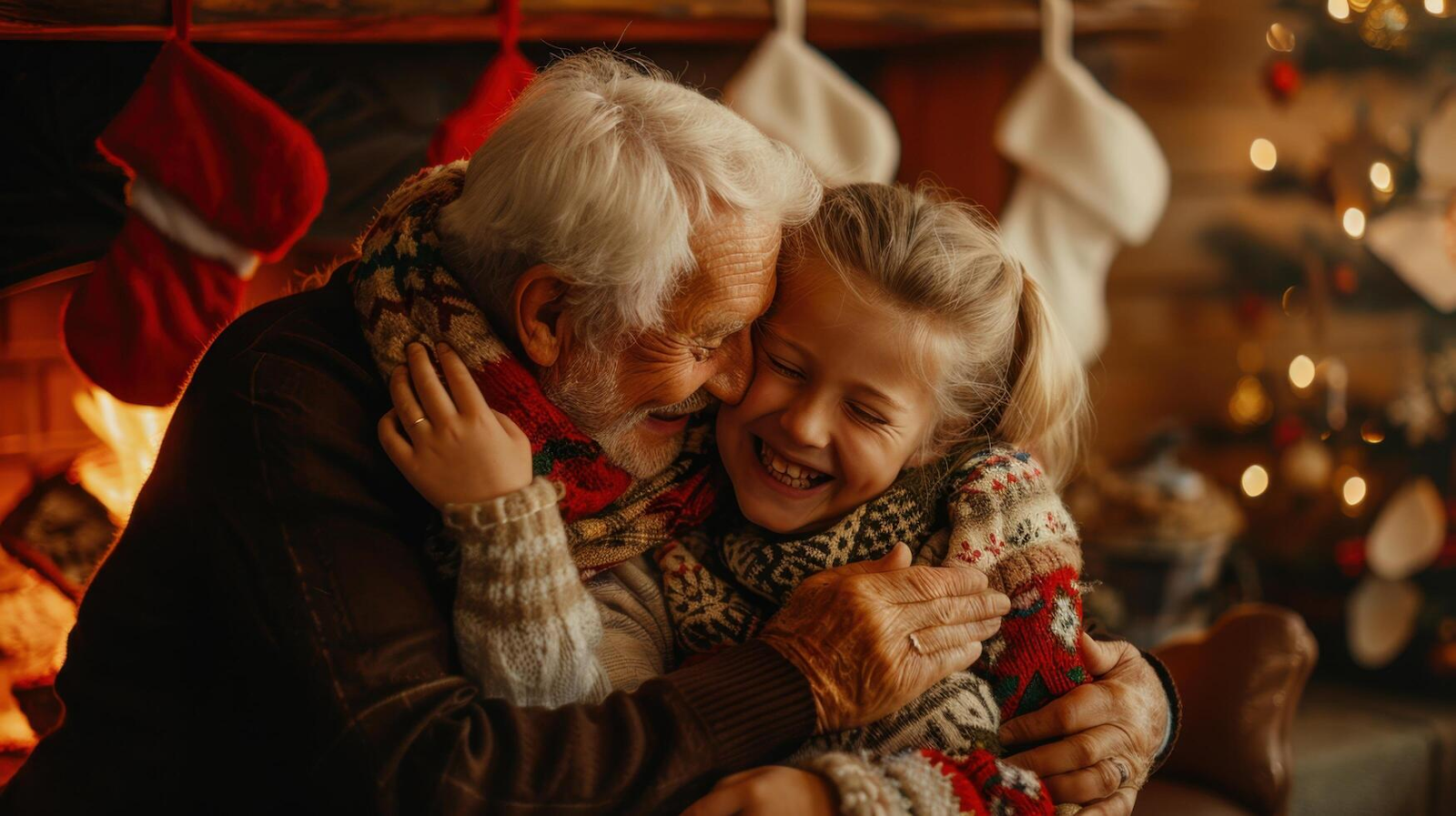
Before a child can adapt to the new, they must be able to consciously say goodbye to the old. In 2026, pedagogues recommend performing active farewell rituals. This can range from making a photo book of the old house to writing a “secret message” for the new residents behind a piece of wallpaper.
Once the move to the new home has been made, new rituals must be created. This gives the child a sense of control and future prospects. Plan a special “first night pizza party” on the floor of the new living room or explore the new neighborhood. By linking positive emotions to the new physical spaces, the child's brain rewrites the association with the home from “unknown and scary” to “new and fun.”
The influence of the neighborhood and social integration
The house doesn't stop at the front door. For a child to fully adapt, the social bedding in the neighborhood is essential. In 2026, parents will more often use local digital platforms to connect with other families in the neighborhood even before moving.
Encourage children to play outside as soon as the boxes are inside. Meeting a neighbor at the sandbox or on the football field can accelerate the adaptation by weeks. A child who feels welcome outside the home is more likely to consider the home as their home base. As a parent, it's your job to build the bridge in 2026: organize a small housewarming for the neighborhood children or immediately find a sports club or hobby group that matches your child's interests.
Behavioral signals during the adjustment period
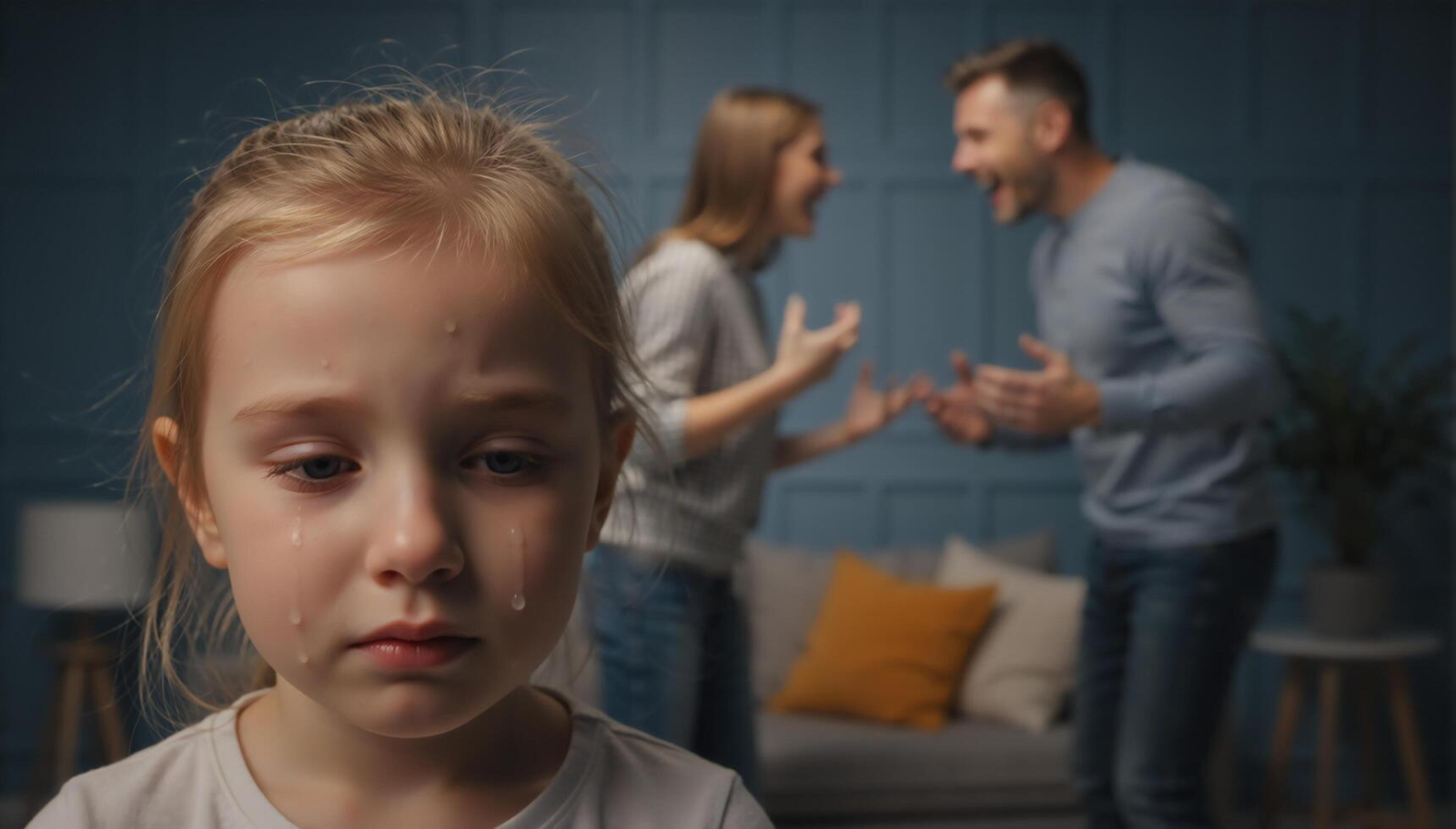
The first three to six months after a move are considered to be the critical adjustment period in 2026. It is completely normal for a child to show behavioral changes during this period. This is not a sign that the move was a mistake, but an expression of the emotional work the child is doing to adapt.
Watch for signals such as:
- Regression: For example, going back to thumbs or bedwetting young children.
- Sleep problems: Fear of the dark or trouble falling asleep in the new room.
- Irritability: Get angry more quickly or be extremely affectionate.
In 2026, the approach here is: recognition and patience. Give the child space to grieve over the old house and don't force enthusiasm about the new home. By naming the emotions (“I sometimes miss our old garden too, shall we hang a picture of the old tree?”) , the child feels understood, paving the way for acceptance.
The role of the parent's emotional stability
Children act as emotional mirrors of their parents. If you, as a parent, exude a lot of stress about the move, finances or the renovation in 2026, your child will pick this up flawlessly and translate it into a sense of insecurity in the new home.
Self-care for parents is therefore an essential part of the child's adaptation. Try to stay calm, even if the internet isn't working yet or if the new kitchen is delayed. Show your own enthusiasm about the new possibilities, but also be honest about your own adaptation process. When a child sees that their parents have the confidence that the new home will be a nice home, they will take over this trust more quickly. In 2026, the move is not just about physical movement, but about jointly building a new emotional foundation.


