February 7, 2026
How do Breda neighborhoods compare?
25/1/2025
February 20, 2026
February 20, 2026
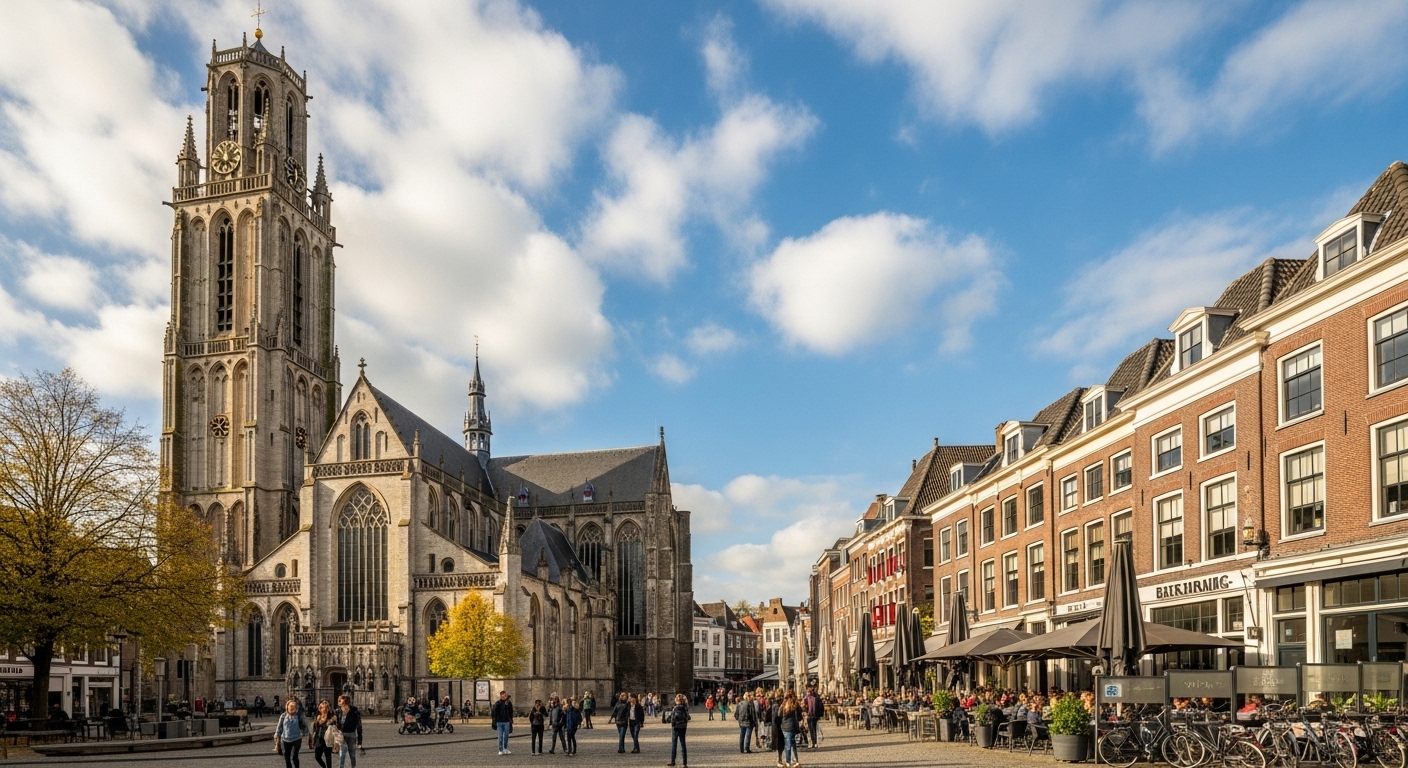
Breda often appeals to people who want city life without the intensity of the Randstad. What surprises many newcomers is how much neighborhoods within Breda differ from each other. The city doesn’t have one dominant “best” area; instead, it offers distinct environments that suit different lifestyles, budgets, and life stages.
Comparing Breda neighborhoods isn’t about ranking them. It’s about understanding how each area feels day to day, and how that feeling aligns with what you actually need from a place to live.
The city center offers energy and convenience
Living in Breda’s center means being close to iconic landmarks like the Grote Kerk and the bustling Grote Markt. Residents enjoy immediate access to hundreds of shops and terraces, making it a perfect spot for those who thrive on urban energy.
Homes here are often apartments or historic buildings, which provide immense charm but often come with higher price tags and more compact living spaces. This area is ideally suited for professionals and individuals who prioritize walkability and a vibrant social scene over a large garden.
Residential areas balance calm and accessibility
Neighborhoods such as Boeimeer and Oranje-Zuid strike a perfect middle ground by offering quieter, leafy streets just a short bike ride from the center. These areas are known for their grand mansions and pre-war architectural styles that maintain a sense of prestige and history.
Many residents choose these neighborhoods because they offer more space for a home office while still feeling connected to the city's pulse. This balance makes them highly sought after by established professionals who want a relaxed environment without sacrificing urban proximity.
Family-oriented neighborhoods prioritize space and routine
Neighborhoods like Haagse Beemden and Ginneken are designed with family life in mind, featuring schools, playgrounds, and local shopping centers. These areas often provide row houses or semi-detached homes with gardens, supporting a stable and supportive community routine.
Ginneken, in particular, is valued for its village-like atmosphere and immediate access to the Mastbos forest. These neighborhoods attract families who are planning for the long term and value a safe, predictable environment for their children to grow up in.
Green-adjacent neighborhoods feel calmer
Neighborhoods bordering the Markdal or the Mastbos offer a lifestyle defined by nature and outdoor activity. Residents in these areas often integrate daily walks or cycles through green corridors into their regular routines, leading to a quieter and more relaxed pace of life.
Access to these green lungs often comes with a premium in property value, as the benefits to wellbeing and air quality are highly prized. For those who can afford the entry price, living near Breda’s expansive forests provides a unique sense of escape within the city limits.
Price differences reflect lifestyle, not just location
In early 2026, price variations in Breda are increasingly driven by a home's energy label and its proximity to sustainable transport. A modern apartment in the high-growth Spoorzone may cost more than an older, larger house in a peripheral neighborhood due to future-proofing and lower utility bills.
Understanding these differences helps buyers and renters align their financial choices with their actual lifestyle needs. Whether paying for the buzz of the center or the peace of the outskirts, the value is found in how well the neighborhood supports your daily habits.
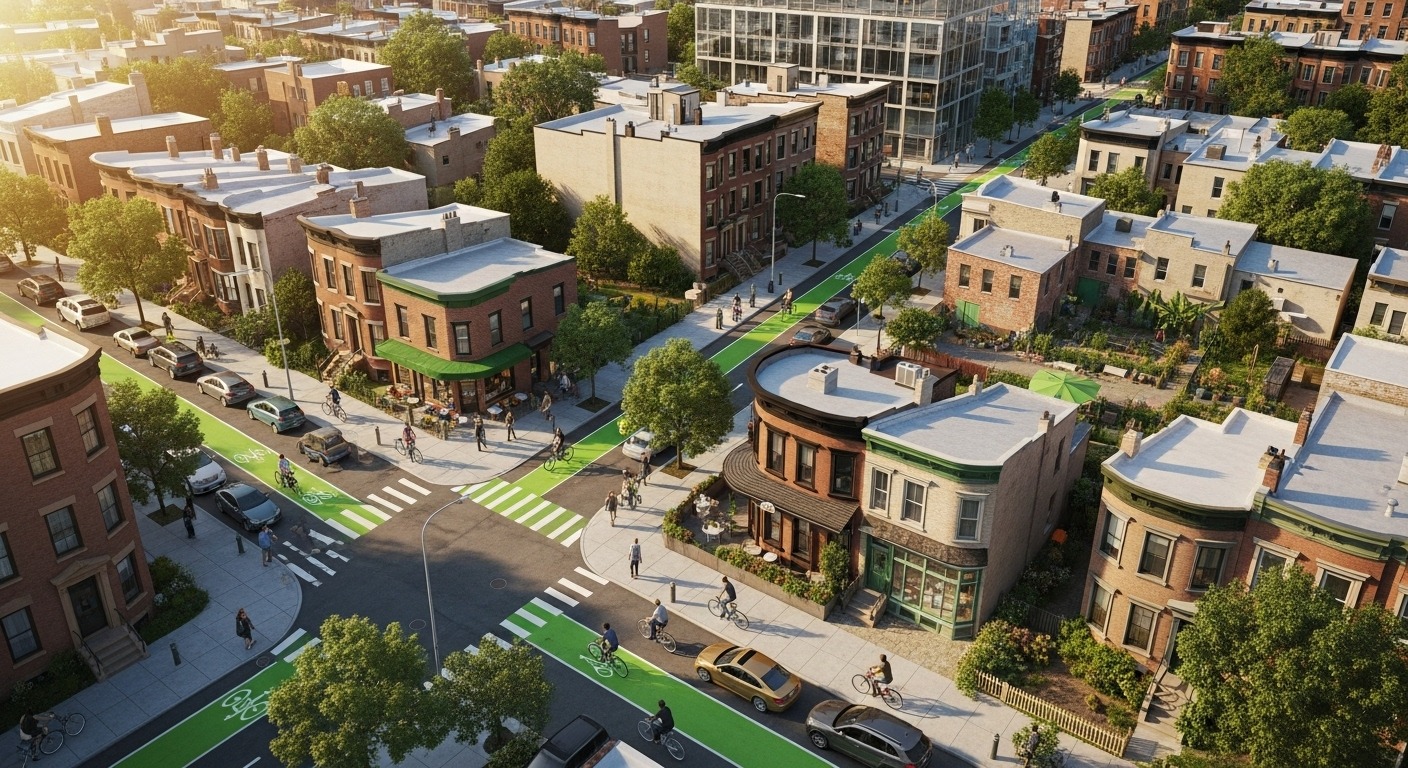
Cycling keeps most neighborhoods connected
Breda’s cycling infrastructure is a core part of its identity, ensuring that even neighborhoods on the periphery remain accessible. In early 2026, the completion of high-speed cycle routes, such as the F58 toward Tilburg, has made inter-city travel by e-bike a viable alternative to regional trains.
This network reduces the "distance penalty" of choosing a more affordable home in the outskirts, as most central destinations are reachable within fifteen minutes. The city's focus on smooth, safe paths ensures that daily travel feels like a lifestyle benefit rather than a logistical chore.
Community feel varies significantly
In more established neighborhoods like Ginneken or Princenhage, the community feel remains exceptionally strong, with local markets and schools serving as social anchors. These areas attract long-term residents who value a "village-like" atmosphere where neighbors know each other by name.
Conversely, newer or more central districts offer a more anonymous, cosmopolitan experience that many young professionals and expats find liberating. This variety allows residents to choose a social environment that fits their personal needs, whether they seek deep local roots or high-energy independence.
Noise and activity levels differ sharply
Sensory experiences in Breda range from the lively, late-night hum of the Grote Markt to the absolute stillness of residential streets bordering the Mastbos. Central areas cater to those who find energy in street life, though residents here often invest in modern sound insulation to manage the urban buzz.
In contrast, peripheral neighborhoods are designed for early nights and quiet mornings, making them ideal for families or remote workers who prioritize a calm environment. Identifying your own noise tolerance is a crucial first step in finding a neighborhood where you will feel truly comfortable over time.
Long-term plans shape the “best” choice
Breda’s "Vision 2030" is actively reshaping the city, particularly with the transformation of the 't Zoet industrial site into a modern, green residential hub. For those planning to stay in the city for decades, these evolving areas offer significant potential for growth and modern community amenities.
Many residents follow a natural evolution within the city, starting in dynamic central apartments before moving to family-oriented row houses as their priorities shift toward space and routine. Because Breda is diverse yet compact, these transitions allow people to upgrade their living situations without losing their connection to the city.
What newcomers often underestimate
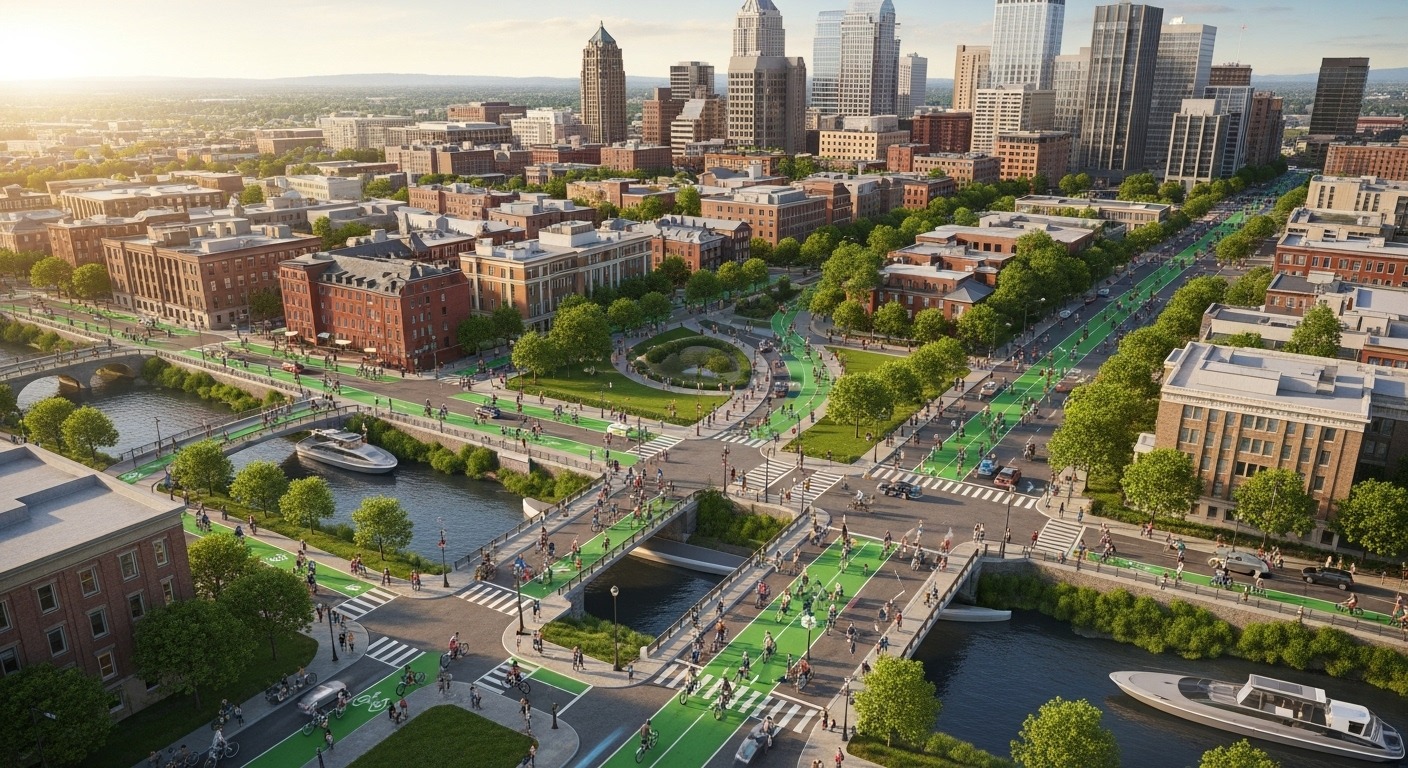
Newcomers frequently underestimate the "North-South divide" in Breda’s cultural and economic geography. While the city is physically compact, the atmosphere shifts sharply once you cross the central railway line. The south is traditionally seen as more prestigious and "green," while the north particularly the booming Belcrum district offers a grittier, creative energy that many mistake for being "unfinished" rather than intentional.
Additionally, the cost of "atmosphere" is often higher than expected. In popular districts like Ginneken or Zandberg, you aren't just paying for square footage, but for a specific social fabric of boutique shops and pre-war architecture. Forgetting to factor in the premium for these "lifestyle neighborhoods" can lead to a quick reality check when comparing lists of available properties.
When comparison becomes unnecessary
The need to compare every neighborhood vanishes once you decide between a "Burgundian" or "Urban" daily rhythm. If your priority is being able to walk into one of the oldest forests in the country, the Mastbos, then southern neighborhoods like Ginneken or Princenhage are the only logical choices. The decision becomes an easy binary based on whether you want a forest or a train station as your primary landmark.
Similarly, for those working in the creative or tech sectors, the Spoorzone and Havenkwartier are currently in a league of their own. With major sustainable urbanization projects like CrossMark nearing key milestones in 2026, these areas offer a structured, modern living experience that historic city-center apartments simply cannot replicate.