February 7, 2026
How connected is Dordrecht transport?
10/1/2025
February 20, 2026
February 20, 2026
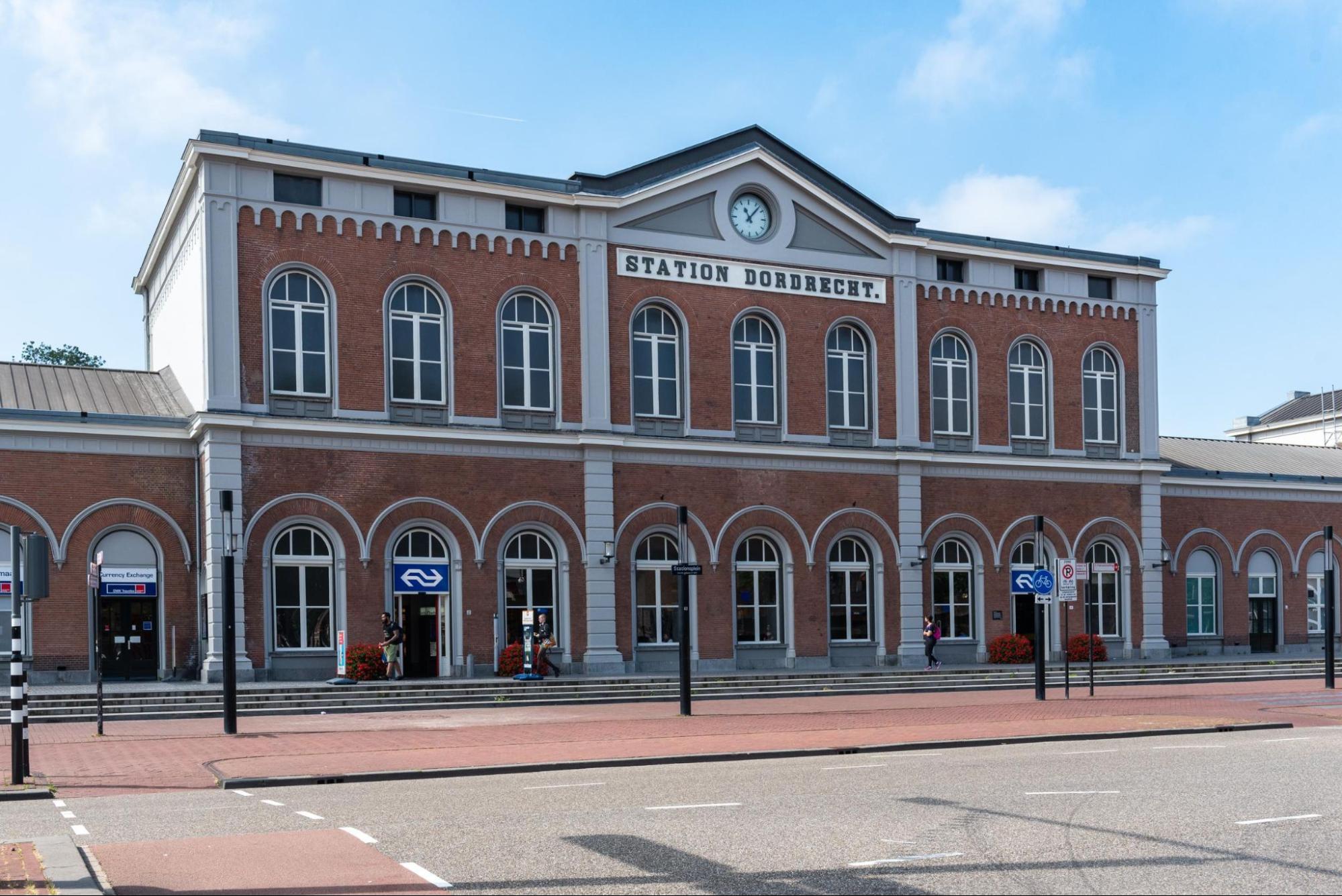
Dordrecht is often described as historic and calm, but transport connectivity is where many people are pleasantly surprised. At first glance, it can feel slightly removed from the Randstad spotlight. In reality, Dordrecht functions as a well-linked hub, especially for people who value reliable connections without constant congestion.
How connected Dordrecht feels depends on how you travel, where you work, and how much daily friction you’re willing to tolerate. For many residents, its transport network quietly supports a smoother routine than larger cities do.
Rail connections form the backbone of mobility
Dordrecht functions as a critical rail junction, offering direct and high-frequency services to major employment hubs like Rotterdam and Breda. In the 2026 NS timetable, connections between Dordrecht and The Hague have been further strengthened, with weekend Sprinter services now running four times per hour.
This robust rail access makes daily commuting highly realistic, often taking just over 30 minutes to reach Breda or Rotterdam Centraal. While nationwide speed restrictions on the high-speed line have impacted some international routes, the local and regional Intercity services from Dordrecht remain consistent and reliable for the average traveler.
Commuting feels structured rather than chaotic
One of the logistical advantages for Dordrecht residents is the predictable and relatively calm boarding experience at the city’s stations. Compared to the high-pressure environments of major hubs like Utrecht or Amsterdam, the flow of passengers in Dordrecht tends to be more orderly and less prone to overwhelming platform crowding.
This structured environment helps reduce the daily "commuter fatigue" often felt in larger cities. Even during the peak hours of early 2026, the station’s layout and service frequency allow for a manageable daily routine where finding a seat and navigating the platforms remains a low-stress activity.
Bus networks support local and regional movement
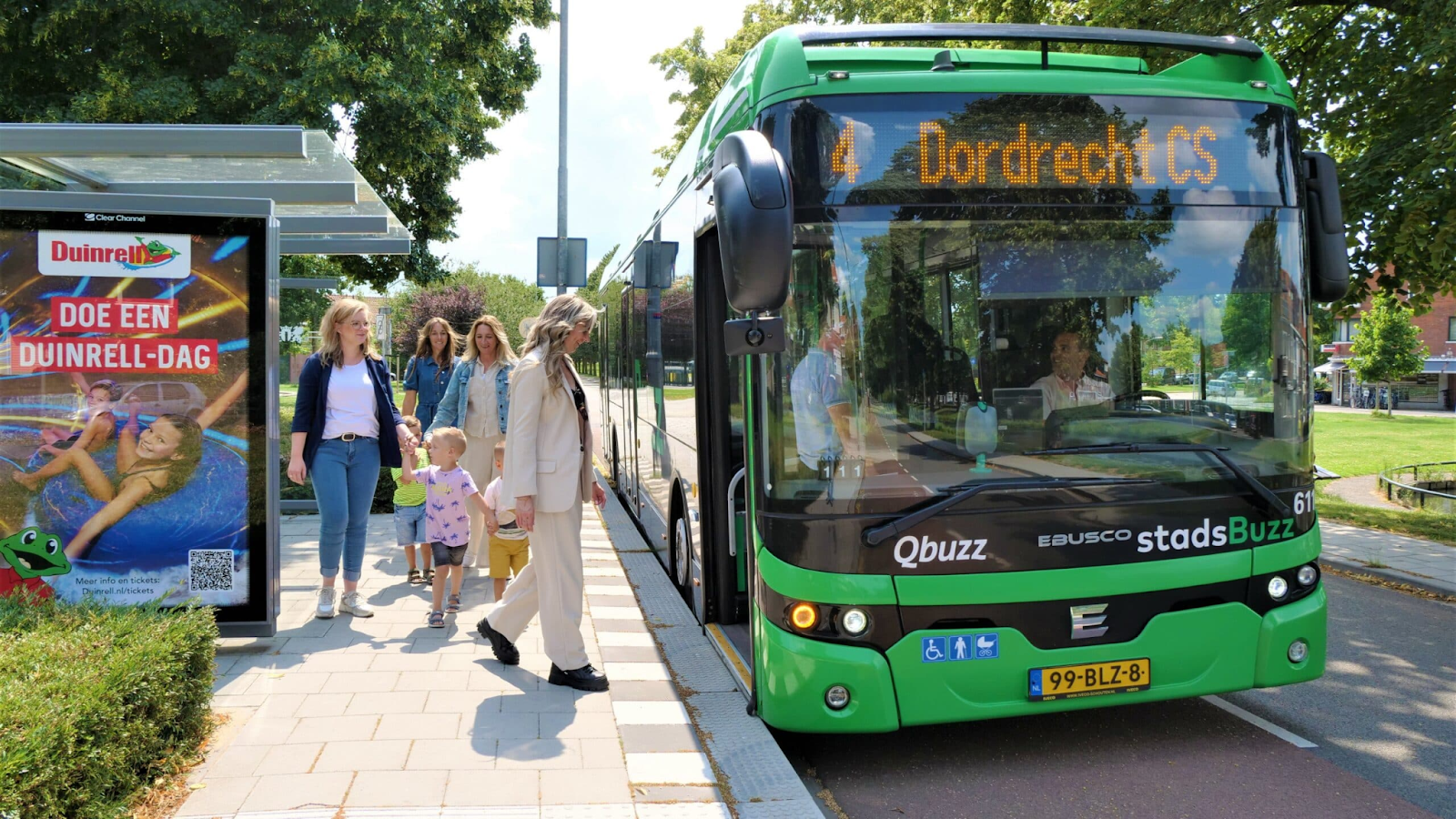
The bus network in Dordrecht effectively bridges the gap between the main rail hubs and the surrounding residential districts. These services are designed to align with train arrival times, ensuring that the "last mile" of a commute is as seamless as possible for those living further from the city center.
While the regional focus is often on the trains, the local bus network remains a practical lifeline for residents without cars. In 2026, the integration of real-time travel apps and unified payment systems has made utilizing these local lines more intuitive, providing comprehensive coverage across the entire island.
Cycling Infrastructure and City Layout
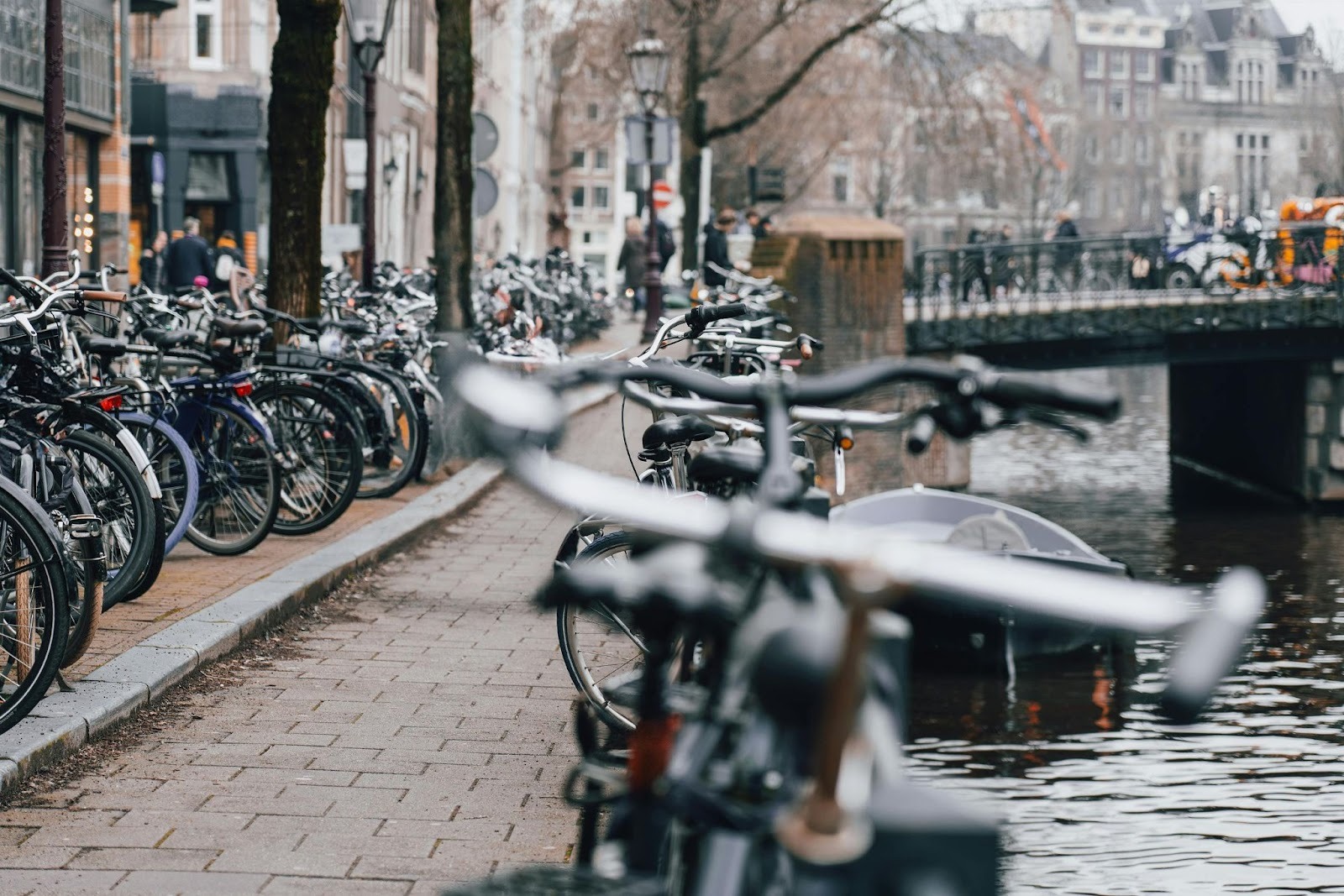
Cycling remains a primary mode of transport in Dordrecht, supported by a compact city layout that makes most destinations reachable within fifteen minutes. The city has prioritized high-quality bicycle parking and safe, separated lanes to ensure that cycling is a viable year-round option for all residents.
These routes are designed to connect residential neighborhoods seamlessly with the central station and the historic core. By reducing the reliance on cars for short trips, the city fosters a healthier, quieter environment where the bicycle is often the fastest way to navigate daily life.
Water Transport and Connectivity
Dordrecht’s rivers are a functional part of its regional transport network, with the Waterbus providing regular services to Rotterdam and the Drechtsteden. In 2026, these routes offer a scenic and stress-free commute that includes free bicycle transport on board.
This water-based connectivity adds a layer of resilience to the city's transport system, offering an alternative to road and rail. For many residents, the 30-minute trip to Rotterdam via the Merwekade is a defining part of the local lifestyle, blending travel with the city's maritime heritage.
Road Access and Congestion Management
Road connectivity has seen a major improvement with the full opening of the new A16 Rotterdam motorway in late 2025. This route provides a faster, quieter connection toward Dordrecht and Breda, helping to divert traffic away from sensitive residential areas.
Despite these upgrades, peak-hour congestion remains a factor that residents manage through flexible scheduling. The integration of "smart" traffic management on the A15 and A16 helps smooth the flow, though most locals still prefer rail or water for their daily commutes to neighboring cities.
Regional Position and Hybrid Work
Dordrecht’s location is perfectly suited for the 2026 "3-2" hybrid work model, where professionals spend three days in the office and two at home. Its central position between the major employment zones of Rotterdam and Breda makes the occasional commute feel manageable.
The city offers a calmer, more affordable home base compared to the high-pressure markets of the Randstad. This balance allows residents to enjoy a historic urban environment on their remote work days without losing access to a wide range of regional career opportunities.
Transport supports family and senior mobility
The city’s transport network in 2026 is built on the principle of universal accessibility, with a focus on level-boarding at all major station platforms. This allows families with strollers and seniors with mobility aids to navigate the city without the constant need for physical assistance.
Local buses and the Waterbus also prioritize these groups, offering low-floor entries and designated spaces for wheelchairs and cargo bikes. This inclusive design ensures that mobility remains a right rather than a challenge, adapting to the natural changes in residents' physical needs over time.
Connectivity feels sufficient rather than excessive
Dordrecht maintains a balanced transport ecosystem that provides reliable regional links without the overwhelming scale of a major metropolitan hub. Residents generally appreciate that the infrastructure is scaled to the city's size, providing exactly what is needed for daily life.
The 2026 timetable has introduced a "Ten-Minute Sprinter" service during peak hours between The Hague, Rotterdam, and Dordrecht. This means you can arrive at the station without checking a schedule, knowing that a connection to the rest of the Randstad is never more than a few minutes away.
When Dordrecht transport may feel limiting
For residents who require a constant, 24-hour urban pulse, the transport network here may feel a bit too quiet during late-night hours. While the "Nachtnet" buses do serve the route between Rotterdam and Dordrecht on weekends, the frequency drops off significantly compared to the daytime peak.
Additionally, those needing ultra-fast cross-country travel may find the regional focus limiting, as Dordrecht serves as a junction rather than a dedicated high-speed stop. This reinforces the city's character as a place that prioritizes a steady, reliable pace of life over high-intensity transit.