
February 8, 2026
4:15

January 23, 2026
February 8, 2026
4:15

In the technological reality of 2026, a home is only truly a home if the digital and physical infrastructure works from the first minute you turn the key. Pre-connecting services, from fiber internet and smart energy meters to local waste facilities, is a crucial step that is often underestimated in the chaos of packing. Nothing disrupts the first night in a new home more than a lack of hot water or, in our present day, the lack of a stable connection for work and communication. A seamless transition requires strategic planning that begins at least one month before the move date.
The process of “pre-connecting” in 2026 involves synchronizing your old and new addresses, making optimal use of digital switching services. In this article, we'll analyze how to activate each essential service in a timely and efficient manner for your new location.
In 2026, the Internet will be the first service you need to arrange. Due to the enormous demand for bandwidth for working from home, 8K streaming and smart-home systems, the waiting time for a physical connection or activation by an engineer can be up to six weeks.
The energy landscape changed dramatically in 2026. With the rise of dynamic energy contracts and the integration of solar panels and home batteries, connecting electricity and gas (if applicable) has become more complex than before.
Report your move to your energy supplier at least two weeks in advance. In 2026, it is essential to check whether your new home has a smart meter that can be linked to an energy management system (EMS). If you have an electric car, you often have to have the charging station at the home activated separately or link it to your new energy contract. By arranging this in advance, you prevent you from purchasing electricity at the highest market rates on day one because there is no active contract in your name yet. Remember that there is no freedom of choice for water delivery in the Netherlands; you simply have to register with the regional water supplier (such as Vitens or PWN) as soon as the transfer date is known.

An often forgotten aspect of connecting services in advance is municipal facilities. In 2026, many municipalities will use digital waste passes and underground containers that are linked to your personal registration in the Basic Registration of Persons (BRP).
Modern homes in 2026 are often equipped with smart thermostats, video doorbells, and alarm systems. Pre-connecting these services is essential for your safety from the first night.
Ask the seller or host to transfer the digital property rights to these systems (such as Nest, Ring, or Philips Hue) in a timely manner. You want to prevent the previous occupant from still having access to the camera images or being able to control the thermostat. Schedule the transfer of these digital “keys” on the day of key handover. If you bring your own security system, make sure the sensors are already paired with your hub before you install them in the new home. This saves you hours of installation work in a house full of boxes.
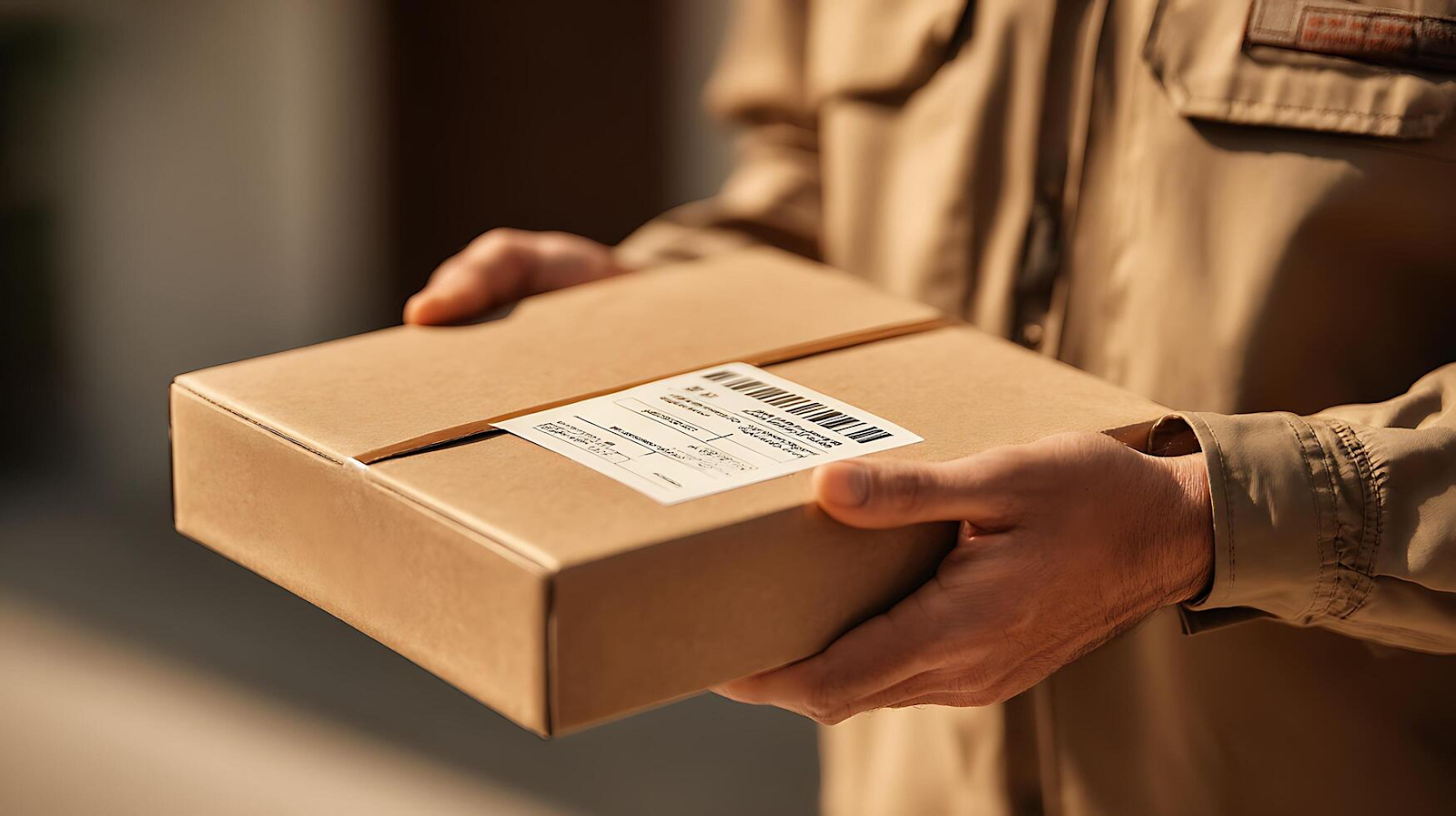
Although it is not a direct “connection” into the wall, the flow of physical goods to your new address is a service that you must pre-configure. In 2026, we're ordering more online than ever, and packages that go to the wrong address are a logistical nightmare.
Use PostNL's transfer service or a similar provider. These services not only let you forward mail, but can also automatically provide your new address to hundreds of affiliated companies, including web shops, banks and insurers, in 2026. Activate this service at least one week before departure. Also, check your accounts with delivery services such as Picnic or HelloFresh; they often have specific delivery windows for certain neighborhoods that you need to reserve in advance to avoid sitting in an empty house without groceries.
Your home and household insurance must seamlessly match the moving period. In 2026, it is the standard for insurers to offer a bridging period where both homes are temporarily covered, but you must activate this in advance.
Provide your new address and the specific features of the home (such as a thatched roof, solar panels or a basement) to your insurer. The rebuild value may vary significantly in 2026 due to increased material costs, and you don't want to be underinsured when you lug in your valuable belongings. A quick confirmation from your insurer that the coverage at the new address is active from the date of the key transfer offers the necessary peace of mind during the physical move.
By connecting these services systematically and in the right order, you transform the moving day from a stressful event into an organized transition to a fully functioning living environment.

