February 8, 2026
How can tenants respond to illegal or excessive rent increases?
30/11/2025
February 21, 2026
February 21, 2026

Few things unsettle renters as quickly as a rent increase that feels sudden or unjustified. In the Netherlands, where housing pressure is already high, a notice of higher rent can trigger immediate anxiety. People worry about affordability, replacement housing, and whether pushing back will put their tenancy at risk. What makes this situation especially difficult is that illegal rent hikes often do not look illegal at first glance. They are usually presented calmly, framed as routine, and delivered at moments when tenants feel least able to resist.
Rent increases are regulated, not discretionary
Rent increases in the Netherlands are not simply a matter of landlord preference. They are regulated, with rules that depend on contract type, rent level, and timing. Regulation makes some increases illegal, even when communicated politely or confidently. Many tenants assume that a written notice automatically makes an increase valid, but legality depends on whether the increase complies with the rules, not on how it is presented.
Whether a rent hike is legal depends heavily on the type of rental contract in place. Permanent contracts and fixed-term contracts follow different rules, and these rules also change depending on whether the rent falls within regulated or liberalized thresholds. Tenants often miss this distinction, especially when contracts are signed quickly under pressure. The same percentage increase can be legal in one situation and illegal in another, which is why confusion is so common.
Notice requirements are not optional
Rent increases must be communicated clearly and in advance. Informal messages, last-minute emails, or vague references to rising costs do not meet legal standards. Proper notice gives tenants time to assess, question, and respond. When notice is rushed or unclear, the increase may be invalid regardless of the amount. This procedural protection exists to prevent surprise and pressure, even when the increase itself might otherwise be lawful.
Landlords often justify rent hikes by pointing to higher costs, inflation, or market conditions. While these factors influence allowable increases, they do not grant unlimited freedom. The law defines what justifications matter and how they can be applied. Market comparisons or personal expenses do not automatically legitimize an increase. When justification relies on vague reasoning rather than legal grounds, the increase deserves closer scrutiny.
Illegal hikes rely on uncertainty and silence
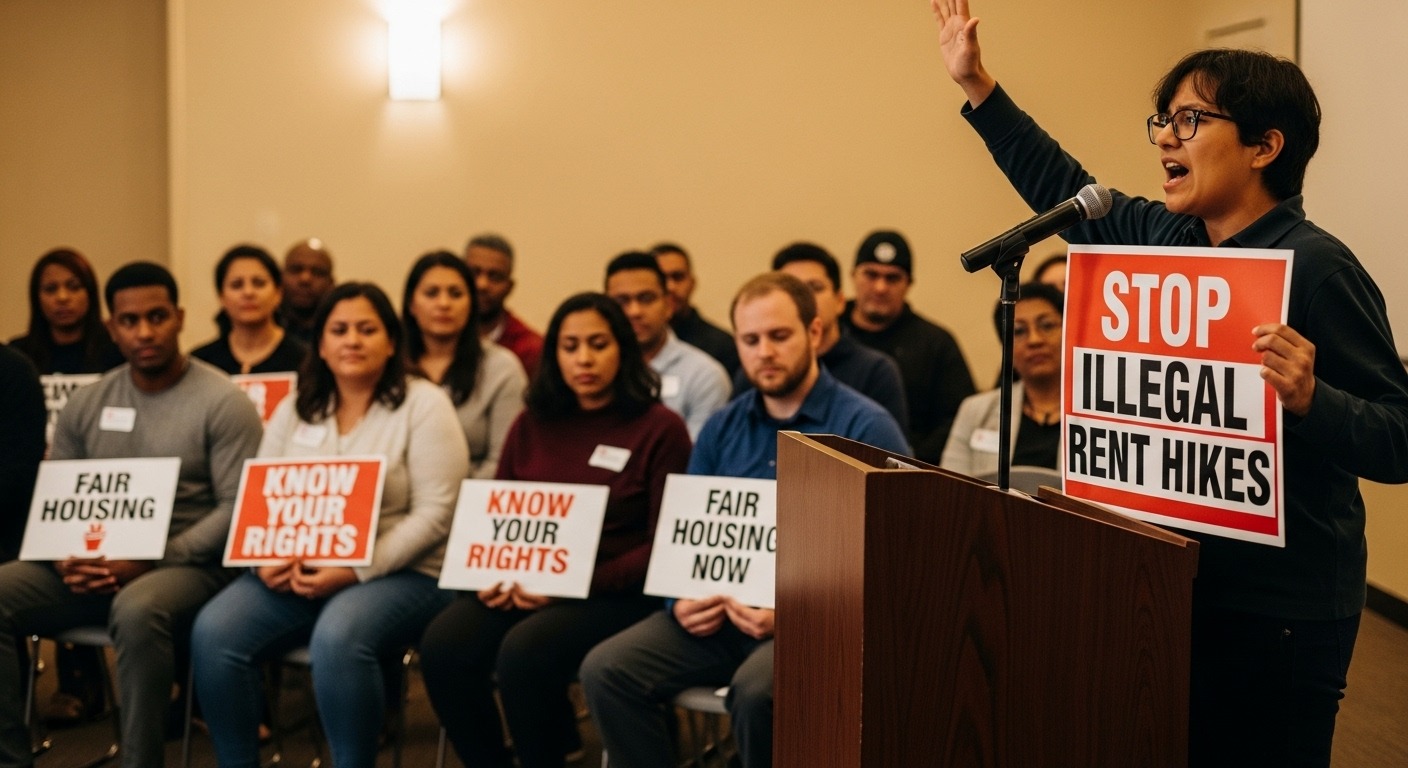
Many illegal rent hikes succeed because tenants are unsure and remain silent. Landlords may assume that renters will accept the increase rather than risk conflict, especially in the high-pressure 2026 housing market where tenants fear losing their security.
In 2026, the law is very specific: private sector increases are capped at 4.4%, mid-market at 6.1%, and social housing at 4.1%. The absence of an immediate objection is often mistaken for agreement, even when the law does not support the landlord's proposed percentage.
Challenging does not mean refusing blindly
Challenging an illegal rent hike is not the same as refusing to pay without a valid basis. It is about questioning the validity of the increase within the framework of the latest 2026 ministerial regulations.
When you respond calmly and focus on these legal limits rather than emotion, the entire conversation shifts. The issue becomes a procedural check of the numbers rather than a personal confrontation, which significantly reduces the risk of escalation. Putting your concerns in writing creates essential clarity for both you and your landlord. It documents timelines, requests an official explanation for the percentage, and signals that the increase is being assessed rather than accepted.
Power imbalance shapes the experience
Even when the law is clearly on your side, the emotional experience of challenging a rent hike can feel incredibly intimidating. Landlords control your housing, and in 2026, finding a new apartment can feel like an impossible task. This structural imbalance often makes tenants doubt their own position, even when they are legally protected by the Huurcommissie (Rent Tribunal).
Understanding that this fear is a product of the market rather than your specific situation helps you separate your emotions from your actions. Tenants on the few remaining legal short-term contracts often feel particularly vulnerable to pressure. You may worry that challenging a rent hike will negatively affect your chances of a lease renewal or a future reference.
Institutions exist to assess legality
The Dutch legal system includes professional mechanisms, like the Rent Tribunal, to assess rent increases objectively. These institutions do not start from the assumption that the landlord is right; they simply apply the year's specific percentage rules.
Many tenants hesitate to involve an external review because it feels like a major escalation. However, these processes are designed specifically for 2026 situations where the legality of a 6% or 7% increase is unclear or disputed. Challenging an illegal rent hike does not always lead to a dramatic courtroom battle or a ruined relationship. In many 2026 cases, the increase is simply withdrawn or adjusted once the tenant mentions the official government caps.
Illegal hikes are often systemic instead of malicious
It is tempting to see every illegal rent hike as a form of intentional exploitation. In reality, many arise from a landlord's misunderstanding of the complex 2024 Wet betaalbare huur or from using outdated indexation formulas. This does not make the hike legal, but it does explain why a calm, factual challenge is often so effective. The system tends to correct itself once professional attention is applied to the specific numbers in your contract.
One of the biggest barriers to challenging a rent hike is the deep-seated fear of retaliation. You might worry about a landlord becoming slow to handle repairs or becoming generally difficult to deal with in daily life.
Challenging restores balance instead of control
The purpose of challenging an illegal rent hike is not to "win" a battle or dominate your landlord. It is simply to restore the balance that the Dutch government intended when it set the 2026 price caps. This reframing helps you feel less at the mercy of a unilateral financial decision. It reminds both parties that housing is a regulated essential service, and that the rules exist to keep the market stable for everyone.

Understanding legality changes the emotional weight
When tenants understand what makes a rent hike legal or illegal, the emotional weight shifts. Anxiety turns into assessment. The question becomes whether the increase meets criteria, not whether the tenant deserves stability. This shift reduces panic and supports clearer decision-making.
Challenging is part of the system working
Challenging illegal rent hikes is not an act of defiance; it is part of how the system is meant to function. Regulations only protect tenants when they are applied. Quiet acceptance of illegal increases weakens those protections over time. Questioning restores their purpose. Knowing how and why rent increases can be challenged does not guarantee comfort, but it creates space to breathe. The situation becomes less personal and more procedural. In a housing market that often feels overwhelming, that clarity alone can reduce stress, even before any outcome is reached.