February 8, 2026
How can expats avoid rental scams?
29/9/2025
February 20, 2026
February 20, 2026

Rental scams are rarely obvious at the beginning. They usually appear during moments of urgency, when housing pressure is high, and options feel limited. For expats in the Netherlands, this vulnerability is compounded by unfamiliar systems, language barriers, and the pressure to find a place quickly to register, start work, or leave temporary accommodation. What makes scams effective is not sophistication, but timing. They appear when people are most willing to believe that a solution has finally emerged.
Scams exploit speed rather than ignorance
Most expats who encounter rental scams are not careless or uninformed. They are moving fast because the market demands it. Scammers understand this and structure their messages to reward urgency. A listing that looks slightly better than average, combined with a request to act immediately, creates a sense that hesitation equals losing the opportunity. The pressure to move quickly overrides the instinct to slow down and verify.
Too-good-to-be-true pricing is contextual
One of the most common red flags is price, but this only works if you understand the local context. In a tight market, unusually low rent for a popular area should raise questions. Scams often rely on people comparing listings emotionally rather than contextually. When stress is high, a “lucky find” feels possible, even when it contradicts everything else you have seen. The scam works because hope fills the gap where skepticism should be. Many scams target expats who are not yet in the country. Remote viewings, delayed move-in dates, or stories about owners being abroad are used to justify why keys cannot be shown in person. These explanations sound reasonable, especially when relocation is involved.
The problem is not remote communication itself, but requests for commitment or payment before anything tangible is verified. Distance creates asymmetry, and scammers rely on that imbalance. The moment money is requested before a contract is signed or keys are exchanged, risk increases sharply. Scammers often frame payments as deposits, reservation fees, or proof of seriousness. These requests are designed to feel normal within the rental process, but their timing is critical. In legitimate rentals, financial transactions follow verification, not precede it. When payment comes before clarity, caution is justified.

Documentation can be to create false legitimacy
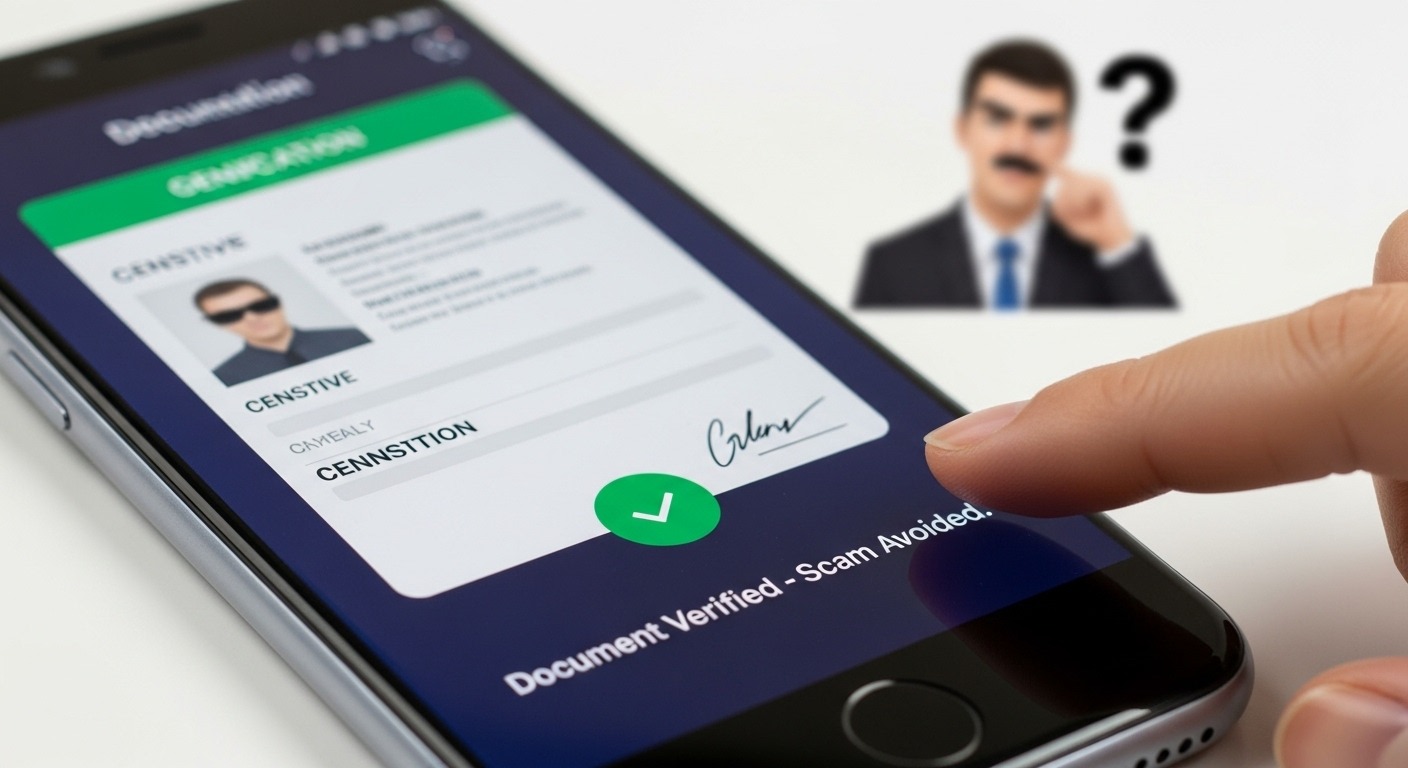
Scammers sometimes provide documents to appear credible, such as copies of IDs, contracts, or registration papers. These documents may look official, especially to newcomers unfamiliar with local formats. The presence of paperwork can create a false sense of security. What matters is not whether documents exist, but whether they can be independently verified. Scams often succeed because paperwork looks convincing enough to discourage further questioning.
Language barriers reduce confidence to challenge
When communication happens in a second language, people hesitate to ask follow-up questions or push back on inconsistencies. This hesitation benefits scammers. Politeness, uncertainty, or fear of misunderstanding can silence doubts. Many expats later realize that they noticed something felt off, but did not feel confident enough to challenge it in the moment. Language does not cause scams, but it lowers resistance to them.
Platforms provide exposure, not protection
Listings on well-known platforms feel safer, but platform presence alone is not a guarantee. Scammers use the same channels as legitimate landlords because that is where renters are. While platforms may remove fraudulent listings eventually, that often happens after damage is done. Trust should be based on verifiable steps, not on where the listing appears.
Scammers often create artificial competition. Messages that emphasize how many others are interested, or how quickly a decision must be made, are designed to shut down reflection. In legitimate situations, competition exists, but it is rarely accompanied by demands for immediate financial commitment without verification. The difference lies in what is being rushed: the decision or the payment.
Viewing avoidance is rarely accidental
Excuses for not allowing viewings tend to follow patterns. Stories about being overseas, using a third party, or sending keys later are common. While there are rare legitimate exceptions, consistent avoidance of in-person or live interaction is a warning sign. Scammers avoid situations where their story can be tested in real time. The absence of a viewing is not always a scam, but it always increases risk.
Testimonials, screenshots of conversations, or claims about past tenants are sometimes used to build trust. These elements are easy to fabricate and hard to verify. Social proof works because it replaces independent judgment with borrowed confidence. In a stressful search, seeing others apparently succeed makes people lower their guard. This is why scams often include details designed to humanize the interaction.
Fear of missing out overrides caution
The emotional state of housing search plays a central role in scam vulnerability. Rejection, exhaustion, and time pressure create a mindset where relief feels close. Scammers exploit this by positioning themselves as the end of the struggle. The stronger the desire for closure, the weaker the internal alarm becomes. This is not a personal failing; it is a predictable response to prolonged stress.
One reason scams stand out is that they feel efficient. Responses are quick, answers are smooth, and everything seems to line up. Legitimate rentals often involve waiting, clarification, and administrative friction. Ironically, the lack of friction is what makes scams attractive. When everything feels too easy in a market known for difficulty, that contrast itself is information.
Verification restores balance
Avoiding scams is less about spotting every trick and more about restoring balance to the process. Seeing the property, confirming ownership or representation, understanding the contract, and aligning payment with possession all slow things down. This slowness is protective. Scammers rely on momentum; verification interrupts it.
Shame keeps scams hidden
Many expats who fall victim to rental scams do not report or discuss it due to embarrassment. This silence allows patterns to repeat. Understanding that scams target circumstances rather than intelligence helps reduce that shame. The system creates pressure, and scammers exploit that pressure. Recognizing this shifts the experience from personal failure to situational risk.
Avoiding rental scams does not mean eliminating urgency from the housing search. It means recognizing when urgency is externally imposed rather than structurally necessary. When pressure comes from someone asking for money or commitment without verification, it deserves scrutiny. When it comes from market competition, it can be navigated with caution rather than panic.
Safety comes from alignment, not trust
In the end, avoiding rental scams is about alignment between story, process, and timing. When these elements match how rentals normally work, risk is lower. When they conflict, no amount of reassurance replaces verification. For expats navigating an unfamiliar system, this understanding provides a stable reference point. The goal is not to eliminate risk entirely, but to avoid situations where risk is deliberately hidden behind urgency and hope.