February 7, 2026
How affordable is renting in Amsterdam really?
5/11/2024
February 20, 2026
February 20, 2026

If you are trying to rent in Amsterdam, you’ve probably asked yourself this question more than once, usually while refreshing listings or leaving yet another crowded viewing. On paper, Amsterdam is one of the most expensive rental markets in the Netherlands. In practice, affordability depends on far more than just the advertised rent.
The real issue is not whether renting in Amsterdam is “cheap” or “expensive.” It’s whether it’s sustainably affordable for your income, lifestyle, and stress tolerance. And that answer looks very different once you move beyond headline numbers.
The advertised rent is only the starting point
When people talk about affordability, they usually start with monthly rent figures which are already high in this city. However, the real cost often begins to climb after you first see the listing and begin the application process.
Competitive properties frequently attract dozens of applicants, pushing renters to stretch their budgets just to be considered by a landlord. Many people accept terms that fit income rules on paper but leave very little room for error in their daily lives.
Competition quietly raises the real price
Scarcity defines the rental market here, making affordability a relative concept rather than a fixed number. You are not just competing against price tags but also against other renters with higher incomes or more flexible conditions.
This intense pressure often pushes people to accept smaller homes or less ideal locations than they originally planned. Over time, this dynamic normalizes the habit of stretching budgets to the absolute limit of what is possible.
Location within Amsterdam changes affordability dramatically
The city is not one single market, as neighborhoods differ significantly in rent levels and competition intensity. Central areas often command high premiums that do not always translate into better levels of daily comfort for the resident.
Some renters pay a significant amount for proximity they rarely use while others find a better balance outside the popular zones. Affordability improves when the chosen location matches your actual lifestyle rather than just a general assumption.
Size and quality trade-offs affect daily life
Lower rent does not always mean lower monthly costs once energy bills and general comfort are factored into the equation. Many rental units are compact or poorly insulated, which can lead to surprisingly high utility expenses during the winter.
Renters sometimes underestimate how much small inconveniences can add up over time, especially when working from home. A cheaper rent is not truly affordable if it ends up eroding your overall quality of life and personal well-being.
Income rules mask real financial strain
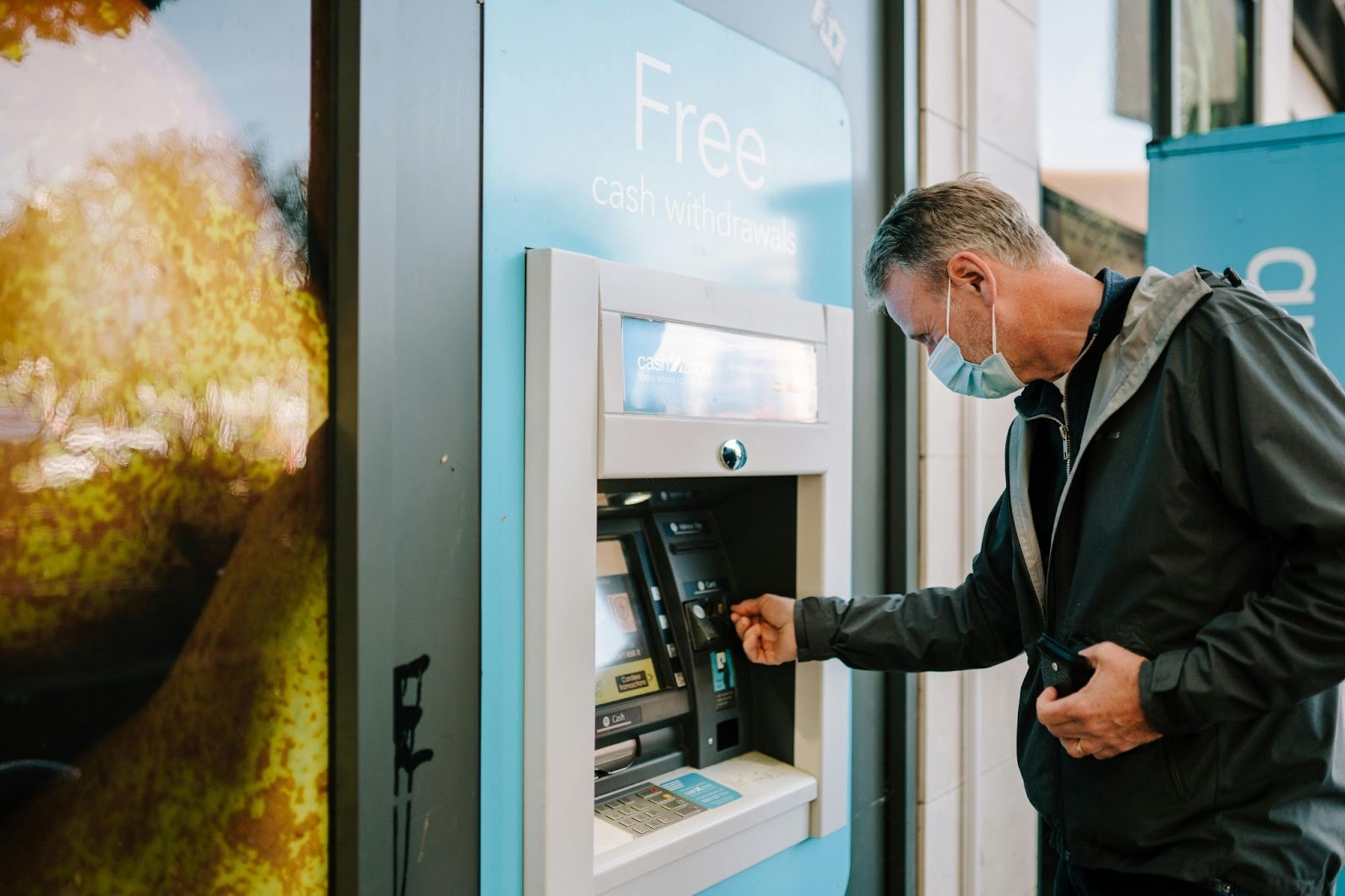
Landlords typically apply strict income requirements that create an illusion of financial safety. In reality, these thresholds rarely account for the rising costs of groceries, utilities, and transport.
Many renters technically qualify for a home but still feel financially stretched from month to month. Real affordability is not just a mathematical formula on a contract, but a daily lived experience.
Short-term contracts increase long-term cost risk
Permanent leases are now the standard under recent laws, yet specific exceptions for students and expats still exist. This uncertainty regarding contract renewal creates a significant financial risk for many households.
Future rent increases or forced moves mean repeated exposure to high market rates every few years. This makes long-term budgeting unpredictable, even if your current monthly costs seem manageable for now.
Shared housing improves numbers, but not always comfort
Sharing a home reduces the rent per person and is often the only way the city feels accessible. However, shared living comes with unavoidable compromises regarding privacy, daily routines, and personal flexibility.
What works well in your early twenties may feel increasingly exhausting as your lifestyle needs evolve. The true affordability of a shared setup depends on how long that living arrangement remains sustainable for you.
Hidden costs distort affordability calculations
Monthly rent is never the only expense, as service charges and internet costs add up quickly. In tight markets, renters also tend to move more frequently, which leads to high recurring moving fees.
What looks affordable on a monthly basis can become quite expensive when viewed over a full year. High tenant turnover has a hidden price that often distorts your original financial planning.
Rent increases outpace lifestyle adjustments
As rents rise, residents often find themselves making quiet adjustments to their daily spending habits. This can lead to less personal saving, fewer spontaneous outings, and the delaying of major life plans.
These trade-offs do not show up in housing listings, but they significantly impact your long-term well-being. Many people only realize the true cost when they try to make a change elsewhere in their lives.
Affordability depends on the time horizon
Short-term and long-term affordability are two very different concepts in a fast-moving city. Renting in a popular neighborhood might feel fine for a year, but repeated increases can change that.
This is why many newcomers feel financially stable initially but eventually find themselves feeling exhausted. Time reveals the true pressure of a market that continues to evolve at a rapid pace.

For those renting in Amsterdam is affordable
Renting tends to work better for people with higher or dual incomes who have strong job mobility or short-term plans. It also suits those who value immediate access and urban flexibility over long-term stability and predictability.
Affordability improves when your expectations align with the high-cost reality of the current 2026 market. For those in flexible life phases, the city provides an unmatched level of opportunity and professional networking.
For whom it quietly stops being affordable
Renting becomes significantly harder when income growth stalls or when your family size begins to increase. At that point, even rents that once seemed reasonable can feel restrictive rather than supportive of your goals.
As your need for stability grows, the constant pressure of a competitive market can become a source of daily stress. Affordability is not a static number; it evolves alongside your changing life priorities and personal needs.
Sustainability over entry
Renting here is affordable on paper for many, but sustainably affordable for far fewer residents over time. The real question is whether your housing situation supports your financial health and long-term plans without constant compromise.
While renting works perfectly for some, for others the true cost is measured in stress and limited breathing room. Once you view affordability as more than just a number, the right decision for your future becomes much clearer.