February 5, 2026
Buying a house in the Netherlands: 10 pros and cons
9/7/2024
February 19, 2026
February 19, 2026

Buying a house in the Netherlands is often described as a milestone, a sign of stability, progress, and “finally settling down.” At the same time, many buyers feel conflicted. Prices are high, competition is intense, and the process can feel unforgiving if you make mistakes.
The truth sits somewhere in the middle. Buying a home in the Netherlands comes with clear advantages, but also real trade-offs that don’t always show up in optimistic conversations.
Below are ten core pros and cons, explained in context, not as checkboxes, but as lived realities.
Pro – Housing Stability
One of the biggest advantages of buying a home in the Netherlands is the long term stability it provides. As a homeowner, you are no longer dependent on landlords or temporary contracts that can leave you searching for a new place on short notice.
Your housing situation becomes highly predictable once your mortgage terms are fixed and settled. In a country where rental insecurity is a common issue, this sense of permanence is a powerful motivator for many people looking to settle down.
Con – High upfront costs
Buying a house requires a significant amount of upfront cash that many first time buyers find challenging. Transfer taxes, notary fees, and valuation costs usually cannot be included in your mortgage and must be paid from your own savings.
This financial barrier can feel quite heavy even for households with solid monthly incomes. It makes the market less accessible for those without a long history of saving or external financial support from family.
Pro – Building equity instead of paying rent
Monthly mortgage payments contribute directly to your future ownership rather than disappearing into a landlord's bank account. While not every euro goes toward the principal immediately, you are slowly building value in a tangible asset that you own.
This psychological shift is meaningful for many people who want to see a long term return on their housing costs. Knowing that your monthly expenses are supporting your future financial health provides a strong sense of security.
Con – Limited flexibility to move
Buying a home ties you to a specific location and significantly reduces your flexibility to move quickly. If your career path changes or your family situation shifts, selling the property can be a time consuming and expensive process.
Unlike renting, where you can often give a month of notice, owning a home involves market risks and transaction costs. This lack of mobility can feel restrictive during the earlier, more fluid stages of your adult life.
Pro – Favorable financing conditions
The Netherlands offers relatively buyer friendly mortgage conditions that provide stability over many decades. Long fixed rate periods and clear lending rules make it much easier to plan your long term financial future with confidence.
This predictability is a quiet but significant advantage that protects you from the volatility seen in other countries. It allows you to know exactly what your housing costs will be for many years into the future.
Con – Competitive market
The process of buying a home is rarely calm and can be quite emotionally draining for many participants. Viewings are often crowded and bidding wars have become a standard part of the experience in popular Dutch cities.
This intense pressure can sometimes push buyers to make rushed decisions or stretch their budgets too far. The emotional fatigue of the search is one of the most significant downsides for people entering the market today.

Pro – Legal Protection
The Dutch buying process is highly regulated and provides a strong layer of protection for all parties involved. Notaries, land registries, and standardized contracts work together to ensure that transactions are transparent and legally sound.
While this structure does not eliminate all stress, it does significantly reduce the risk of fraud or uncertainty. You can move forward knowing that the ownership records are clear and the system is designed to be fair.
Con – Maintenance Responsibility
Ownership means that all repairs, upgrades, and ongoing maintenance tasks fall directly on your shoulders. Older Dutch homes in particular require constant attention and investment to keep them in good physical condition over time.
Many buyers underestimate the amount of time and money required to maintain a property beyond the initial purchase.
Pro – Potential Growth
Historically, property values in the Netherlands have shown a consistent tendency to increase over the long term. While growth is never guaranteed, patience has often rewarded those who buy in well connected or supply constrained areas.
For buyers who plan to stay in their home for a decade or more, this potential appreciation offers a financial upside. It can turn your primary residence into a significant source of wealth as the years pass by.
Con – Market Exposure
Buying a home exposes you to external economic shifts that are completely outside of your personal control. Changes in interest rates, tax rules, or national housing policies can all affect the value and cost of your investment.
While many of these risks are manageable over a long period, they represent a real vulnerability for homeowners. Renters are largely shielded from these systemic shifts and do not have to worry about market corrections.
Pro – Creative Control
As a homeowner, you have the total autonomy to decide how your living space looks and functions. You can perform renovations, energy upgrades, or layout changes without having to ask a landlord for permission.
This control allows your home to evolve alongside your life and provides a major improvement to your daily quality of life.
Con – Cost Comparison
Despite popular belief, buying a home is not always cheaper than renting in the short term. When you account for mortgage interest, maintenance, and opportunity costs, the financial benefit often only appears after several years.
Buying makes the most sense when it aligns with your long term plans rather than just as a reaction to rent prices. It is a strategic decision that requires a broad view of your entire financial landscape.
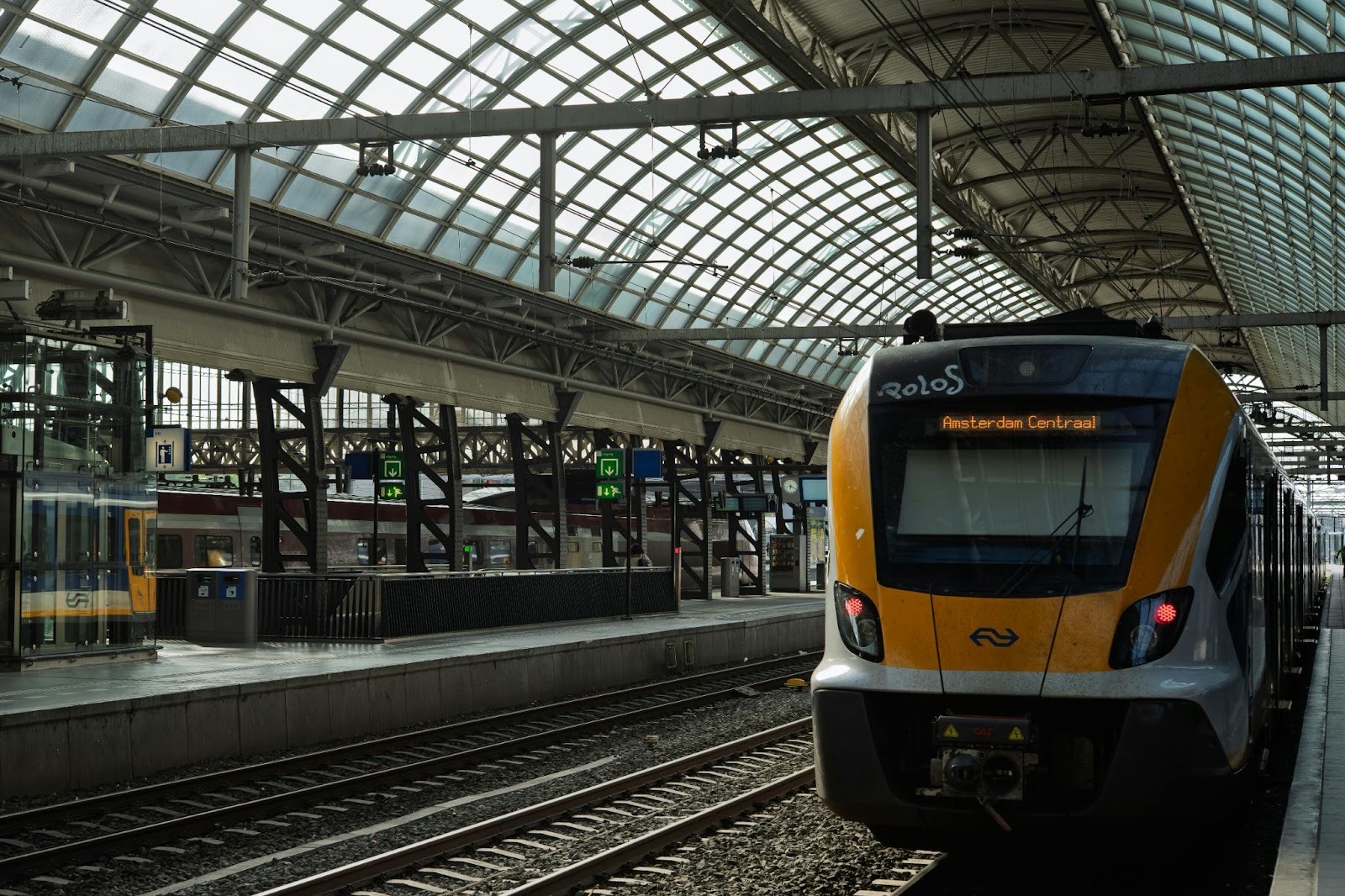
Pro – Infrastructure Support
The Netherlands is built for long term residency with excellent public transport, schools, and healthcare systems. Buying into this infrastructure feels reliable and ensures that your daily needs are well supported by the state.
This stable social context strengthens the case for ownership if you plan to stay in the country for the foreseeable future. It provides a high level of comfort that matches the permanence of owning a home.
Con – Timing Intentionality
When you choose to enter the market can matter just as much as what specific property you decide to buy. Entering during a peak or under extreme social pressure increases your risk of future financial regret.
While you do not need to time the market perfectly, your entry should be intentional and based on your own readiness. Most mistakes in the housing market come from a lack of preparation or a rushed timeline.
Pro – Sense of Belonging
There is an emotional dimension to home ownership that is often hard to quantify in a simple spreadsheet. Many owners feel more settled and connected to their local community once they have made a permanent investment.
The home becomes a personal sanctuary in a much deeper way than a rental property ever could. This sense of belonging and pride of ownership often outweighs the purely financial considerations of the deal.
Con – Commitment Weight
Buying a home feels like a final decision that carries a significant amount of psychological weight for many people. Even though it is always possible to sell, the idea of such a large commitment can feel trapping to some.
This emotional pressure should not be underestimated, especially for those buying their first property.