February 5, 2026
Why are some locations better for home value?
25/5/2022
February 5, 2026
February 5, 2026

In the real estate world, it's a mantra that's been around for decades: location, location, location. But what does that actually mean in 2026 practice? Why does a modest terraced house in one neighborhood increase in value by 10%, while an identical home in a village further away is barely visible?
The value of real estate is not only determined by the stones and the tiles, but mainly by the environment in which those stones are located. It involves a complex interplay of economic opportunities, social infrastructures and the psychology of the home seeker. In this article, we analyse the factors that ensure that certain areas are “real estate magnets” and better retain their value over the long term.
The proximity to the “Economic engine”
The most important driver of home value is the labor market. People want to live where they work, or where they can easily travel to work.
The 30 minute rule
Areas that are within thirty minutes of travel time from major economic centers (such as the Zuidas in Amsterdam, the Brainport in Eindhoven or the port of Rotterdam) have a structurally higher value. In 2026, now that hybrid working is the standard, proximity to an Intercity station or a good motorway connection will have become even more important than the distance in kilometres. A village that is well accessible by the North/South Line or the new express train connections will see its real estate value rise faster than a city that is logistically isolated.
Amenities and the “15-minute city”
In 2026, quality of life will be a decisive factor. Areas that are designed according to the principle of the 15-minute city, where all daily needs such as supermarkets, schools, health care and sports are accessible within fifteen minutes of walking or cycling, are extremely popular.
- Education: The presence of well-regarded primary and secondary schools is an enormous catalyst for home value. Parents are willing to pay a substantial premium to live in the catchment area of a top school.
- Green and Blue: Parks, forests and water (lakes or canals) act as “lungs” for a neighborhood. Historically, homes with a view of greenery or water have a 10% to 20% higher value than homes in petrified neighborhoods.
Scarcity and zoning plans
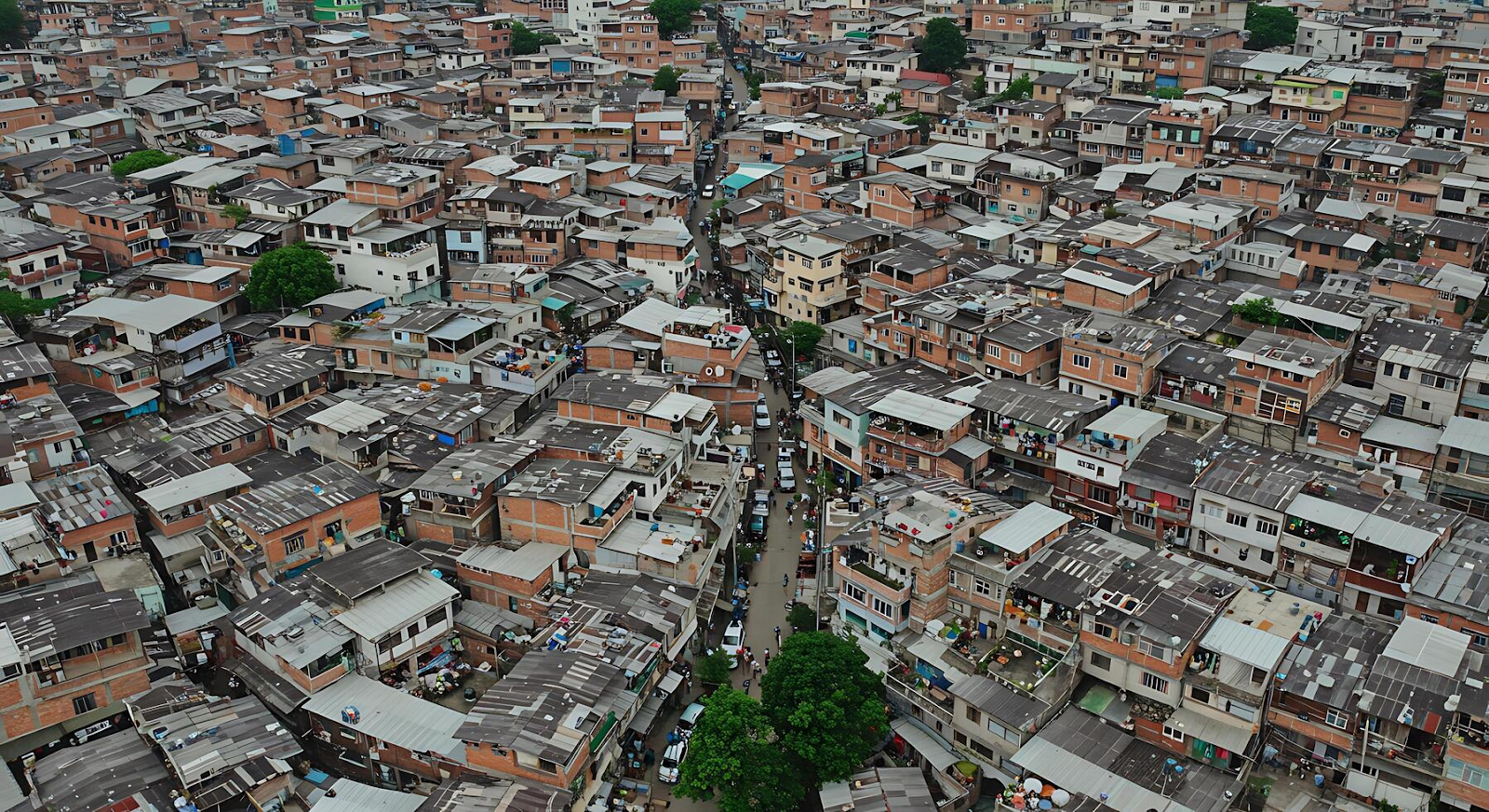
Economy 101 teaches us that price is determined by supply and demand. In areas where space is limited and the municipality has strict building restrictions, the value remains high due to artificial scarcity.
Protected cityscapes
In historic centers such as Utrecht, Haarlem or Leiden, you can't just build a residential area. The offer is limited to the existing buildings. Because the demand for characteristic properties in these areas always exceeds the supply, these locations are excellent long-term investments. On the other hand, areas where massive new construction projects are planned may experience a temporary stagnation in price growth, simply because the buyer's choice is widening.
Social cohesion and “Gentrification”
The value of an area is also strongly related to its demographic composition and the speed at which a neighborhood is transforming. This process is also known as gentrification.
When a previously less popular neighborhood is discovered by creatives, young professionals and hip hospitality, real estate values follow very quickly. In 2026, investors are often looking at neighborhoods that border on already popular neighborhoods. The 'overflow' of capital means that these neighboring neighborhoods often show the highest percentage increase. A neighborhood with an active neighborhood association, little vacancy and well-maintained public spaces exudes safety and stability, which is essential for value retention.
Safety and “Climate resilience”
In 2026, a new factor that influences the value of locations was added: climate adaptation. Buyers are more aware of the risks of flooding and land subsidence.
- High altitude versus low altitude: Areas that are known for good water drainage and stable soil (such as sandy soils in the Veluwe or Brabant) are gaining popularity compared to areas with high foundation risks due to a falling groundwater level.
- Safety figures: Neighbourhoods with low crime rates and safe play areas for children retain their status as “A locations” unwavering.
The “Instragrammability” and architecture
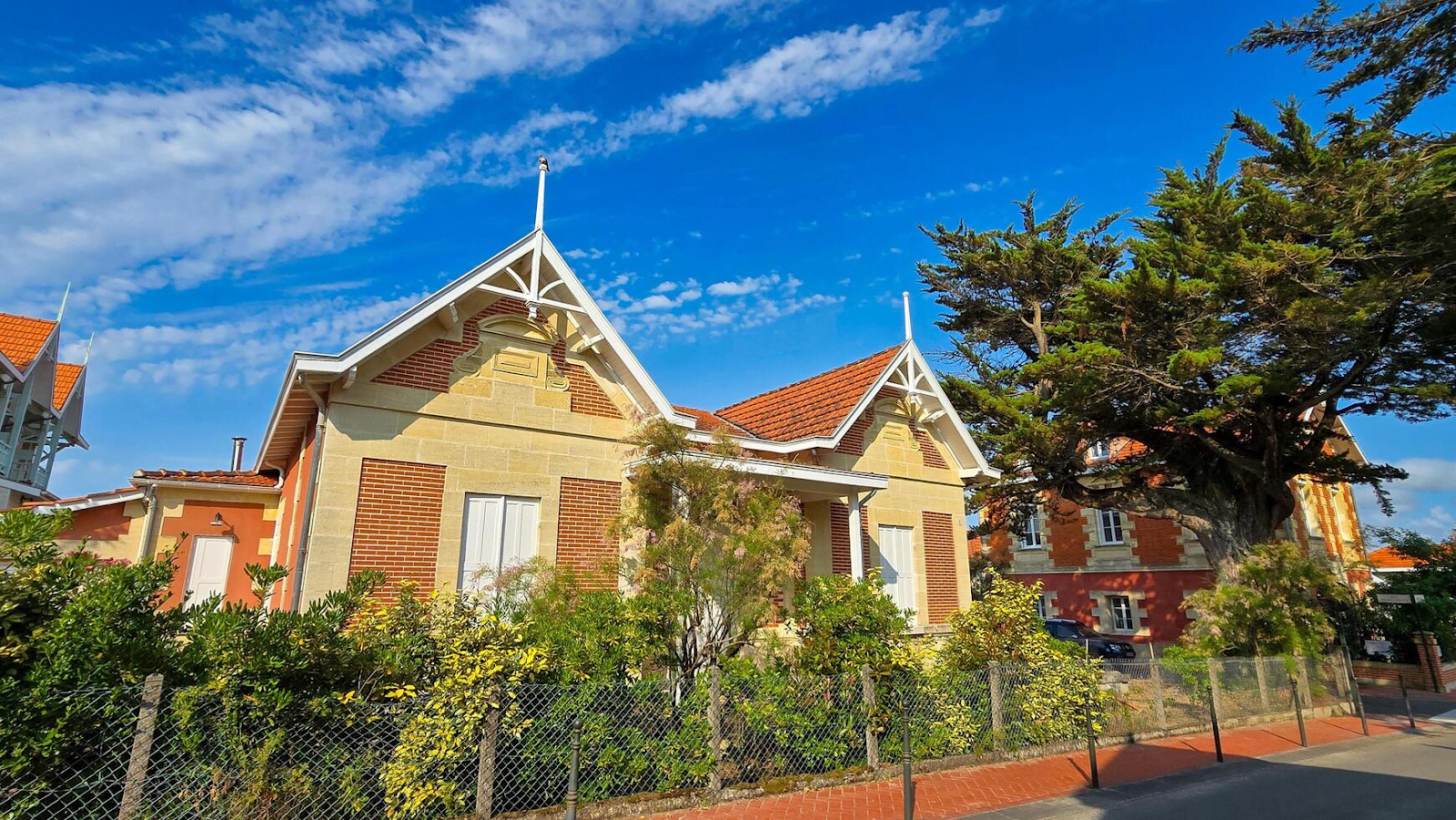
While we like to keep things rational, aesthetics play a major role. A neighborhood with a consistent architectural style, lots of trees and characteristic facades evokes an emotional response. In today's visual culture, locations that are “photogenic” have an advantage. This not only attracts residents, but also entrepreneurs in the higher segment, which further reinforces the appeal of the neighborhood.
Growth potential: The sum of location
Home value is not static; it is the result of how an environment responds to the needs of modern people. The most valuable regions are the places where economic opportunities, social services and physical safety seamlessly come together.
When you invest in real estate, you're actually buying a share in a neighborhood's future. The neighborhoods that today give priority to sustainability, accessibility and quality of life are the locations that will offer the highest return and the most joy of living in 2036.