February 5, 2026
Why are older houses cheaper to buy?
15/5/2022
February 5, 2026
February 5, 2026

In the search for your own home in 2026, a trend is immediately noticeable: those who look at a characteristic building from the 1930s or a workers' home from the 1950s often see a lower asking price than a shiny new construction project or a house built after 2010. At first glance, this seems like a great opportunity. After all, you get more square meters or a better location for less money.
However, in the housing market, there is seldom a “free lunch”. The lower purchase price of older homes is no coincidence, but a reflection of the hidden costs, risks and changing requirements that modern society places on real estate. To understand why these homes seem “cheaper”, we need to look at the total cost of ownership, the state of construction, and today's stricter regulations.
The “Energy gap” and the Affordable rent act
The main reason for the price difference in 2026 is undoubtedly the energy label. In the past, a label was just a formality, but today it directly determines the market value.
- Insulation costs: Older houses were often built at a time when energy was cheap and insulation barely existed. Cavity walls are often missing, roofs are not insulated and there is only glass in the frames. To bring a 1950 home to the comfort level of 2026, an investment of €50,000 to €80,000 is often required. The market directly discounts these future costs into the asking price.
- Mortgage standards: Banks have become stricter. For a home with a poor energy label (E, F or G), you can often borrow less in 2026, or you will only receive full financing if you are obliged to spend part of the loan on sustainability. This limits the group of potential buyers, which reduces the price.
Overdue maintenance and wear
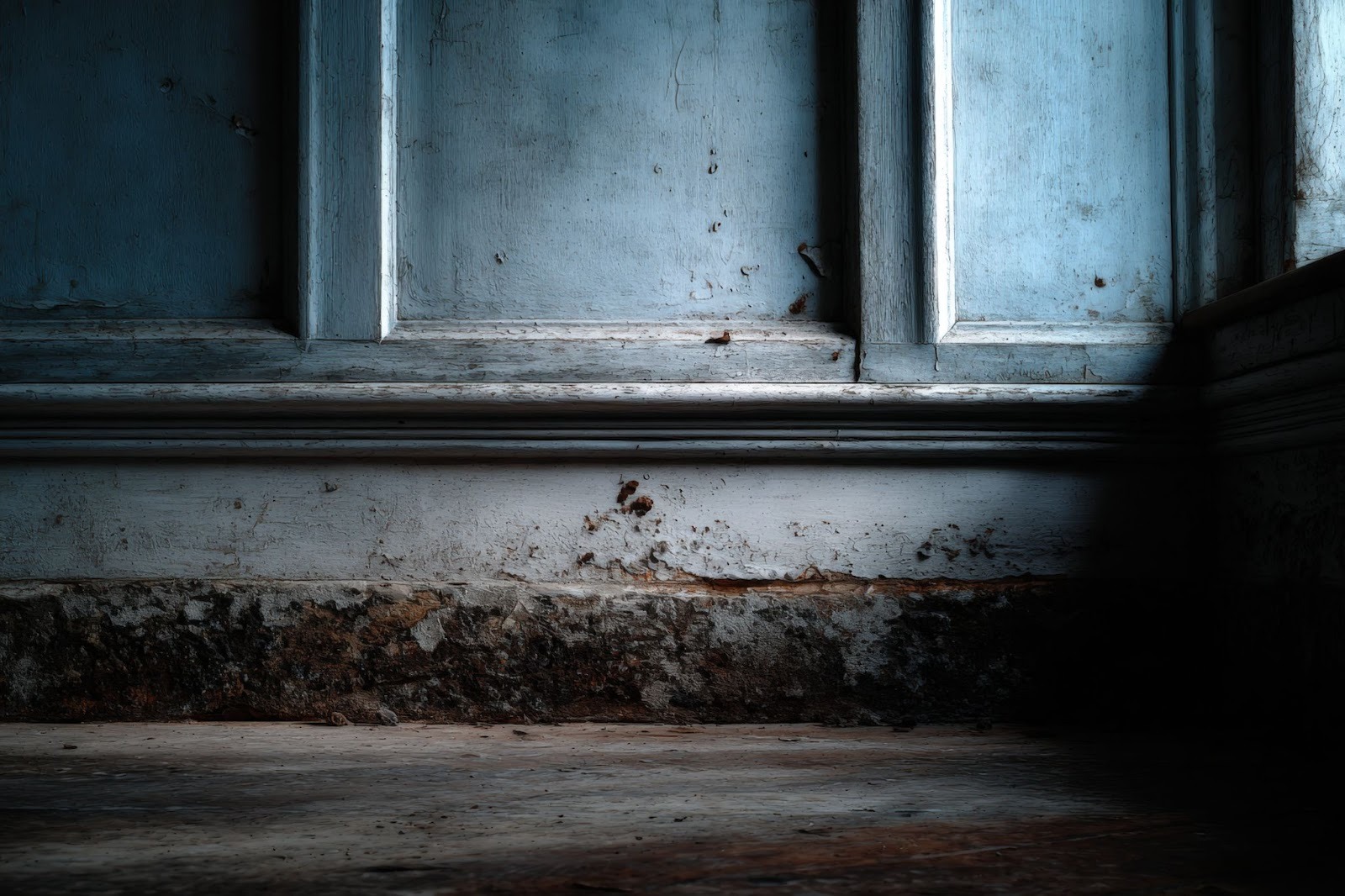
A house is a living organism that wears out. In a sixty-year-old home, certain elements are simply at the end of their technical lifespan, even if the house looks “tidy” at first glance.
- Invisible flaws: Think of outdated electrical wiring (often still without RCDs), lead water pipes or grass pipes in the sewer that are about to collapse. Replacing these types of vital systems is labour-intensive and expensive.
- The foundation: Especially in cities such as Amsterdam, Rotterdam and Dordrecht, older buildings face foundation problems due to plague or a falling groundwater level. A foundation repair can easily cost €100,000. Buyers include this risk in their bid, which lowers the average price of older buildings.
Layout and functionality
The way we live has changed radically over the past decades. Older houses are often built with a layout that no longer meets the needs of the modern resident.
- Small rooms and cubicles: Where we now love open kitchens and large living areas, houses used to be divided into small, enclosed rooms to better retain heat. Breaking walls often requires expensive structural adjustments with steel beams.
- Lack of storage space and sanitary facilities: Older homes often have a tiny bathroom and no space for a washing machine or a heat pump installation. The costs of modernizing and expanding these spaces lower the initial purchase price.
The regulations and asbestos
Houses built between 1950 and 1994 often contain asbestos in roofs, chimneys or floor coverings. In 2026, the regulations concerning asbestos removal will be extremely strict. Remediation of asbestos is a costly task that can only be carried out by certified companies. Because buyers know that they will incur these costs in a future renovation, this reduces the current value of the property.
The relationship between land and buildings
Sometimes an older house is cheaper because the value is almost entirely in the ground and the “building” (the house itself) is seen by the market as worthless or even a burden. In some cases, the asking price is based on the value of the lot minus the demolition costs of the old home. In the case of new construction, on the other hand, you pay for the latest materials, the most modern techniques and the contractor's warranty, which drives up the price per square meter.
The trade-off: Is an older home a smart buy?
The fact that older homes often have a lower purchase price doesn't mean they're always more cost-effective. It's essentially a shift in capital: with new construction, you pay the bank the full price through your mortgage, while with older homes, you spread the “full price” across the contractor, plumber, and energy bill.
Yet, the charm of a characterful building remains irresistible to many. The high ceilings and historic location qualities are rarely matched in new construction projects. Moreover, the lower starting price offers a unique opportunity for buyers on a tighter budget who are willing to roll up their sleeves and build their home and wealth step by step.
Golden tip: Always have an architectural inspection carried out on an older house and specifically ask for an asbestos and foundation check. Only then will you know whether the lower price is a real bargain or a financial pitfall.