February 8, 2026
Which schools are available for expat families?
9/7/2023
February 8, 2026
February 8, 2026

For international families moving to the Netherlands, choosing the right school is often the most important decision in the relocation process. In 2026, the Dutch education landscape will be more diverse than ever, with a wide range of options that range from fully international private schools to government-funded international departments and bilingual regular education. The choice depends not only on the budget, but above all on the expected length of stay, the children's language skills and the family's future plans.
The Netherlands is known for its high quality of education, but the system can seem complex for newcomers. In this article, we'll analyze the different types of schools available for expat families in 2026 and what to look for when choosing.
Internationally Oriented Education (IGO)
The most popular choice for expats staying in the Netherlands for a period of three to five years are the schools for Internationally Oriented Education. These schools are partly subsidized by the Dutch government, which means that school fees are significantly lower than fully private schools.
In 2026, the costs for IGO schools will average between €4,500 and €6,500 per year per child. These schools usually follow the International Baccalaureate (IB) curriculum or the International Primary Curriculum (IPC). The big advantage of IGO schools is that they are specifically designed for a mobile population; a lot of attention is paid to the socio-emotional aspects of moving and the main language is English. Common examples include the International School of Amsterdam (ISA) departments and the international schools in The Hague, Eindhoven and Utrecht.
Private international schools
For families looking for a specific national background or a very exclusive learning environment, there are the unsubsidized private schools. In 2026, we will see an increasing demand for this type of education in major cities.
These schools receive no support from the Dutch government, resulting in school fees ranging from €15,000 to €28,000 per year. This includes:
- The British School in the Netherlands (BSN): With campuses in and around The Hague, this school follows the British curriculum (GCSE/a-levels).
- The American School of the Hague (ASH): Ideal for families who are looking for a close connection to the American education system.
- Lycée Français & international deutsche schule: Specifically focused on the French and German communities in the Netherlands, following the mother country's national curriculum.

Dutch state education with NT2 guidance
If a family plans to settle permanently in the Netherlands, regular Dutch state education is often the best option. In 2026, this education will be free for everyone (except for a voluntary parental contribution) and will offer the fastest way to integration.
There are special courses for children who don't speak the language yet. Primary children often go to a newcomer class or language school, where they learn Dutch intensively in one year before they enter a regular class. For secondary school students, there is the International Transition Class (ISK). In 2026, the quality of these transition processes will be high, and many expat children will successfully advance to VWO or HAVO after one year. The big advantage is that children make friends in the neighborhood, which speeds up the social landing of the whole family.
Bilingual Education (TTO)
A growing phenomenon in 2026 is bilingual education in regular Dutch schools. This is particularly interesting for older children who already have a basis in Dutch or are very fluent in languages.
At TTO schools, 50% to 70% of the courses are taught in English (such as history, geography and gym), while the other subjects are in Dutch. This type of education prepares students for an international future, while remaining deeply rooted in Dutch society. For expatriate families from the EU, this is often an attractive “middle ground” that keeps costs low but ensures international standards.
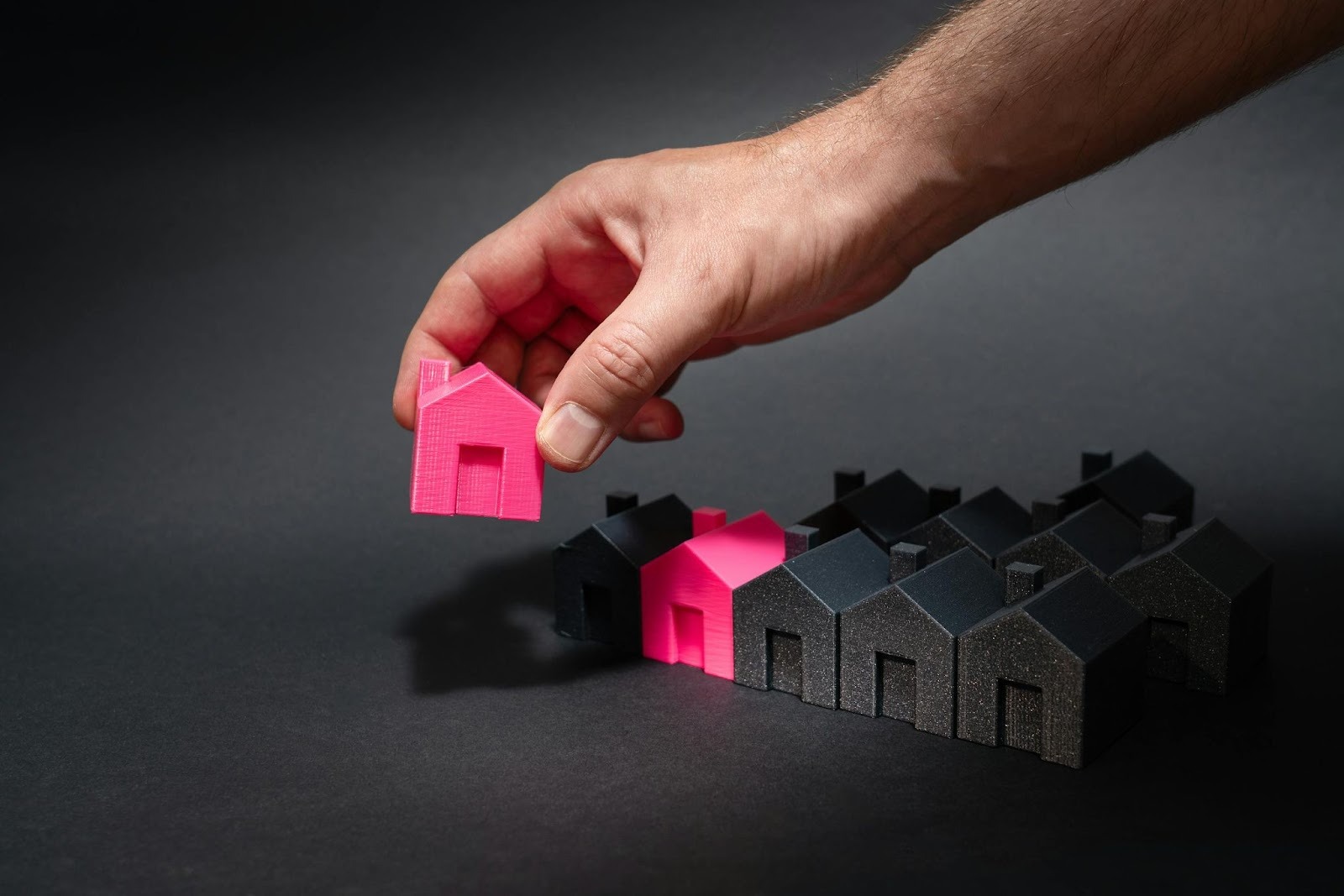
Location and choice of residence: The school as anchor
In the 2026 housing market, the location of the school often determines the choice of housing for expats. In regions such as Amstelveen, the Archipelbuurt in The Hague and Hilversum, the concentration of international schools is so high that these neighborhoods are almost entirely equipped for expat families.
Please note the waiting lists when registering. In 2026, many subsidized international schools in the Randstad will face a shortage of places. It is not unusual for families to first secure the school space before signing a rental contract for a home. Some schools use admission criteria, giving priority to families who have been in the Netherlands for less than five years, to guarantee the flow of real “expats”.
Higher education: The university hubs
For families with teenagers who are about to go to college, the Netherlands will be a paradise in 2026. Almost all Dutch universities offer a wide range of English-language bachelor and master courses.
Cities such as Leiden, Delft, Groningen and Maastricht attract students from all over the world. The Dutch university system will be recognized worldwide for its problem-based teaching in 2026. For expat children who finish high school in the Netherlands (with an IB diploma or VWO), moving to a Dutch university is often a logical and relatively economical next step, compared to the high tuition fees in the US or the UK.
Choosing a school in 2026 is more than an educational decision; it's a lifestyle choice. Whether you choose the security of an international bubble or fully immerse yourself in Dutch culture, the range is wide enough to find a suitable place for every child.