February 8, 2026
Which neighborhoods welcome foreigners?
27/6/2023
February 8, 2026
February 8, 2026

In the Netherlands in 2026, the housing market is more international than ever. For foreigners who settle here, whether they are highly skilled migrants, international students or diplomats, choosing the right neighborhood is essential for a soft landing. Although the Dutch are generally open to newcomers, there are specific neighborhoods that will be known as real “global hubs” in 2026. These are neighborhoods where English is the unofficial language, where international schools are around the corner, and where a diverse community provides an immediate sense of home.
Finding a neighborhood that welcomes foreigners goes beyond tolerance; it's about having facilities that make life easier for a newcomer. In this article, we explore the most hospitable neighborhoods in major Dutch cities in 2026.
Amsterdam: The cosmopolitan melting pot
Amsterdam will remain the undisputed favorite for internationals in 2026. Almost half of the residents have a migration background, making the city one of the most diverse places in the world.
- The pipe: This neighborhood is known for its vibrant energy and multiculturalism. The proximity to the Albert Cuyp market and countless international eateries makes it a magnet for young foreign professionals. In 2026, De Pijp will still be the place where you can start a conversation in English more quickly than in Dutch.
- Old South: For families and wealthy expats, Oud-Zuid is the standard. Here you will find stately homes near the Vondelpark and a high concentration of international schools. It is a neighborhood where the infrastructure is fully adapted to an international audience.
- Amsterdam-north: In 2026, Noord has finally established itself as the place for “creative internationals”. With modern apartments on the IJ and a raw, industrial edge, it attracts many foreigners who work in the tech and design sectors.
The Hague: Diplomacy and international allure
As the “international city of peace and justice”, The Hague will host more than 150 international organizations in 2026. This has left a deep mark on the neighborhoods in the city.
- Statenkwartier: Located between the dunes and the center, this is the classic expat neighborhood. The architecture is beautiful and the atmosphere is distinguished. Many diplomats and staff from organizations such as Europol and the International Criminal Court live here, which makes for a very welcome and safe environment for foreigners.
- Zeeheldenkwartier: For those who prefer a more bohemian and artistic atmosphere, the Zeeheldenkwartier is the ideal place in 2026. It is one of the oldest neighborhoods in The Hague and is extremely popular with international students and young entrepreneurs because of its many independent shops and cafes.
- Archipel neighborhood: A quiet, green neighborhood with a lot of international allure. The residents are used to the coming and going of international guests, which makes for a very open and hospitable attitude towards foreigners.
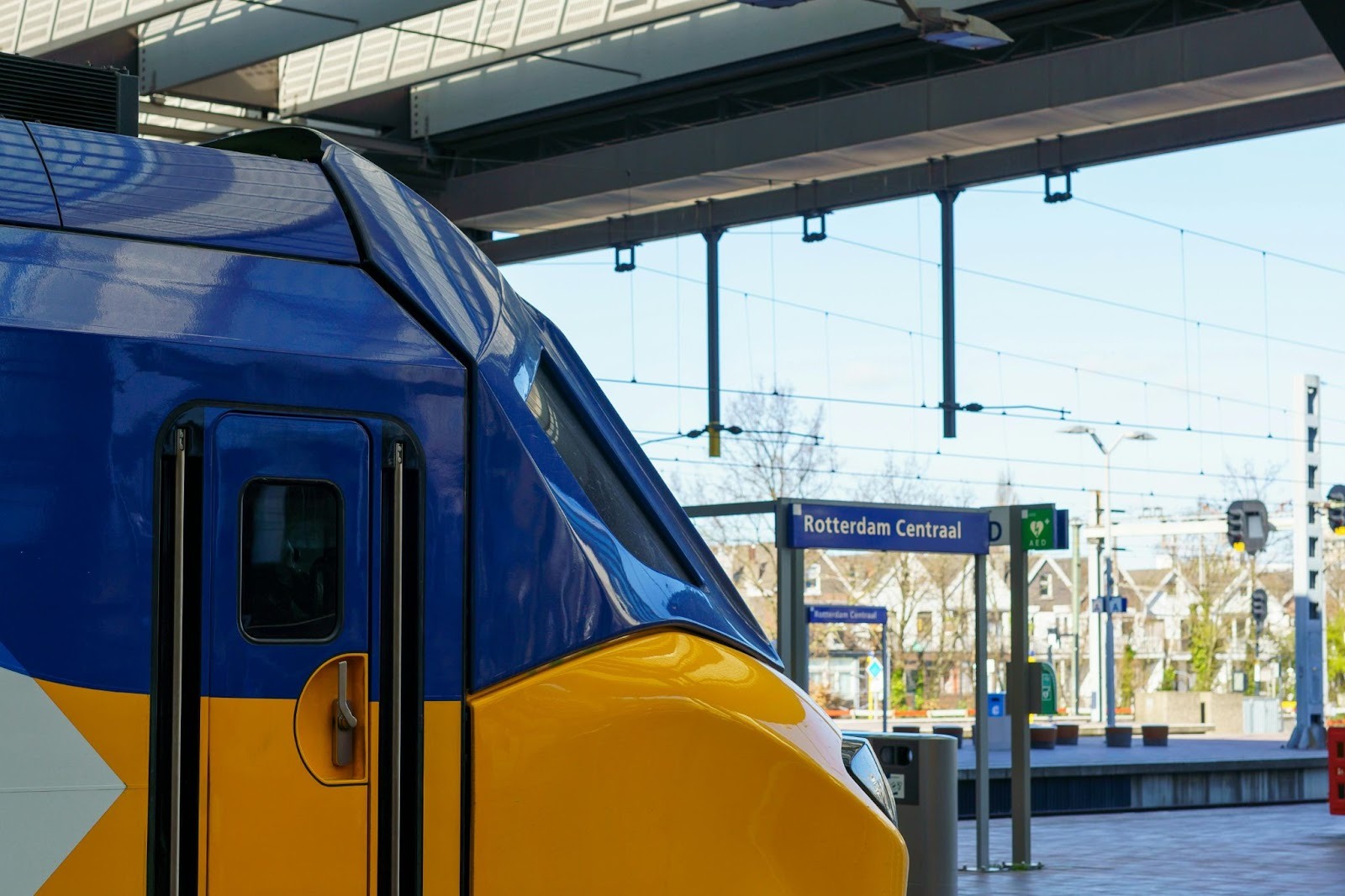
Rotterdam: Modernity and innovation
In 2026, Rotterdam is often referred to as the “city of the future”. Thanks to its modern architecture and huge port, the city has an unprecedented attraction for international specialists in logistics, tech and architecture.
- Kralingen: This has always been the district for the international elite and Erasmus University students. The mix of luxury villas and cozy student houses around the Kralingse Plas creates a dynamic and tolerant atmosphere.
- Head from the south: At the foot of the Erasmus Bridge, you'll find this ultra-modern neighborhood. The skyscrapers offer internationals the urban living experience they know from cities such as New York or London. In 2026, this will be a neighborhood where diversity is the norm, simply because almost everyone here comes from elsewhere.
- Delfshaven: For those looking for history and authenticity, Delfshaven is a warm place. It is a melting pot of cultures where foreigners quickly feel at home because of the accessible atmosphere and local markets.
Utrecht: Central and charming
Often called “little Amsterdam” in 2026, Utrecht attracts many internationals looking for Dutch charm without the capital's extreme hustle and bustle.
- Lombok: This lively neighborhood is located directly behind Central Station. Lombok is the definition of an inclusive neighborhood. The Kanaalstraat offers a range of international products and, in 2026, the district will be a textbook example of how different cultures live harmoniously together.
- White women: A very popular neighborhood among foreign academics and young families. The atmosphere is village and friendly, but the proximity to the university creates an intellectual and international dynamic.
- Leidsche Rijn: For those looking for more space and new construction, this is the place. By 2026, thousands of international families will live here, benefiting from excellent connections and modern facilities, including major international schools.
Eindhoven: The technological heart
Eindhoven, also known as the “Brainport”, will be Europe's Silicon Valley in 2026. Here, the main language on the street in many neighborhoods is English more often than Dutch, thanks to the enormous growth of companies such as ASML.
- Wyck (Maastricht/Eindhoven region): Although Wyck is officially located in Maastricht, the entire region will be seen as one technological ecosystem by 2026. In Eindhoven itself, the neighborhood is Strijp-S the place for internationals. This former Philips site has been transformed into a hip residential and business district where innovation and foreign talent are key.
- Geldrop-mierlo & meerhoven: These areas on the edge of Eindhoven are specifically designed for the arrival of foreign knowledge workers. With international sports clubs and schools, the threshold for integrating here as a foreigner is very low.
Amstelveen and wassenaar: The “Expat enclaves”
Some places outside major cities are so geared towards foreigners that they will almost have their own international status by 2026.
Amstelveen is known worldwide for its large Japanese and Indian communities. The Westwijk district is a good example of this; supermarkets sell products here that you won't find anywhere else in the Netherlands, and the municipal services are fully bilingual. Wassenaar will remain the favorite for the international top in 2026, with neighborhoods where privacy and luxury are combined with a highly international social circle.
The most hospitable neighborhoods in 2026 are those where residents understand that an international community is enriching the city. Whether you choose the historic canals of Utrecht or the skyscrapers of Rotterdam, in 2026, the Netherlands will offer every foreigner a place where “home” is not just an address, but a feeling.