February 5, 2026
When do you need to have an architectural inspection carried out? The Essential Guide to 2026
4/7/2022
February 6, 2026
February 6, 2026

The year 2026 has set a new standard in the Dutch housing market. Where a few years ago we outbid in a blind panic without any conditions, today's buyer has become a lot more critical. The focus has moved from mere aesthetics to structural integrity and energetic performance. One of the most important tools in your toolbox as a buyer is the architectural inspection.
But when do you use this instrument? Is it the end of the negotiations, or just the start? In a market where foundation issues due to fluctuating groundwater levels and complex sustainability requirements prevail, the timing of your inspection is crucial for your financial health.
The architectural inspection in 2026: More than just bricks
In the past, an inspector mainly looked at rotten frames and leaking roofs. In 2026, the range of tasks was expanded. The modern inspector also assesses the potential for a heat pump, the state of the insulation in relation to the new EU standards and the stability of the foundation.
1. Before making a final bid
In the current 2026 market, we see a trend: the attendance test. An inspector will accompany you during the second viewing.
- Advantage: You know exactly what you're buying before you commit. This gives you a huge advantage during negotiations.
- Risk: You incur costs (often around €350 - €500) for a home that you may not get.
2. As a resolutive condition in the purchase contract
This is the most popular route. You submit a bid subject to an architectural inspection. You hereby agree on a recovery amount (for example €5,000). If the report shows that the immediate repair work exceeds this amount, you have the right to cancel or renegotiate the purchase free of charge.
Important tip: In 2026, sellers almost always accept a reservation for an inspection, provided that the period is short (maximum 5 business days). Make sure you already have the inspector on standby before you make the bid.
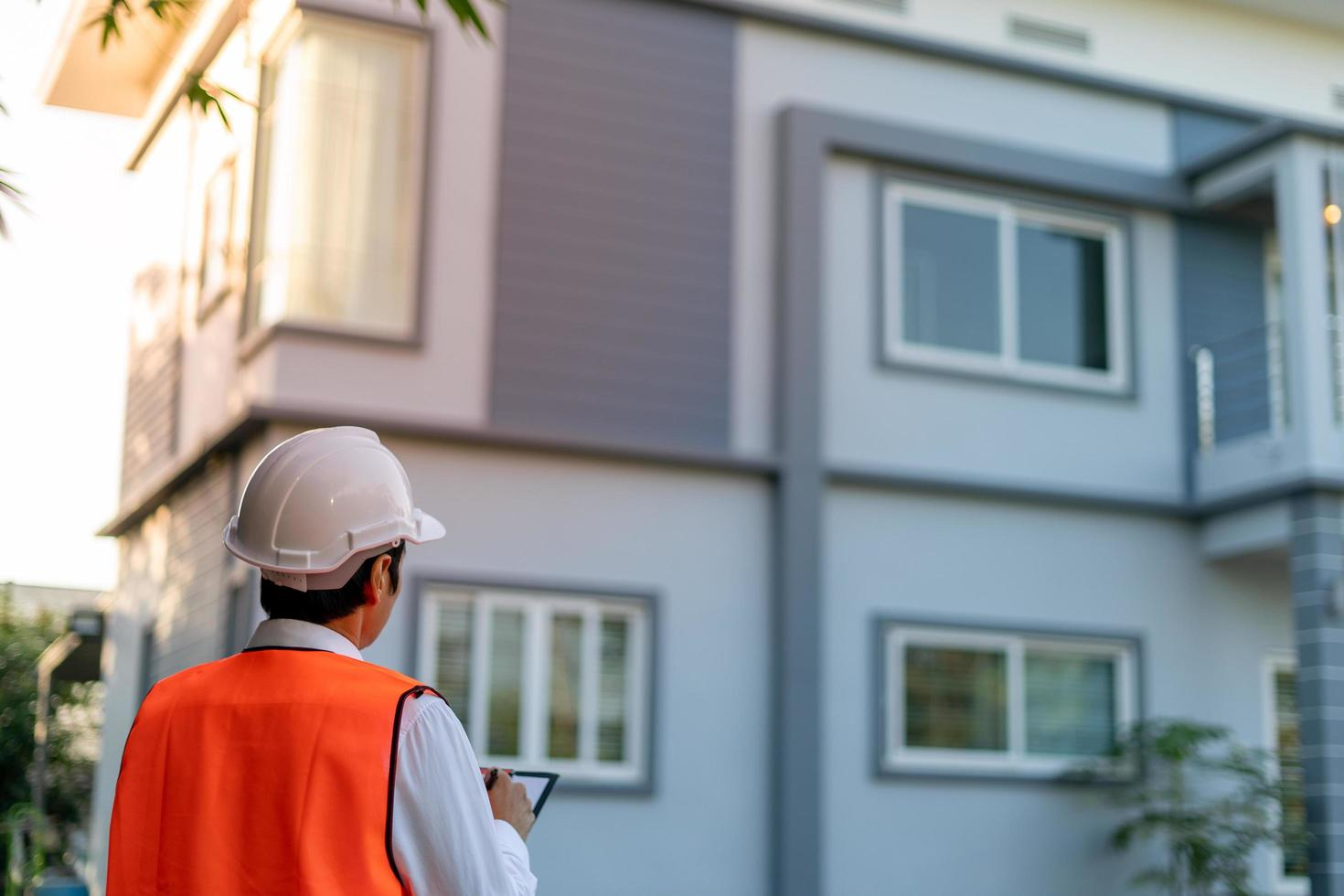
Crucial moments: When is an inspection essential?
For homes built before 1990
Although many homes have now been renovated, older houses remain risky. In 2026, we will see that foundation repair has become one of the biggest costs. An inspection can warn of subsidence in time based on crack formation and ribbon joint measurements.
For homes with a low energy label (E, F, G)
Banks will be extremely strict in 2026. A low energy label often means that you are obliged to become more sustainable within two years. Here, the architectural inspection serves as the basis for your sustainability plan. The inspector can assess whether the current shell of the home is suitable for a high-temperature or low-temperature heating system.
When the seller does not have a “Questionnaire part b”
If a seller has never occupied the home himself (for example, with an inheritance or investment property), a non-occupancy clause often applies. The seller is then not liable for defects that he was not aware of. In this case, an inspection is your only real protection.
Costs versus benefits in 2026
Many first-time buyers are uncertain about the costs of a property inspection, especially because other buyer-related expenses such as valuations and mortgage advice have also increased. A standard building inspection typically costs between €500 and €700 in 2026. Although this may seem like an extra expense during the purchase process, it can help prevent buying a property with hidden defects that could later require repairs costing tens of thousands of euros.
Additional specialized inspections may also be useful depending on the property. Foundation research carried out by a specialist can cost roughly €1,200 to €2,500, but it protects buyers from structural issues that may require repairs exceeding €60,000. An asbestos inventory generally costs around €400 and is particularly important for homes built before modern regulations, especially if renovation plans are involved. Some comprehensive or luxury inspections also include energy label validation, which can be valuable because a verified energy label may improve borrowing capacity with certain lenders.
What if flaws come to the fore?
A report full of red circles does not necessarily mean that you should cancel the sale. In 2026, smart buyers will use the report as a negotiation tool.
- Renegotiate the price: If €10,000 in overdue maintenance is found that was not visible during the viewing, it is reasonable to deduct (part) of this amount from the purchase price.
- Repair requirement: You can ask the seller to repair the defects before handing over. Always have this checked during the final inspection.
- Depository at the notary: In case of doubt about the execution of the repair, part of the purchase price can be kept in deposit with the notary until the defect has been remedied.

The role of the bank and NHG in 2026
Did you know that the National Mortgage Guarantee (NHG) and many banks require an architectural inspection if the appraiser states that the repair costs exceed 10% of the market value? In 2026, the link between the valuation report and the architectural inspection will be stronger than ever. Without a conclusive technical report, you simply cannot secure the financing if there are doubts about the condition of the property.
Practical step-by-step plan for timing
To get the most out of your inspection, follow this timeline:
- Step 1 (Orientation): During the first viewing, ask about known defects and the condition of the foundation.
- Step 2 (Bid): Make your bid subject to an architectural inspection with a specific amount for immediate repair.
- Step 3 (Planning): Schedule the inspection in the legal cooling-off period of three days (if possible) or immediately afterwards.
- Step 4 (Attendance): Make sure you are present at the inspection yourself. The inspector often explains more orally than is stated in the final dry report.
- Step 5 (Evaluation): Discuss the report with your buying agent. Is the home still worth the investment?
The essentials
When do you need to have an architectural inspection carried out? The short answer is: always, unless you buy a brand-new home with a full warranty (and even then, a completion inspection is recommended). In the complex market of 2026, inspection is no longer an option, but a necessary insurance against financial disaster.
The ideal timing is immediately after acceptance of your bid, within the period of your resolutive terms. This way, you comply with your research obligation and you are legally and financially strong.