February 5, 2026
What do you need to ask during a viewing? The ultimate checklist for 2026
25/5/2022
February 5, 2026
February 5, 2026

A viewing is much more than walking around a beautiful house and seeing if your sofa fits in the living room. In the current Dutch housing market, where prices are high and sustainability requirements are strict, a viewing is a critical moment of investigation. As a buyer, you have a legal obligation to investigate, and the questions you ask the sales agent are your most important tool for unmasking hidden defects and future costs.
Many buyers are guided by emotion during a viewing, but to prevent a bad buy, you have to work as a detective. Below is an overview of the most crucial questions to ask, divided into categories that really matter in 2026.
The condition of the home and maintenance
Start with the basics. You want to know the technical condition of the building, so you won't be surprised when you get the key.
- How old are the main installations? Ask specifically about the boiler, the meter cabinet and any mechanical ventilation or heat pump. If a boiler is older than 12 years, you should expect to replace it in the short term.
- What is the condition of the roof and walls? Has the roof ever been renewed or insulated? Have there been signs of leakage in the past?
- When was the last time the exterior was painted? This gives a good idea of how the current owner has dealt with the home. Good paintwork protects the wood against rot; if neglected, the costs add up quickly.
- Have there been any known defects or leaks? The sales agent has an obligation to provide information. If you ask specifically, they should answer honestly about issues such as rising damp or a leaking dormer window.
Sustainability and energy costs
In 2026, the energy label will be almost as important as the location. A house with a bad label can cost you hundreds of euros extra each month.
- What is the residents' current energy consumption? Ask for the monthly instalments for gas and electricity. In doing so, take into account the family composition of the current residents compared to yours.
- What insulation measures have been taken? Is there double glazing (HR++ or triple glazing), floor insulation or cavity wall insulation? In older homes, this is crucial for your comfort and your wallet.
- Are there options for solar panels or a heat pump? Sometimes roofs are not suitable for solar panels (due to shade or construction) or the house is not yet ready for a heat pump.
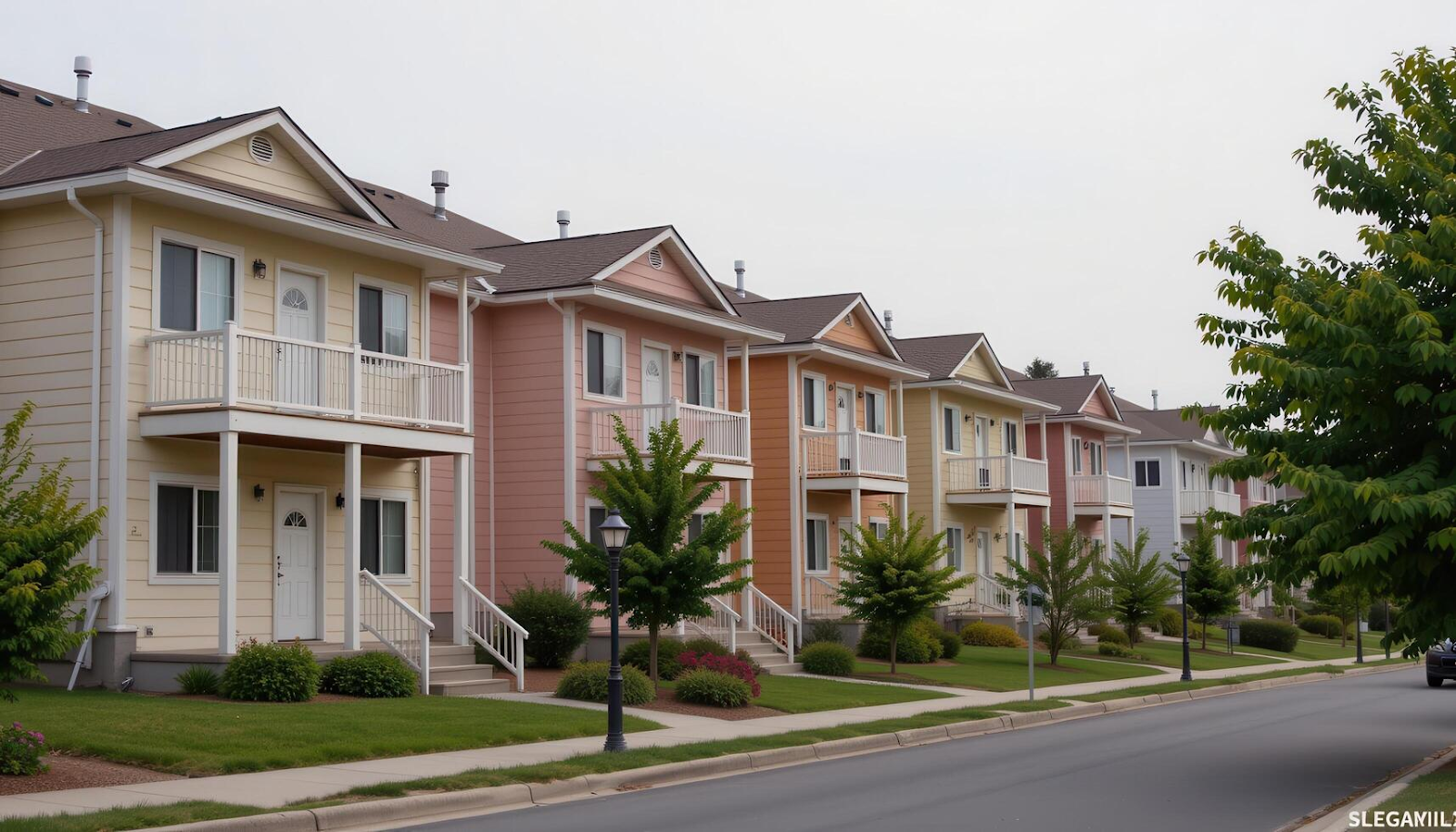
The Owners Association (VvE) - Bij appartementen
Are you buying an apartment? Then you will automatically become a member of the VvE. This involves responsibilities and costs that you need to be aware of beforehand.
- How high is the monthly VvE contribution? And what exactly is included in this price (insurance, maintenance, cleaning)?
- Is there a Multi-Year Maintenance Plan (MJOP)? Ask if major projects are planned, such as a new roof or façade renovation. If the VvE has not saved enough, a one-off additional contribution may be requested from residents.
- How much is in the reserve fund? A healthy VvE has a substantial amount of money in the bank for unforeseen costs.
The neighborhood and surroundings
You're not just buying a house, you're also buying a place in a neighborhood. The environment largely determines your enjoyment of living.
- Why are the current owners leaving? This is a classic question. Sometimes the reason is innocent (family expansion), but sometimes it reveals something about nuisance from neighbours or changes in the neighborhood.
- What's the neighborhood like and who lives next door? Are they families, students or elderly people? Also ask about the parking situation: is there a waiting list for a permit?
- Are there zoning plans for the vicinity? Will that unobstructed view at the back be built with an apartment complex next year? The broker should know this or you can check it via the municipality.

Sales and negotiation
To determine your bid strategy, you need to know what the seller's flag is.
- How much interest is there already in the house? How many viewings are planned and have bids already been placed? Although real estate agents do not always speak their mind, the hustle and bustle during the viewing is often indicative.
- What is the sellers' preferred delivery date? Sometimes a seller is willing to accept a lower offer if you are willing to take over the key in three months (or just nine months).
- Are there movable property that is being offered for takeover? Think about the floor, curtains, or that specific American fridge. This can affect your overall budget.
Checklist: What to bring and do
In addition to asking questions, you should also pay close attention yourself during the thirty to fifty minutes you usually get.
- Use your senses: Do you smell stale air in the basement? Do you see circles on the ceiling (leakage)? Do you hear a lot of ambient noise when the windows are closed?
- Take photos and videos: After three visits, houses start to look alike in your head. Videos help you to review details later, such as the condition of the frames or the layout of the meter cabinet.
- Check out the “List of cases”: As you walk around, ask what exactly is left behind. That beautiful design radiator may well go along with the current owner.
The critical eye: Don't be afraid to be 'difficult'
The sales agent represents the seller's interests, not yours. Their job is to present the home in the best light; it's your job to see through the commercial presentation. By asking the right, sharp questions, you position yourself as a serious and well-prepared buyer. This commands respect and ensures that you have all the essential information to make a responsible bid.