February 7, 2026
What do buyers need to know about Tilburg?
31/10/2022
February 7, 2026
February 7, 2026

Tilburg permanently shrugged off the label of Brabant's “ugly duckling” in 2026. While cities such as Eindhoven and Breda have dominated the headlines in recent years with explosive price increases, Tilburg has quietly developed into the go-to place for buyers looking for urban dynamism, Brabant coziness and, crucially, a still relatively accessible housing market.
But in 2026, the Tilburg market will no longer be what it was five years ago. The city is growing rapidly, the Spoorzone has been transformed and prices are moving in line with the national trend. For those who want to buy a home in the “Textile City” in 2026, these are the essentials to know.
The 2026 figures: What does a house in Tilburg cost?
The housing market in Tilburg showed a steady growth in 2026. Although the extreme peaks of the early 1920s are behind us, prices continue to rise due to the region's continued tightness and popularity.
- Average transaction price: At the beginning of 2026, the average sales price of a home in Tilburg will be around €412,000. This means that the city is still considerably cheaper than the national average, which has now crossed the €500,000 mark.
- Price per square meter: Count on an average of around €4,100 per m². However, this varies greatly: in popular neighborhoods such as the Armhoef or the Piushaven, this amount easily rises to €5,000, while you can often succeed below €3,500 in North or West.
- Overbid: In 2026, overbidding is still the order of the day, especially among ready-to-move-in homes with a favourable energy label. On average, people sell around 4% to 6% above the list price in Tilburg.
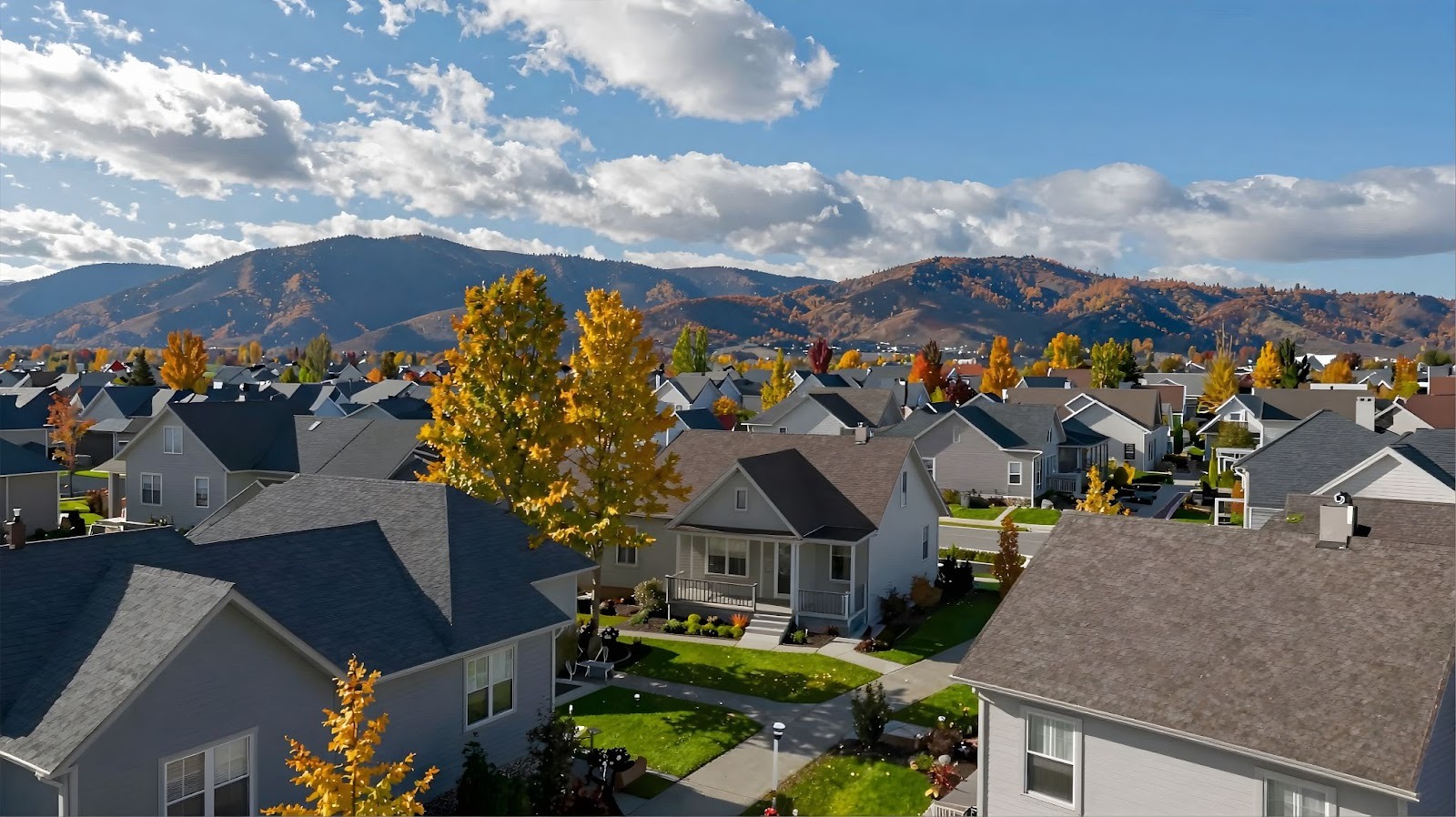
Popular neighborhoods and “Upcoming” areas
Tilburg is a city of neighborhoods with a very unique character. For buyers in 2026, these are the most notable locations:
The railway zone and the knowledge quarter
This is the beating heart of modern Tilburg. Where trains used to be repaired, there are now trendy residential towers and creative hubs.
- For whom: Young professionals and enthusiasts of an industrial-urban atmosphere.
- Buyer info: The prices here are high, but the stability of value is excellent due to the municipality's constant investments in public space.
The piusport
Living by the water will be the ultimate dream in Tilburg in 2026. With the recent completion of projects such as Spinaker in the first quarter of 2026, this area is almost 'finished'.
- Update 2026: A new transformation of the port is currently underway (phase 1 from 2026), with old complexes making way for more than 270 new homes. This remains a top location for those seeking luxury and vibrancy.
De Blaak and the reehof
For families, these neighborhoods remain the standard.
- De Blaak: Remains one of the most expensive neighborhoods (average value approx. €543,000) with lots of greenery and spacious lots.
- Reeshof: In 2026, the Reeshof will be more than just a Vinex neighborhood; due to mature vegetation and its own stations, it has become a city in itself where you still get a relatively large amount of “home” for your money.
Average property values by district in Tilburg (2026)
Property values in Tilburg vary depending on the district and the character of the neighbourhood. Stappegoor has an average property value of around €549,000 and is known for its focus on sport, education facilities, and modern residential developments. De Blaak follows closely with an average value of approximately €543,000 and is considered a green, quiet area that belongs to the higher segment of the housing market. Berkel-Enschot has an average property value of about €483,000 and offers a village-style living environment while still being located close to the city.
Other districts provide different price levels and atmospheres. Tilburg West generally has property prices between €280,000 and €350,000 and is seen as a more affordable and diverse area that is gradually developing. The Downtown area has property values starting from around €410,000 or more and offers a dynamic and compact urban lifestyle, although the price per square meter is typically higher due to the central location.
New construction and sustainability
In 2026, the energy label will be the most important factor for financing. Buyers in Tilburg should be keen on this.
- Funding advantage: With an A++++ energy label (often with new buildings in the Spoorzone or Piushaven), you can get extra borrowing capacity in 2026. Rabobank and ING specifically offer more favourable conditions for this.
- New build impulse: The municipality of Tilburg strives to deliver 2,000 new homes annually. In 2026, the focus will be on 'expansion': building within the existing city limits at locations such as the KennisKwartier and redevelopment locations in Tilburg North.
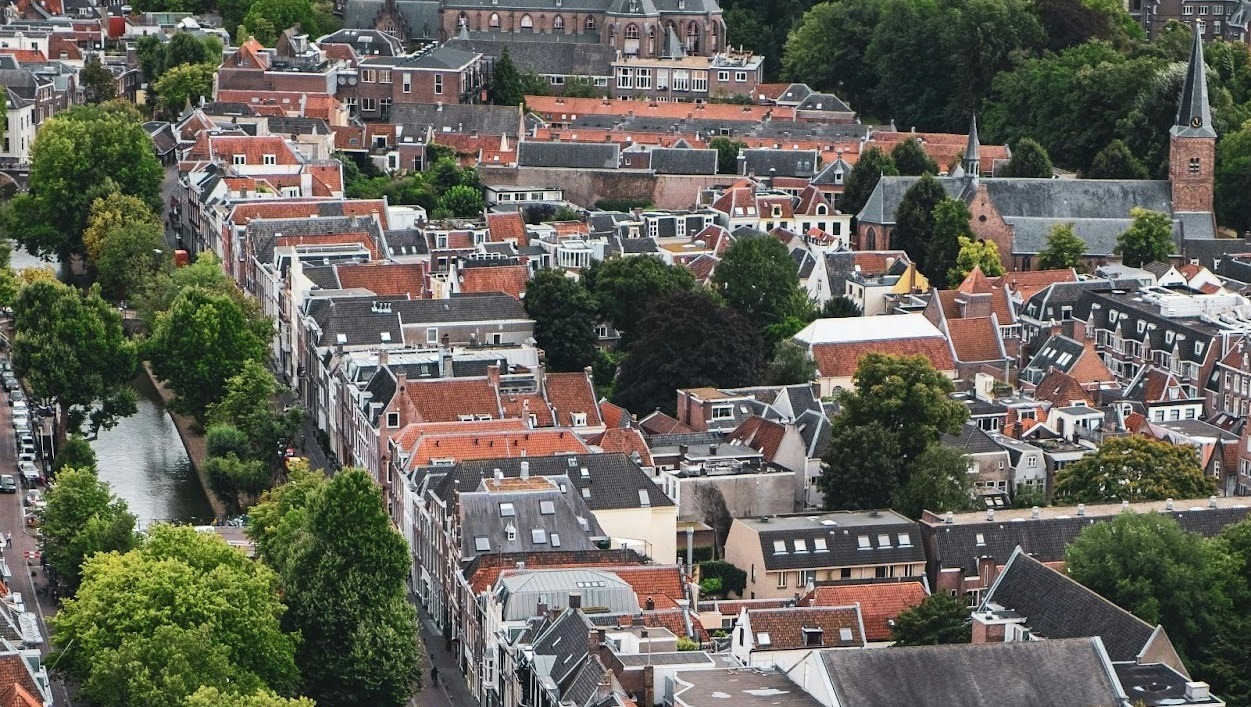
The “Expats and Eindhoven” factor
An important development for buyers in 2026 is the influence of the nearby Brainport region.
Due to the extreme tightness and sky-high prices in Eindhoven, more and more ASML employees and tech professionals are moving to Tilburg. This has an increasing effect on prices, especially in neighborhoods that are convenient to the A58 or Central Station. As a buyer, you are therefore not only competing with your neighbor, but also with the region's international labor market.
Smart tips for buyers in Tilburg (2026)
- Take a look at Tilburg West: Neighbourhoods such as the Wandelbos and Oud-Noord will receive additional investments from municipal vegetation for quality of life in 2026. Here are the places where you can still get in conveniently before prices overtake the rest of the city.
- Get ready for speed: Although the market is slightly quieter than in 2022, good houses are still being sold within 3 weeks. A local buying agent in Tilburg in 2026 is not a luxury, but a necessity to get between the violence of people moving on and expatriates.
- Note the WOZ: The average WOZ value in Tilburg has risen to approximately €325,000. Take into account the impact of this on your municipal charges, which were slightly adjusted in 2026 to finance investments in the city.
Last thought: Tilburg has grown up
Buying in Tilburg in 2026 means choosing a city in bloom. The raw, industrial image has been turned into a modern profile where culture (LocHal!) , innovation and Brabant's quality of life come together. The prices are serious, but compared to the rest of the Randstad and the Brainport region, Tilburg remains one of the most rational choices for those seeking high-quality urban living.
It is a city that is no longer waiting for the future, but is already experiencing it in 2026. For buyers, this is the opportunity to be part of a community that grows, innovates and still maintains its unique character.