February 8, 2026
What are your privacy rights when viewing?
2/9/2023
February 8, 2026
February 8, 2026

In the tight Dutch housing market of 2026, the pressure on home seekers and incumbent tenants is enormous. During the rental or sale process, viewings are a necessary part, but this is also the time when privacy rights often come under pressure. Whether you are the current resident who needs to open the home or a potential new tenant who is being screened, the General Data Protection Regulation (GDPR) and the right to the untouchability of the home offer you strict protection in 2026.
Privacy when viewing falls into two categories: the privacy of the occupant sitting and the data privacy of the viewer. In this article, we analyse the legal limits of what a landlord or broker can demand and where your rights begin.
The right of the incumbent tenant: No open house without permission
The most fundamental privacy right of an incumbent tenant is the right to enjoy undisturbed living. Although the law states that a tenant must cooperate with viewings for sale or new rentals (Article 7:203 of the Dutch Civil Code), this does not mean that the landlord has unlimited access.
In 2026, the rules for access to the home will be very strict:
- Permission is required: The landlord or broker may never enter the home without explicit permission from the tenant, not even with a spare key. If you do this, there is a breach of home peace.
- Reasonable times: Viewings must be announced well in advance (usually at least 48 hours) and must take place at reasonable times. The tenant is not obliged to open the house on Sundays or late in the evening.
- Number of visitors: The tenant may require that the number of viewers per round be limited to ensure the safety and privacy of their personal property.
Privacy of personal belongings during the round
During a viewing, the home remains the tenant's privacy. This means that viewers and brokers do not have the right to inspect everything just like that.
Viewers may view closets that belong to the home (such as built-in wardrobes), but they have nothing to do with the tenant's personal furniture, drawers, or records. In 2026, the landlord will be responsible for the behavior of the viewers. In practice, this means that the broker must supervise to prevent photos from being taken that show the current occupant's personal belongings, family portraits or valuables. Unsolicited photography of the interior of an occupied home is a serious violation of privacy.

Data privacy of the potential tenant (Screening)
For those who come to see a home, the privacy battle often starts before the appointment. In 2026, many brokers will try to collect as much data as possible beforehand to filter candidates. However, the GDPR sets clear limits to this via the principle of “minimal data processing”.
A landlord may not ask for a copy of your passport, your full payslip, or a bank statement when viewing for the first time. This is sensitive data that only becomes relevant when there is an actual intention to sign a contract. In 2026, it will be prohibited for hosts to do a “pre-screening” where candidates must upload their social security number or complete financial trading and walking just to get a time slot for a viewing. Only in the final phase of the selection may specific proof of income be requested.
The data protection authority and blacklists
A specific risk in 2026 is the use of (informal) blacklists by landlords. Some hosts try to gather information about a viewer's “behavior” or “reliability” during or after a viewing to share it in private groups.
This is strictly prohibited under the GDPR. Personal data about someone's behavior or reputation may not be processed without a legal basis. The Data Protection Authority (AP) will strictly supervise landlord platforms in 2026. As a viewer, you have the right to view: you can ask the landlord what information about you has been recorded and for what purpose. Will you be turned down after a viewing? Then you may ask on the basis of which objective criteria this happened, to rule out that unlawful personal characteristics were used.
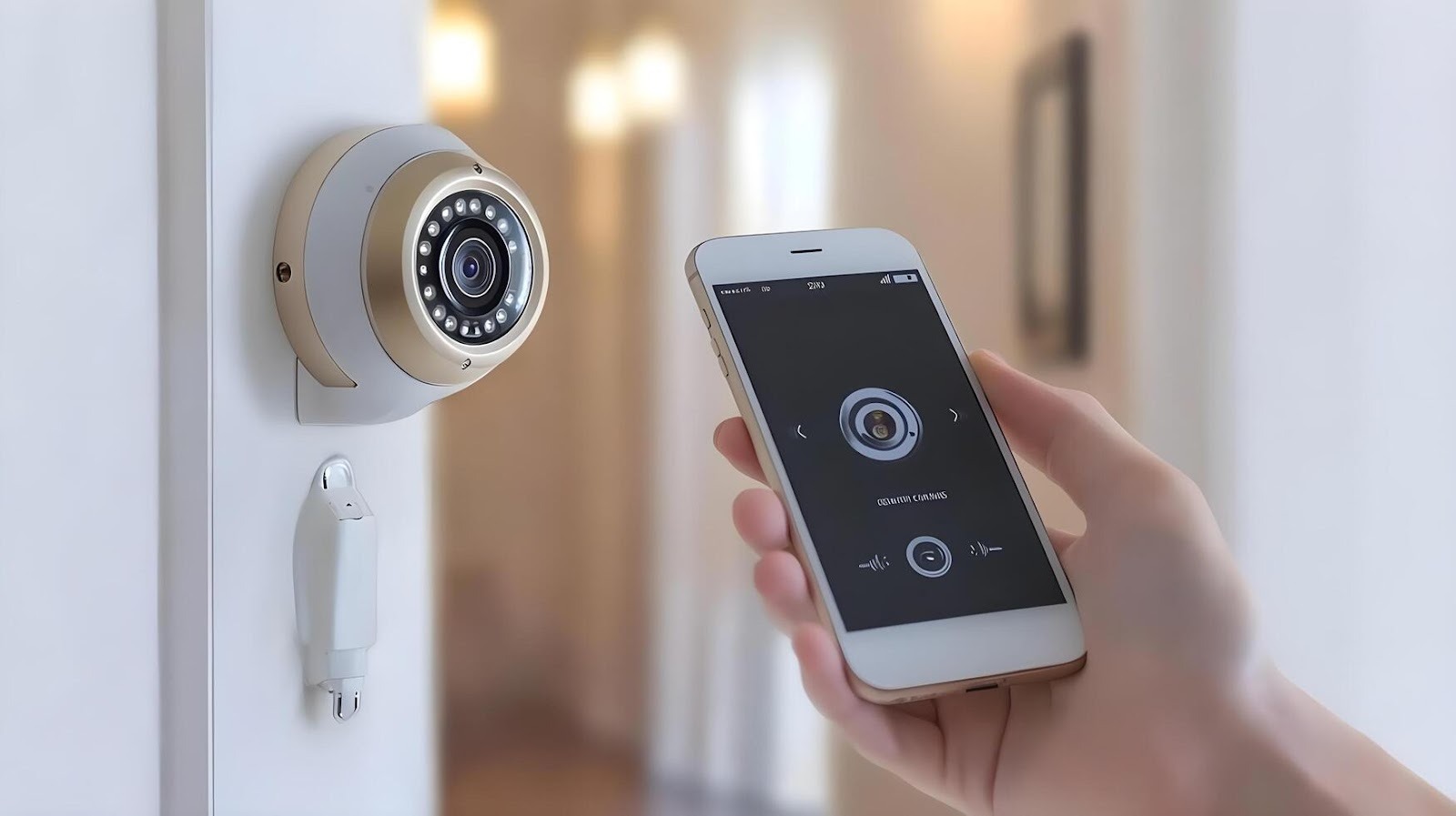
CCTV and smart doorbells
A relatively new privacy issue in 2026 is the presence of cameras during viewings. Both the current tenant and the landlord can have cameras installed (e.g. a Ring doorbell or indoor security cameras).
The rules here are twofold:
- The resident may have cameras in the home for security, but he must inform viewers about this in advance. Secretly recording conversations between viewers and the broker is a violation of visitors' privacy.
- The landlord must not have active cameras in an occupied home that spy on the tenant. During a viewing, the owner's cameras may not be used to secretly observe or profile the viewer without this being explicitly reported and there is an urgent need to do so.
Right to deletion (Oblivion)
After the viewing has taken place and the house has been rented out to someone else, the rejected candidates will have the 'right to be forgotten' in 2026.
Landlords and brokers are not allowed to keep the collected data (such as name, telephone number and email) indefinitely. Once the purpose of data processing (finding a tenant) has been achieved, the other candidates' data must be deleted within a reasonable period of time (usually four weeks), unless permission has been given to keep the data in a portfolio for future offers. This will be an important point of attention in 2026, because unnecessary data retention increases the risk of identity fraud.
Privacy when viewing is a balance between the landlord's business interests and the personal integrity of both the incumbent and the new candidate. In 2026, the law will provide the tools to monitor this balance, provided you know where to draw the line.