

February 5, 2026
“Sight unseen”: How to buy a home safely without a physical viewing
27/6/2022
February 6, 2026
February 6, 2026
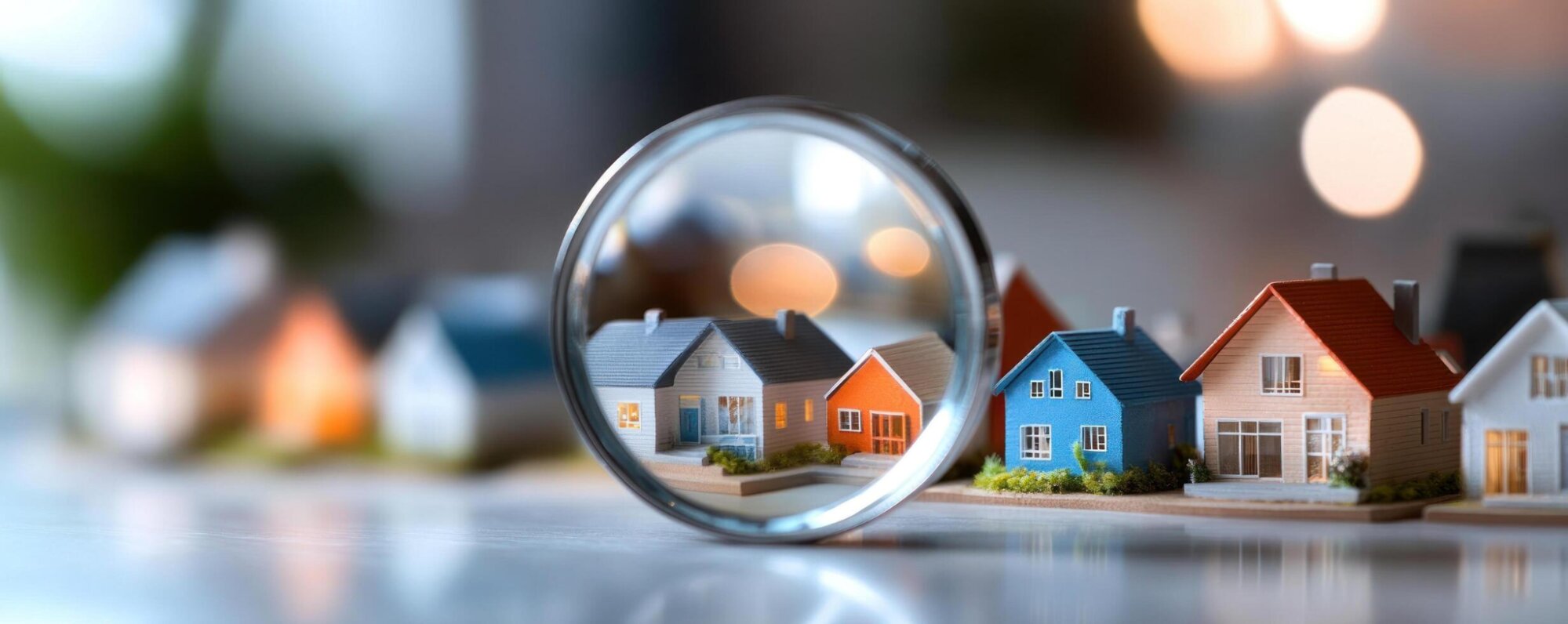
In the globalized world of 2026, buying a home “sight unseen”, or without having been physically inside, has become increasingly common. Whether you're an expat returning to the Netherlands, an investor looking outside your own region, or a buyer who simply doesn't have the time to travel to the other side of the country for every viewing, blind buying is no longer the preserve of daredevils.
However, buying a home based on photos and videos involves significant risks. You miss the smell of moisture, the sound of the nearby highway, and the sense of space. To minimize these risks, you need to create a digital safety net. Here's the ultimate guide to buying a home safely from your laptop.
The “Eyes on the ground”: Call in a buying agent
If you can't be there yourself, you need a counselor to do the “sensory check” for you. A buying agent is not a luxury for a sight unseen purchase, but an absolute requirement.
- Live video tours: Let the broker take you into a live facetime or whatsapp conversation. Ask the agent to point the camera at specific points: the corners of the ceiling (for leaks), the inside of the kitchen cabinets and the condition of the frames.
- The “Smell and sound test”: Ask your broker explicitly about things that the camera does not capture. Does it smell like dogs or cigarettes? Is there a constant hum from a nearby transformer house? Do you hear the upstairs neighbors walking?
Use 2026 technology
Don't be satisfied with the standard Funda photos, which are often taken with a wide-angle lens to make rooms look bigger than they are.
- 3d matterport tours: Request a full 3D scan of the home. This allows you to walk virtually through the home yourself and digitally measure the dimensions of walls and floors.
- Drone footage: Request images of the roof and the immediate surroundings. A drone shows whether there are asbestos roofs in the area or whether the neighbor's backyard is a landfill.
- The digital twin: Many modern homes in 2026 will have a digital file (the housing passport) that accurately records the maintenance history and materials used.
The architectural inspection as an insurance policy
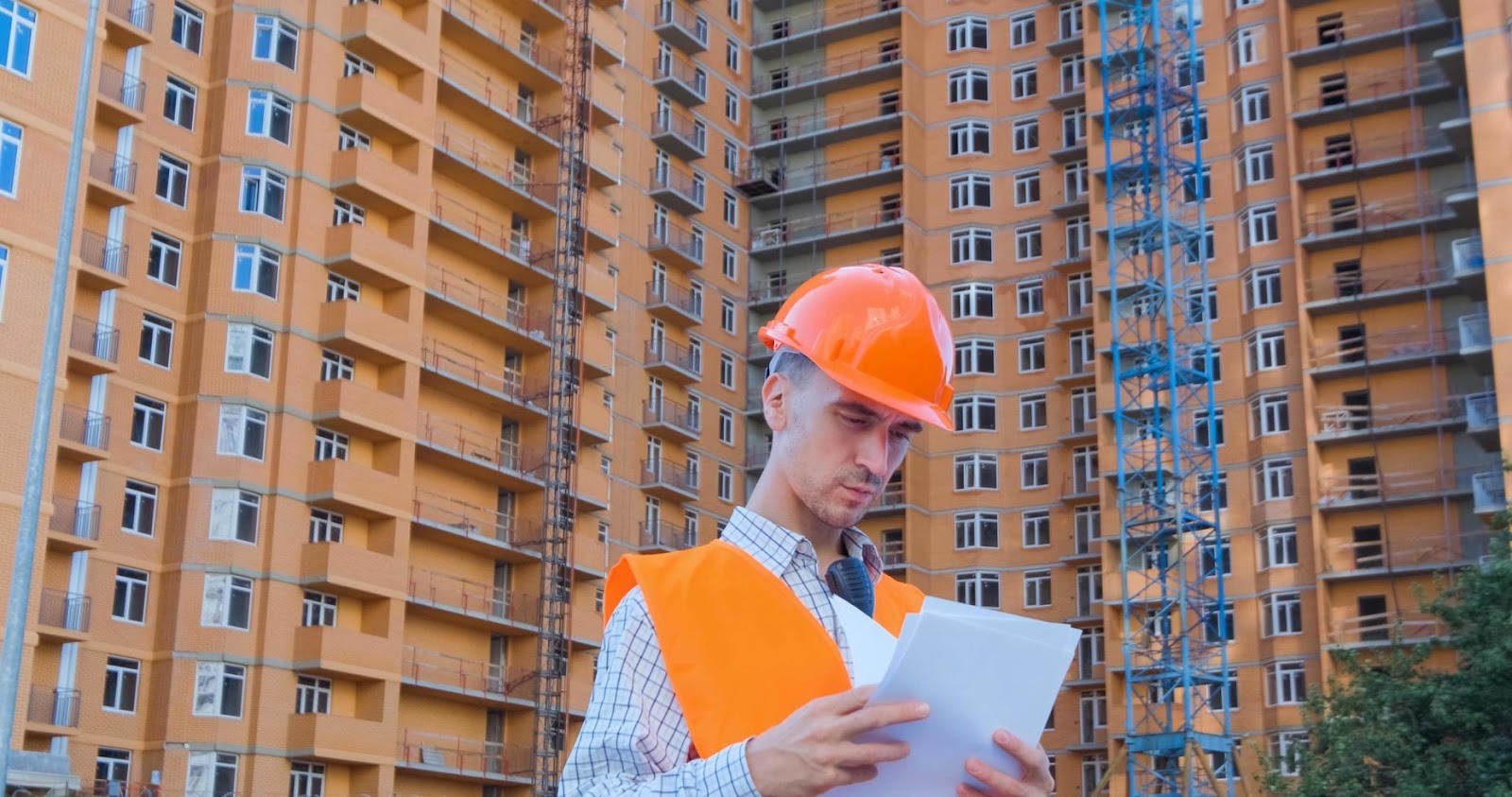
During a physical viewing, you can sometimes see for yourself that a floor is crooked or that there are cracks in the façade. When purchasing remotely, you are blind to these signals. An independent architectural inspection is therefore unnegotiable.
Make sure that the inspector draws up a comprehensive report with photos of the crawl space, the attic and the meter cupboard. In 2026, inspectors will often use thermal cameras to detect insulation defects or hidden leaks. Make the result of this report a resolutive condition in your bid: if the repair costs exceed a certain amount (for example, €5,000), you can cancel the purchase free of charge.
Digitally investigate the micro-location
The home can be beautiful, but the location determines your enjoyment of living. Luckily, you can check almost everything online.
- Google street view & satellite: Do not just look at the house, but “walk” all over the street. Do you see a lot of overdue maintenance on the part of the neighbours? Are there a lot of commercial vehicles parked?
- Zoning plans: Check via ruimtelijkeplannen.nl whether the municipality plans to change the lawn behind your future garden into a parking garage or an apartment complex.
- Flood maps: As discussed earlier, climate resilience is essential. Check the height of the plot and the risk of flooding.
The legal safety net: Specific clauses
In a purchase agreement for a sight unseen purchase, you can build in extra protection.
- Cooling-off period: As a private buyer, you have three days of legal cooling-off period in the Netherlands after signing the contract anyway. Use this time to possibly book a quick flight and see the house for yourself before the cooling-off period ends.
- Equipment warranty: Because you have not been able to test the oven, dishwasher and heater yourself, you can include in the additional provisions that the seller guarantees that all installations function properly on the day of transfer.
Rely on source data and documentation
Request the complete file from the sales agent. In 2026, the seller's duty to provide information will be strict.
- Sales questionnaire: Examine the seller's completed list. Have there been any previous leaks? Has foundation research ever been done?
- VVE minutes: Are you buying an apartment? Read the minutes of the Owners Association for the past three years. This contains the real problems: fights about cleaning, plans for an expensive roof renovation or complaints about noise pollution.

The psychological barrier: “The click”
The biggest disadvantage of blind buying is the lack of gut feeling. A home is more than just a collection of bricks and data; it's a place where you need to feel at home.
Try to overcome this by asking the agent to record a video at a “normal” time of day, with no extra lighting, and with the street sound on. Also ask about the incidence of light at different times. In practice, a house that is bright white in the photos can be very dark if the windows face north.
The insight: Data over emotion
Buying Sight unseen requires a clinical, almost business approach. Where physical buyers are sometimes tempted by the smell of fresh coffee and the beautiful decor, remote buying forces you to focus on the facts: the architectural condition, the legal documents and the hard data of the environment.
With a critical buying agent, a thorough architectural inspection and smart use of digital tools, blind buying will be safer than ever in 2026. You may be buying without looking, but certainly not without knowing.


