February 5, 2026
Living in The Hague in 2026: The sea at your fingertips, but is it still affordable?
10/7/2022
February 6, 2026
February 6, 2026

The Hague, the only major Dutch city on the coast, will be an irresistible attraction for home buyers in 2026. The combination of political power, international allure and the salty sea air of Scheveningen and Kijkduin makes the city unique. But with the continuing tightness in the housing market and the stricter sustainability requirements of 2026, many buyers are asking themselves: can a home in the royal city still be financed, or are you paying an insurmountable “sea tax”?
As a purchasing advisor, I see the Hague market changing every day. It is a city of contrasts, where stately mansions in the Statenkwartier stand side by side with ultra-modern sustainability projects in the Binckhorst.
The status of the Hague market in 2026
In 2026, The Hague definitely stepped out of Amsterdam's shadow. Prices in the city have grown steadily over the past two years, driven by a shortage of high-quality homes with a favourable energy label.
- The sea factor: Homes within a 15-minute bike ride from the beach (Scheveningen, Duindorp and the Vogelwijk) will have an average price premium of 15% to 20% in 2026 compared to homes further inland.
- International pressure: The presence of international courts and embassies ensures a stable flow of wealthy expats, which keeps the rental and purchase prices in the middle segment (between €450,000 and €700,000) high.
The starter exemption: A blessing for the buyer from The Hague?
With the increased threshold for the start-up exemption of €555,000 in 2026, many popular neighborhoods in The Hague may or may not fall within the scope of the transfer tax exemption.
- In the prices: In neighborhoods such as the Vruchtenbuurt, Leyenburg and parts of the Bezuidenhout, you can still find good apartments or smaller single-family homes that fall below the border in 2026.
- Outside the boat: Do you really want to live close to the sea, such as in the popular Vogelwijk or the Belgian park, then the price often exceeds €600,000, so you still pay the full amount of transfer tax.
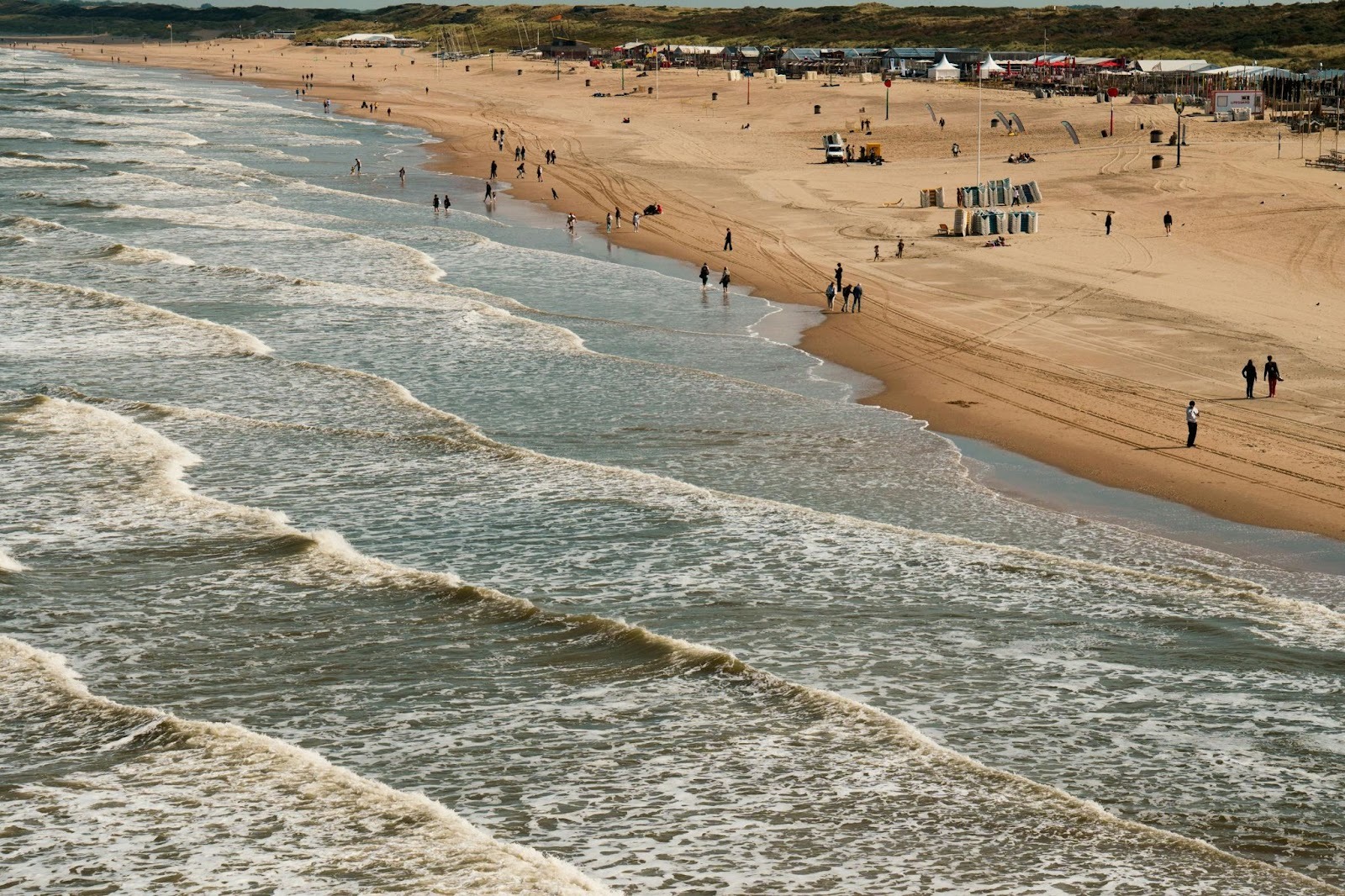
The energy label gorge on the coast
In 2026, the energy label became the most important factor for the affordability of your monthly payments. The Hague has a lot of historic buildings, which provide beautiful facades but also technical challenges.
Expert warning: Many classic The Hague homes in Scheveningen still have label E, F or G. Since the stricter rules of 2025, banks often require a mandatory “sustainability deposit” when purchasing these homes. This means that, on top of your purchase price, you must immediately invest in insulation or a hybrid heat pump to secure your financing.
Comparison: New building in Binckhorst vs. old Scheveningen (2026)
Choosing between a new construction home in Binckhorst and an existing property in Oud-Scheveningen involves differences in energy efficiency, maintenance, and lifestyle. New buildings in Binckhorst are typically designed to modern sustainability standards, often carrying an A++++ energy label and operating completely gas-free. This usually results in lower energy consumption and reduced monthly utility costs. Older homes in Oud-Scheveningen often have lower energy labels, commonly around E or F, and still rely on gas heating, which can increase energy expenses and may require upgrades in the future.
There are also differences in property price structure and maintenance expectations. In Binckhorst, prices typically range between about €5,800 and €6,400 per square meter, and maintenance costs are generally low during the first decade because the building and installations are new. Properties in Oud-Scheveningen can range from roughly €6,200 to €7,100 per square meter, partly due to their prime coastal location. However, maintenance can be higher because the salty sea climate gradually affects paintwork and exterior materials. The lifestyle difference is also significant: Binckhorst is usually about a 20–25 minute bike ride from the sea, while in Oud-Scheveningen the beach can often be reached within a 2–5 minute walk.
The hidden gems of 2026
Has the coastal district become unaffordable? In 2026, smart buyers will look at the neighborhoods that benefit from the “wave movement” from the center to the sea.
- Loosduinen: This district has undergone an enormous transformation. It is located near the renovated Kijkduin (which was finally fully completed and luxurious in 2026), but the prices here are still considerably lower than in Scheveningen.
- De Binckhorst: What was once an industrial area is now the hippest spot in the city. With the new fast tram connections, you can get to the coast faster than you think, while living in an energy-efficient “smart home”.
Source data and speed: The Hague bid process
In 2026, more than 80% of transactions in The Hague will use source data via systems such as Ockto. Because the market for homes near the sea is so competitive, you no longer have time for slow paperwork.
- Hint: Make sure your “financial passport” is already validated before viewing. In 2026, sellers in the popular coastal regions will often prefer a buyer who can immediately demonstrate that the financing (based on source data) is feasible, even over a higher offer with more uncertainty.
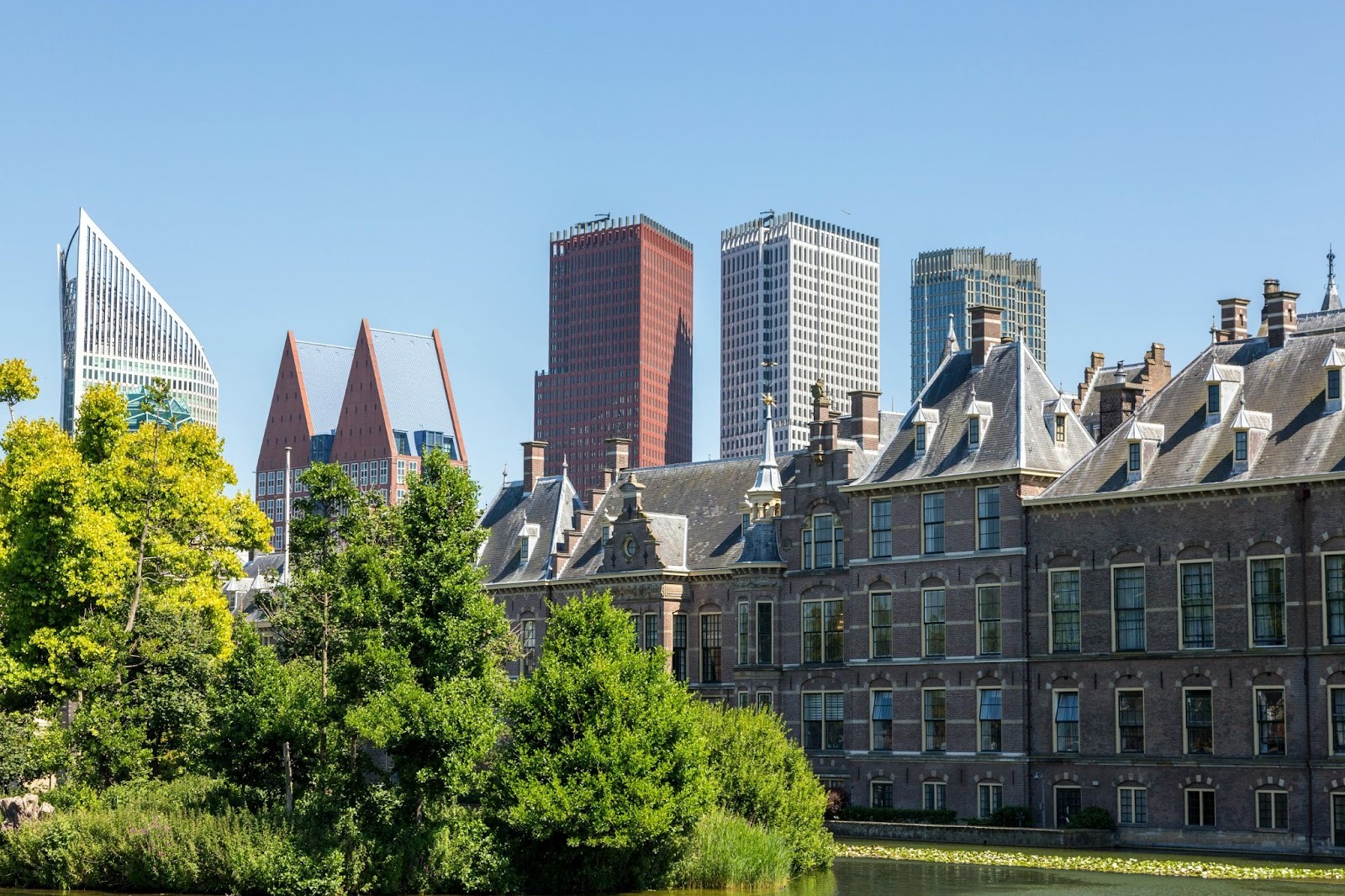
Leasehold: The Hague's viper in the grass
A specific focus in The Hague that will still have a significant impact on affordability in 2026 is leasehold. Much of the land in The Hague is owned by the municipality.
- Perpetual leasehold: Please pay attention to whether the canon (the rent for the land) has been purchased. In 2026, banks are extremely reluctant to finance homes where the leasehold rent will soon be revised, because this makes your monthly payments unpredictable.
Practical tips for the Hague home seeker
- Watch the wind: Living by the sea means more maintenance. In 2026, the costs for painting and facade cleaning increased; keep this in mind in your monthly buffer.
- Use the NHG: In 2026, the NHG border will be large enough for many apartments in The Hague. This gives you just that little bit of extra interest discount that keeps living on the coast affordable.
- Check the parking permit: In many neighborhoods near the sea, stricter parking policies were introduced in 2025 and 2026. Check whether you can get a permit with the home, or whether you have to rely on expensive parking garages.
A realistic dream by the sea
Living in The Hague in 2026 with the sea around the corner is a dream that can still come true for many, provided you work strategically. Yes, the neighborhoods right on the coast are pricey and present energy challenges. But by taking advantage of the starter exemption of up to €555,000 and moving to emerging districts such as Loosduinen or the Binckhorst, you get 'the best of both worlds': the modern conveniences of the city and the freedom of the coast.
The Hague will remain the city of peace and justice, but in 2026 it will mainly be the city of smart real estate opportunities for those who look beyond the first row of dunes.