February 8, 2026
How does inheritance affect rent?
29/8/2023
February 8, 2026
February 8, 2026

In the Netherlands in 2026, the housing market is a complex playing field in which legal status and housing security are closely linked. One of the most emotionally and legally challenging scenarios occurs when a home tenant dies. For the next of kin, the question immediately arises: what happens to the rental contract? Can the heir continue to live in the home, or does the property have to be vacated immediately? The law here provides a specific framework that tries to find a balance between the rights of the heirs and the interests of the landlord.
The process of transferring a rental contract in the event of death is regulated in the Civil Code. In 2026, these rules are strict, but they also included protection mechanisms for those who had their primary residence in the home. In this article, we analyse how inheritance and death affect the rental situation.
Automatic termination of the rental
In principle, if a tenant who lived alone dies and leaves no spouse or registered partner who is a co-tenant, the rental agreement does not end immediately on the day of death. In 2026, the law states that the rent ends by operation of law at the end of the second month after death.
This gives the heirs time to vacate the home and settle the cases. During these two months, the heirs are responsible for paying rent and managing the home. From a legal point of view, they temporarily replace the tenant. It is important to know that the heirs can also terminate the rent earlier, provided that they observe the regular notice period (usually one month). During this period, the landlord does not have the right to evacuate the house or replace the locks himself.
Co-tenancy and the surviving partner
The situation changes drastically if the deceased tenant did not live alone. In 2026, the remaining spouse or registered partner will enjoy the highest level of protection. If they have their main residence in the home, they will automatically become the new main tenant by operation of law.
This means that the lease will continue unchanged in their name. The landlord cannot refuse this and may not demand new conditions or a higher rental price. For partners who are not married and do not have a registered partnership, the situation is more complex. They must be able to demonstrate that there was a “sustainable common household”. In 2026, the judge will look at factors such as the length of living together, joint bank accounts and the intention to live together permanently. If this can be proven, this partner can also claim to continue the rent.

The position of children living in
One of the most painful aspects of the housing market in 2026 is the position of adult children still living with their parents at the time of death. According to Dutch law, the relationship between parent and child is in principle not considered a “sustainable common household”. The assumption is that children will fly out at some point.
When the parent (the main tenant) dies, the child does not automatically have the right to continue the rent in 2026. This often leads to distressing situations where children have to leave their parental home within two months. However, there are exceptions:
- If the child can demonstrate that there was a specific care relationship or an intention to live together permanently (for example in informal care).
- If the landlord (often a housing association) has a special policy for “orphan young people” or children left behind.
In these cases, the court can sometimes decide that the rent may continue, but the burden of proof lies heavily on the child left behind.
Heirs and rent debts
Inheritance means not only the right to property, but also the duty to settle debts. When a tenant dies with rent arrears, this debt is transferred to the heirs.
If the heirs fully accept the inheritance, they will be personally liable in 2026 for the outstanding rent and any damage to the home that occurred during the rental period. This is an important risk. Lawyers often recommend accepting an inheritance “beneficiary”. In that case, the rental debts are only paid from the deceived's assets. If the deceived's contents and bank balance are not enough to cover the rent debt and the costs of repairing the home, the heirs do not have to pay for this out of their own pocket.
Maintenance and delivery of the home
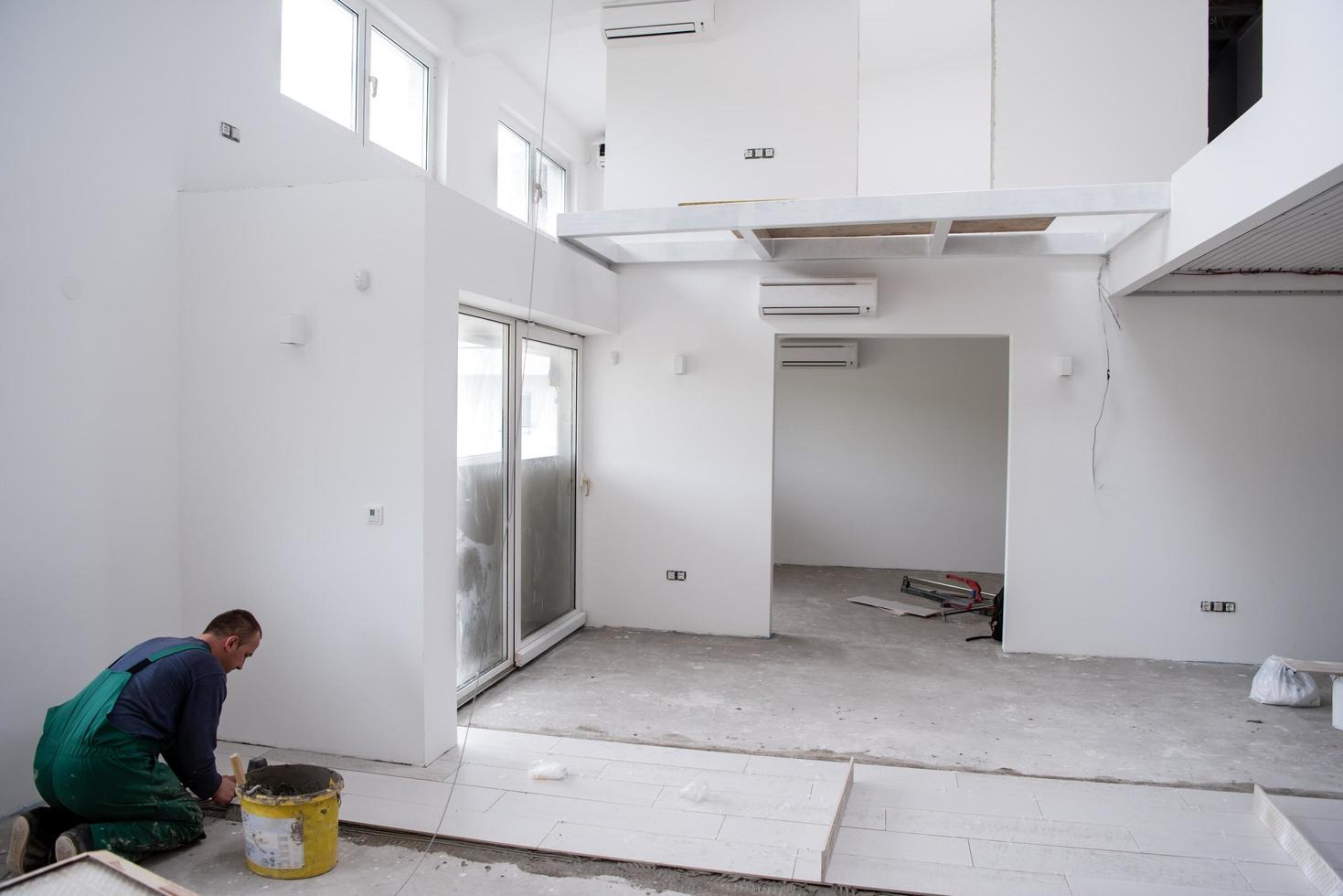
The obligation to deliver the home in good condition is an essential part of tenancy law that affects the inheritance. After the death, the heirs must leave the home “empty and broom clean”, as stated in the original recording state.
This means that they are responsible for removing the contents, repairing any self-made provisions (unless the landlord accepts them) and carrying out minor repairs. In 2026, landlords are strict on completion, because the house often has to be rented out immediately to the next person waiting on the list. The costs of vacating a home can be considerable. If the heirs do not deliver the home on time or incorrectly, the landlord can recover the costs of repair and eviction from the estate.
The landlord was here? (Unmanaged Estates)
Sometimes it happens that a tenant dies without known heirs, or that all heirs reject the inheritance. In 2026, people then speak of an unmanaged legacy.
In this scenario, the landlord is in a difficult position. He is not allowed to enter or empty the home just like that, because the deceived's belongings are still protected. In such cases, the landlord must contact the Central Government Real Estate Agency or have a liquidator appointed by the court. Only after the legal procedures have been completed can the home be released to a new tenant. This process can take months, with the landlord likely to lose income. For the landlord, death without heirs is therefore often a considerable administrative and financial burden.
The intersection between inheritance law and tenancy law requires careful consideration in 2026. For relatives, it is essential to act quickly, to determine the nature of the household and to make a conscious choice about accepting the estate.