February 7, 2026
How does inflation influence the choice between renting and buying?
31/8/2022
February 7, 2026
February 7, 2026

It is 2026 and inflation is no longer a theoretical concept in the economics books; it is a daily reality that hits Dutch households in the pockets. Although the extreme peaks of a few years ago leveled off, monetary depreciation remains a crucial factor in deciding whether to keep renting or to take the plunge into a home for sale.
Inflation works like a double-edged sword in the housing market. For some, it is a silent killer that erodes purchasing power; for others, it is an unexpected ally that makes debts “evaporate” more quickly. In this article, we analyse how inflation in 2026 will affect the balance between renting and buying and who has the best papers at the bottom of the line.
The tenant: The fight against indexation
For a tenant, inflation in 2026 is a direct source of uncertainty. Most leases, both in the social sector and in the free sector, contain clauses that link the annual rent increase to inflation rates (CPI).
- The automatic rise: When supermarket prices rise, the rental price often follows with a slight delay. In 2026, we will see that while the government limits the maximum rent increases (e.g. on inflation + 1%), the trend remains inexorably upward.
- No 'Lock-in' on housing costs: A tenant has no option to fix his largest monthly cost. Over a period of ten years with an average inflation of 3%, a rent rises from €1,200 to more than €1,600, without improving the quality of the home.
The buyer: Debt evaporation and the fixed burden
For the buyer with a mortgage, inflation in 2026 is often a blessing in disguise. This is due to the mechanism of “debt evaporation”.
- Nominal vs. real: Let's say you take out a mortgage of €400,000 in 2026 with a fixed interest period of 20 years. Your gross monthly payment is fixed. While inflation erodes the value of the euro, your debt remains nominally the same. After ten years of inflation, that €400,000 has become “worth less” in terms of purchasing power, while your home has probably increased in value.
- Wage increases as a lever: In times of inflation, wages rise (often with some delay). If your salary increases but your mortgage costs remain the same, the percentage of your income that goes to live decreases. Where a tenant sees more and more of their salary go to the landlord, the buyer has relatively more left over each year.
The impact on home value
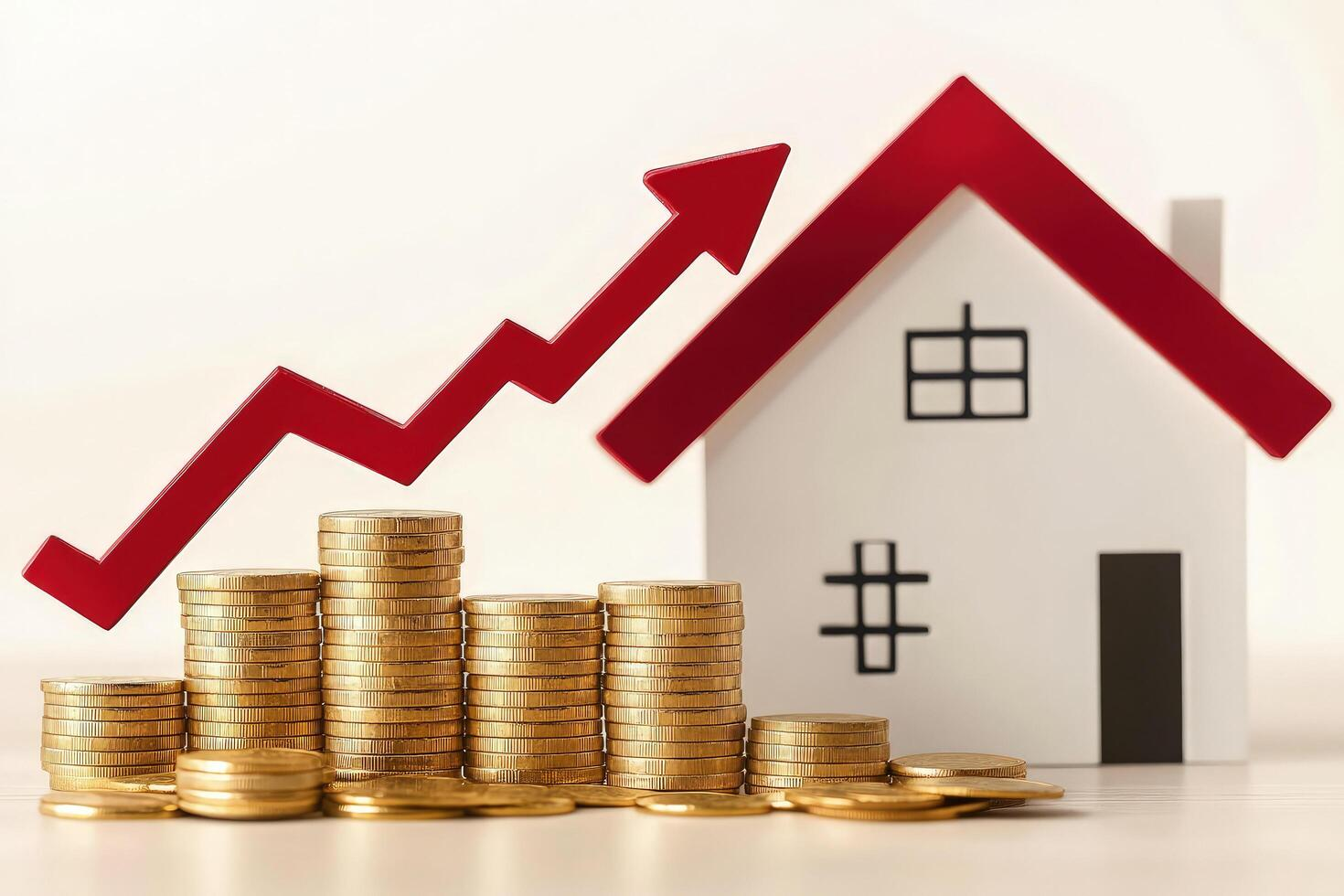
Inflation also has a direct impact on the price of the “bricks”. In 2026, we will see that real estate is still seen as a safe haven against depreciation.
- Replacement value: The costs of building materials, labour and land are rising with inflation. This makes it more expensive to build new houses. Existing homes increase in value because they are a cheaper alternative to new construction.
- Asset Inflation: Because bank savings lose value during high inflation, investors and individuals flee in physical goods. This drives up the demand for homes for sale, which accelerates the incumbent homeowner's wealth accumulation.
Comparison: housing costs at 3% annual inflation (Scenario 2026–2036)
When housing costs start at the same level, inflation can gradually create a noticeable difference between renting and a fixed mortgage. In the first year, both the tenant and the homeowner pay about €1,500 per month, meaning there is no financial difference at the start. However, rent typically increases over time due to inflation and market adjustments, while many mortgages remain relatively stable if the interest rate is fixed.
After five years, a monthly rent that started at €1,500 could rise to around €1,739 with an annual increase of 3 percent, while the mortgage payment remains about €1,500. This creates a monthly advantage of roughly €239 for the buyer. By year ten, rent could increase further to approximately €2,016 per month, while the mortgage cost still remains around €1,500. At that point, the homeowner’s monthly housing cost would be about €516 lower than the rent, illustrating how fixed mortgage payments can become relatively more affordable over time compared to inflation-driven rent increases.
The downside for the buyer: Maintenance and variable loads
Although mortgage debt is evaporating, the buyer is not completely immune to inflation.
- Maintenance costs: In 2026, the costs for a painter, a plumber or materials for sustainability rose sharply. The buyer must absorb this inflation immediately. The rule of thumb of 1% of the home value for maintenance should often be revised upward in times of inflation.
- Local Taxes: Municipal taxes and the OZB are often increased by municipalities to cover their own inflation-related costs. These are costs that are often hidden from the tenant's total rent, but are immediately visible to the buyer.
Interest rates and inflation: The big unknown
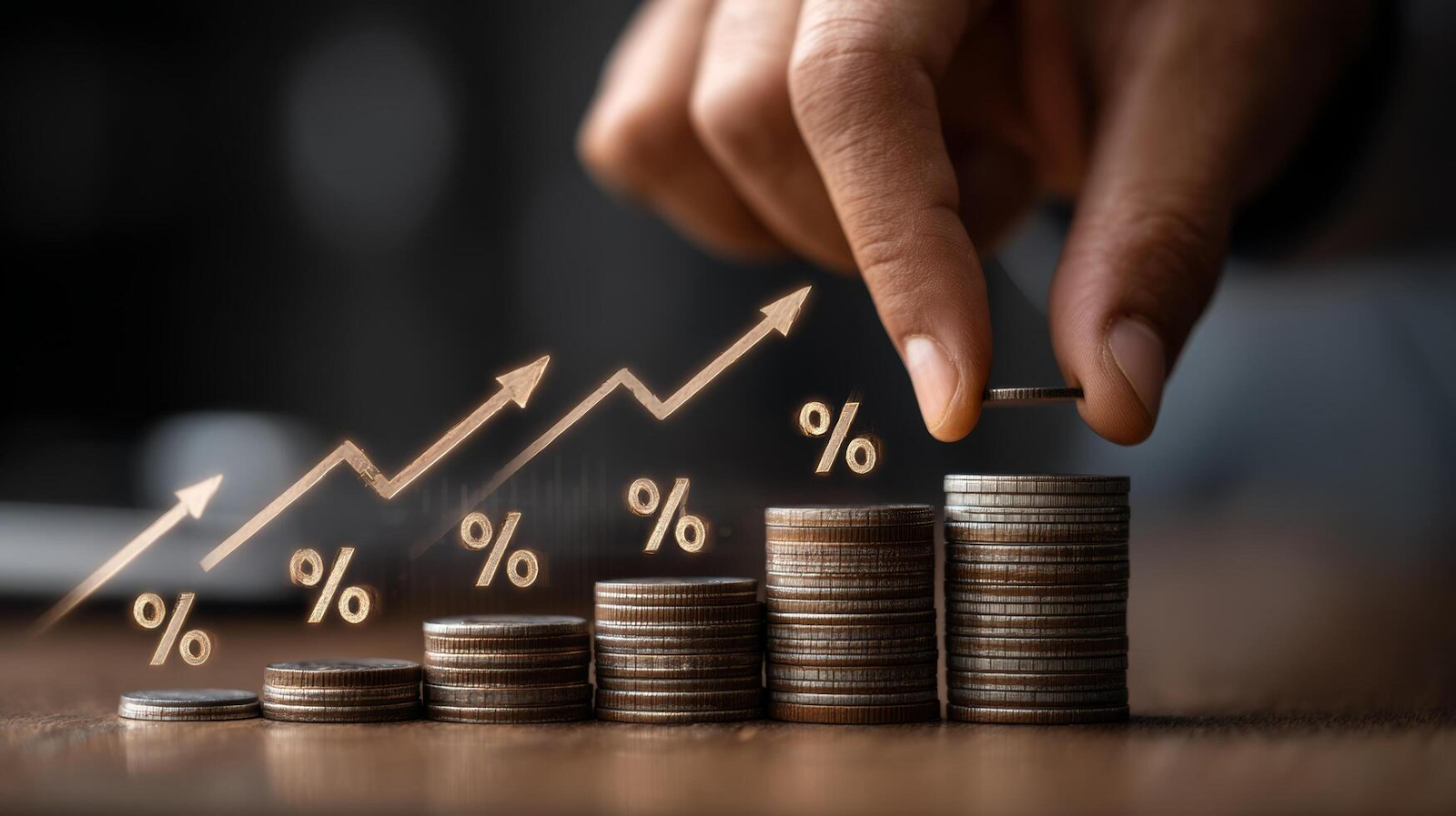
In 2026, the relationship between inflation and interest rates is complex. If inflation remains high, central banks can raise interest rates to cool the economy.
- For the new buyer: High inflation often leads to higher mortgage rates. This will make it more difficult to enter the buying market in 2026. The higher monthly payments may interfere with the benefit of debt evaporation.
- For the seated buyer: Those who have fixed their interest rate for 20 years at the lower rates of the past are in a luxury position. They benefit from inflation without being affected by interest rate rises.
The psychological effect: Maintaining purchasing power
Owning a home in 2026 offers a form of psychological inflation protection. For most people, the home is their biggest expense. By “securing” this burden via a mortgage, you create an anchor in your financial life. You know where you stand, while the tenant fears the blue envelope with the rent adjustment every year.
Finally, who wins in the event of inflation?
In the 2026 housing market, there is a clear winner in the event of persistent inflation: the buyer with a long-term fixed mortgage rate. The mechanism by which your debt decreases in real terms while your assets rise in value is one of the most powerful ways to build wealth.
The tenant is in a more difficult position. Inflation not only drives up daily costs, but also causes an inevitable annual increase in housing costs. For the tenant, the only defense against inflation is to increase income or find a home with strict rent regulation.