February 8, 2026
How do you report unsafe housing legally correctly?
15/8/2023
February 8, 2026
February 8, 2026

In the 2026 Dutch housing market, the right to a safe and healthy living environment is firmly enshrined in the law. However, it happens that tenants have to deal with serious defects that endanger safety, such as fire hazardous situations, construction errors, lead pipes or persistent mold due to failed insulation. Many tenants, especially internationals, are reluctant to take action for fear of repercussions or ignorance of the complex legal procedures.
However, legally reporting unsafe housing is essential to protect your rights and force the landlord to recover. In 2026, the enforcement options for municipalities and the powers of the Rent Committee were expanded, allowing faster action in the event of excesses. In this article, we discuss the step-by-step process for formally and legally binding reporting unsafe situations.
Documentation: The basis of your burden of proof
Before you make an official report, it is crucial to build a file. Legal proceedings in 2026 are all about demonstrable facts. An oral complaint to the caretaker is not sufficient.
- Visual evidence: Take detailed photos and videos of the unsafe situation. When it comes to electricity, also make recordings of the meter cabinet or loose wiring.
- Measurements: In case of humidity problems or noise pollution, it can be useful to take measurements yourself with certified equipment, or to call in an expert for a baseline measurement.
- Logbook: Keep a timeline of when the flaws occurred and when you first noticed them.
The formal notice of default
The first legal step in 2026 is always sending a written notification to the landlord. This must be done via a so-called “notice of default”. This document is the cornerstone of your case; without a correct notice of default, you will not be able to claim a rent reduction or a court remedy later.
In this letter, you must specifically describe the defects and give the landlord a reasonable period of time to repair the defects. In the practice of 2026, a period of six weeks is considered reasonable for non-acute cases, but in the event of immediate danger (such as the risk of collapse or the risk of a short circuit), the period can be considerably shorter, for example 24 to 48 hours. Always send this letter by registered mail and by mail so that you have proof of receipt.
The municipal hotline and the Good Landlord Act
Since the full implementation of the Good Landlord Act, all municipalities have been obliged to have an independent hotline for tenants in 2026. If the host does not respond to your notice of default or if the situation is immediately dangerous, this is your next station.
The municipality has far-reaching powers to intervene. Construction and Housing Supervision inspectors can visit the home and prepare an official report. If the home does not meet the requirements of the Building and Living Environment Decree (the successor to the Building Decree), the municipality can impose a penalty order on the landlord. In extreme cases, the municipality can even declare the home uninhabitable and oblige the landlord to provide replacement housing.
The procedure before the rent commission
For tenants in the social sector and mid-rent, the Rent Commission will be the appropriate authority in 2026 to enforce a rent reduction in the event of overdue maintenance and unsafe situations.
When the recovery period from your notice of default has expired, you can start a procedure. The Rental Committee uses a “Defects List” where unsafe situations often fall under C defects (serious defects). If the commission agrees with you, the rental price can be temporarily reduced to 20%, 30% or 40% of the applicable rental price until the landlord has resolved the unsafe situation. In 2026, this financial pressure tool proved to be extremely effective in getting slow landlords to move.
The role of the GGD and the fire department
In the event of specific unsafe situations that directly affect health or physical safety, there will be specialized bodies that will play a role in legal evidence in 2026:
- GGD (Health Department): In case of severe mold, pest infestations or lead pipes, the GGD can initiate a medical-environmental investigation. Their reporting weighs heavily in legal proceedings before the subdistrict court.
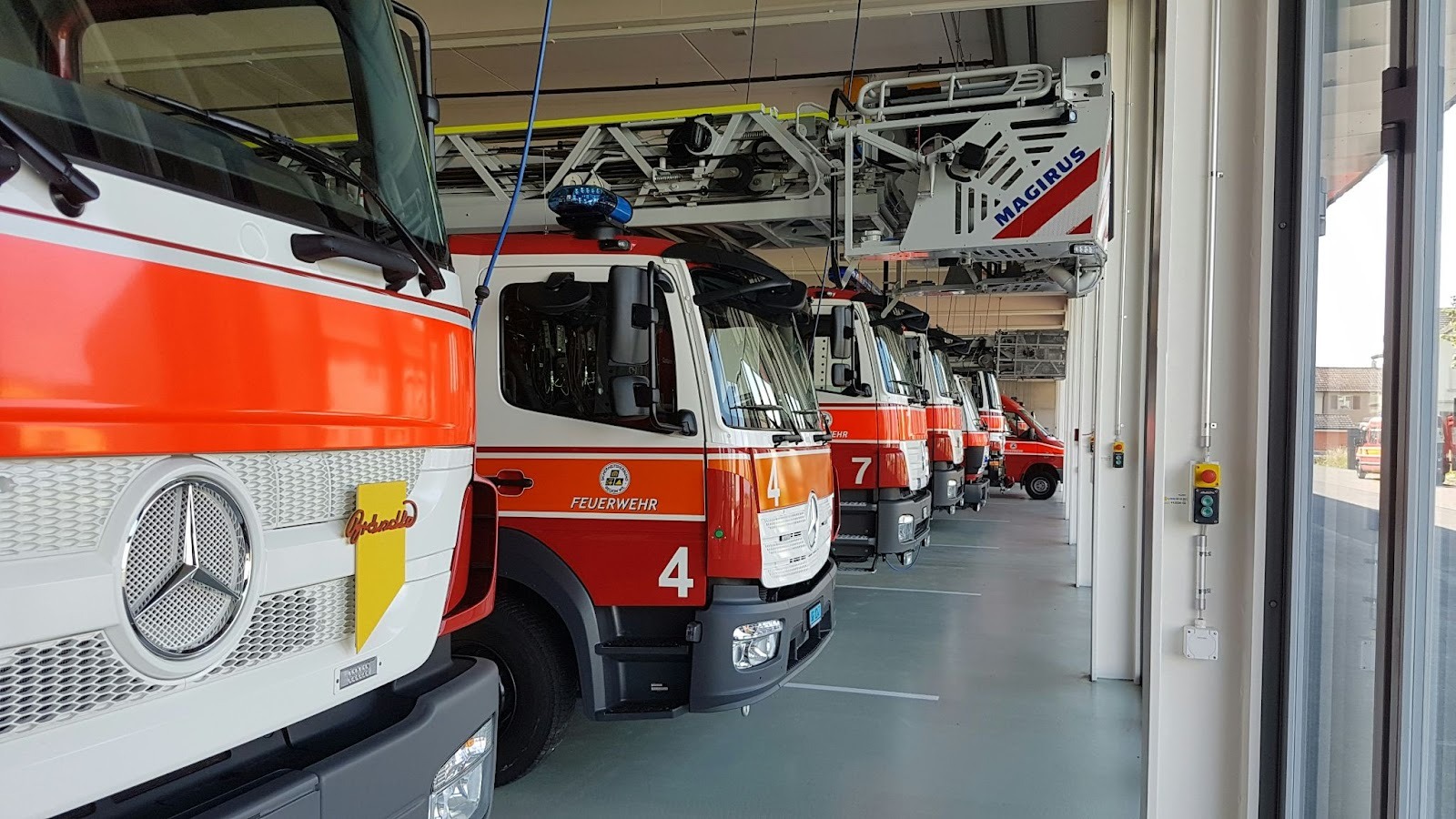
- Fire Brigade: If escape routes are blocked or fire alarm systems are missing in a shared complex, the fire department can carry out an inspection. Negative advice from the fire department often leads to immediate administrative coercion from the municipality.
These reports serve as independent expert evidence that supports your own statements.
To the subdistrict court for emergency services
In 2026, going to the subdistrict court is the last but most compelling step. For urgent matters, a tenant can file summary proceedings. The judge can then order the landlord to carry out the necessary repairs within a few days, under penalty of a large daily penalty.
You can also request the court for an “authorization to self-repair”. This means that you, as a tenant, have the unsafe situation repaired by a recognized company and can deduct the costs directly from the rent. This is a drastic measure that will only be granted in 2026 if the landlord has remained demonstrably negligent after multiple summations. For this step, it is advisable to seek legal assistance via the Legal Counter or a specialized lawyer.
Reporting unsafe housing is a process of escalation in 2026. By setting the right legal tone every step of the way and using the official channels, you are not only forcing recovery, but also creating a safer housing market for future tenants.