February 8, 2026
How do you register an address as a newcomer?
30/6/2023
February 8, 2026
February 8, 2026

In the Netherlands in 2026, the Basic Registration of Persons (BRP) is the beating heart of your new life. For any newcomer planning to stay in the country longer than four months, registering a home address isn't just an administrative formality; it's the legal requirement that opens the door to a Social Security Number (BSN), health insurance, a bank account and a legal employment contract. Without a registered address, you simply don't exist in the Dutch system.
The address registration process can seem overwhelming for someone who has just landed, especially because of the strict deadlines and the specific documentation that is required. In this article, we explain step by step how to correctly register your address as a newcomer in 2026.
The deadline: The 5-day rule
The Dutch law will be inexorable in 2026: you must register with the municipality (municipality) where you will live within five working days of arrival in the Netherlands.
Although this period is very short, most municipalities understand that finding a home takes time. However, the rule applies from the moment you have a permanent residence or have officially arrived with the intention to stay. In popular cities such as Amsterdam, Utrecht and Eindhoven, the waiting times for an appointment at the Civil Affairs Office in 2026 are considerable. The advice is therefore to schedule your appointment online before you actually arrive in the Netherlands, as soon as you know the date on which you will receive the keys to your new home.
Documentation required for the BRP
When you first register in the Netherlands, also known as the “First Registration from Abroad”, you must appear in person at the city office. You can't do this online.
Make sure you have the following documents in a physical folder (digital versions on your phone will still be rejected in 2026):
- Valid ID: A passport is required for non-EU citizens; a national ID card is sufficient for EU citizens. A driver's license is not accepted as primary proof of first registration.
- Rent or purchase contract: An official document showing that you live at the address. The contract must be signed by both parties.
- Birth certificate: This is a stumbling block for many. The certificate must be original and, depending on the country of origin, bear an apostille or legalization stamp. By 2026, documents that are not in Dutch, English, French or German must be translated by a certified translator.
- Residence status (for non-EU): Your IND residence permit or the letter stating that your application has been approved.
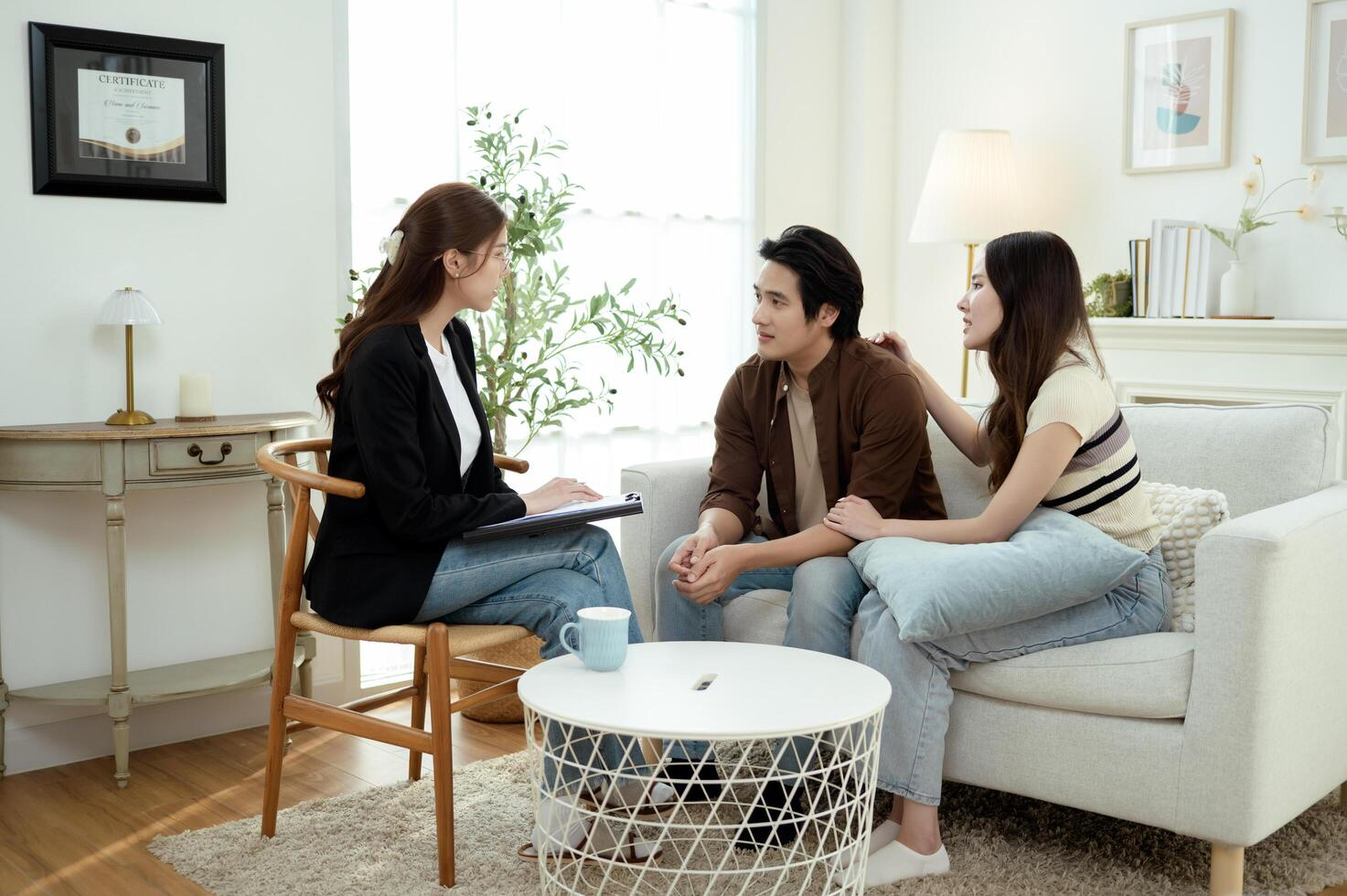
Registering at someone else's address
For the first few weeks, many newcomers stay with friends, family or in temporary sublets while looking for their own place. In this situation, you must also register.
In 2026, this requires a “Principal Resident's Declaration of Consent”. This is a form (usually downloadable from the website of the relevant municipality) in which the main resident explicitly gives permission for you to be registered at their address. In addition to this form, you must also bring a copy of the main occupant's ID to your appointment. Please note: this may affect municipal taxes or the main resident's benefit, so good mutual agreements are essential.
The postal address (postal address) as an emergency solution
If you definitely don't have a fixed home address in 2026, for example because you're staying in a hotel or a holiday park where registration is prohibited, you can request a postal address in exceptional cases.
A postal address is a temporary address (for example, from a friend or employer) where you only receive your official mail. However, the municipality is very strict in awarding this in 2026. You must be able to demonstrate that you are actively looking for permanent housing and that your residence situation is temporary. A postal address is usually assigned for a maximum of three to six months and is intended to prevent you from becoming administratively invisible.
What happens after the appointment?
Once the official has checked your details and entered them into the BRP, the registration is complete.
- Social Security Number (BSN): In most municipalities, you will receive your BSN directly in paper form at the end of the appointment. In larger cities, it may take up to 10 business days to receive confirmation in the mail in 2026.
- DigiD: With your BSN and registered address, you can apply for a DigiD directly. This is your digital identity with which you log in to the tax authorities, health insurers and pension funds. The activation code for your DigiD is always sent by post to your registered address for maximum security.
- Family members: If you move with a partner or children, they will almost always have to come to the appointment in person in 2026, regardless of their age.
Short Stay Registration (RNI)
Will you be staying in the Netherlands for less than four months in 2026, but do you need a BSN for work or study? Then you do not register with the BRP of a specific municipality, but in the Non-Resident Registration (RNI).
There are 19 municipalities in the Netherlands with an RNI counter. Here, you do not have to enter a Dutch home address, but you do need to enter your home country address. You will then receive a BSN immediately. Please note that if your stay is later extended to more than four months, you are legally obliged to convert your RNI registration to a full BRP registration at a Dutch home address.
Registering your address is the first real milestone in your integration process. Although the bureaucracy can sometimes feel sticky in 2026, correct registration ensures that you are fully protected by Dutch law and have access to all social services.