

February 5, 2026
How do you control a home's flood risk?
16/6/2022
February 6, 2026
February 6, 2026

In the 2026 Dutch housing market, “location, location, location” was supplemented with a new priority: climate resilience. With sea levels rising and extreme precipitation becoming more common, understanding a home's flood risk is no longer a niche topic for experts, but an essential step in the buying process.
A house that is beautifully situated on the waterfront today may be uninsurable in ten years or face foundation problems due to fluctuating groundwater levels. In this article, we explain how you, as a buyer, do your own research into the water safety of a building, which sources to consult and what to look out for during a viewing.
The two types of flood risks
Before you start your research, it is important to distinguish between the two main forms of flooding in the Netherlands:
Flood from major waters (Primary)
This involves breaking dikes along the sea, the Ijsselmeer or the major rivers (Rhine, Meuse, Waal). Although the chance of this in the Netherlands is very small due to our advanced dike systems, the consequences are catastrophic. In 2026, banks will increasingly take these long-term risks into account when issuing mortgages.
Flooding due to extreme rainfall (Secondary)
This is much more common. In case of heavy rainfall, sewers cannot cope with the amount of water, causing streets to become flooded and water entering the home via thresholds or cellars. This risk depends less on dikes and more on local drainage and the height of the plot in relation to the street.
Essential online resources
In the Netherlands, we have access to highly detailed public data. Use the following tools to make an initial scan:
- Overstroomik.nl: This is the most important website for any home buyer. Enter your zip code and you will immediately see how high the water in your street will be in the event of a dike breakthrough. You can also see whether there is an evacuation advice for that specific location.
- Klimaateffectatlas.nl: This tool delves deeper into the effects of climate change. Here you can view maps of flooding after extreme rains, but also of possible drought and heat stress in the neighbourhood.
- The land registry and the act of delivery: Sometimes the title deed contains specific provisions about water management or obligations towards the water board.
The role of the foundation and groundwater
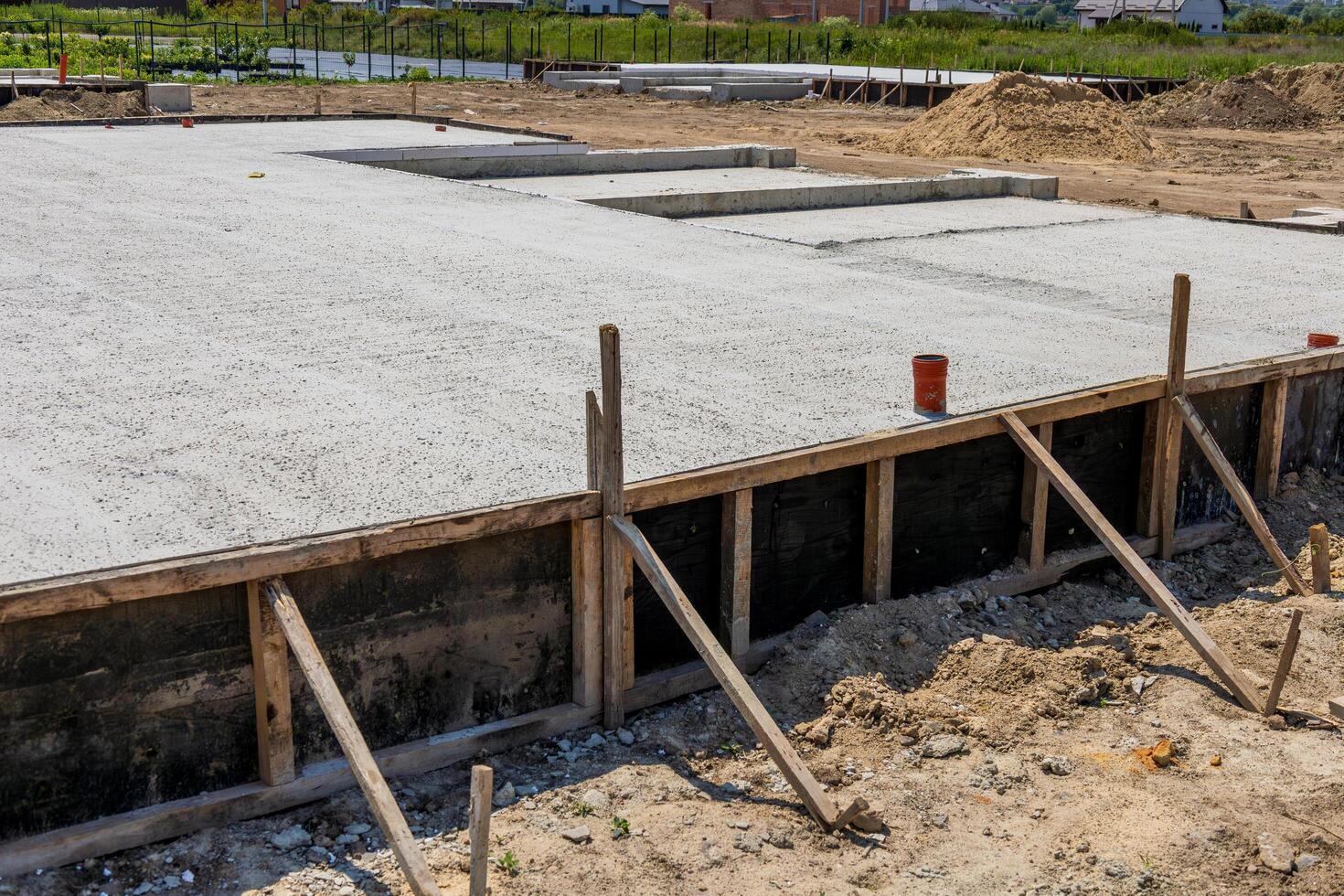
Flood risk isn't just about a wet floor; it's also about what happens underground.
- Wooden pile foundation: In areas with varying groundwater levels (often due to nearby rivers or polders), wooden poles can rot when dry.
- Subsidence: Areas with peatland or clay are susceptible to subsidence. If the water level is lowered to prevent flooding, the soil sinks, which can lead to cracks in the walls.
What do you ask during the viewing?
The sales agent and the current owner have an obligation to provide information. Therefore, ask the following specific questions:
- Has there been flooding in the basement or crawl space in the past? Look for traces of salt efflorescence or mold on the walls of the basement.
- How is the drainage of the plot arranged? Is the garden fully paved (which promotes flooding) or is there room for infiltration?
- Have the current owners taken measures against high tide? Think of check valves in the sewerage system or raised thresholds.
- What is the condition of the crawl space? Ask if you can look into the crawl space. A pool of water is not always a disaster, but constant wetness can indicate a structurally high groundwater level.

Insurability and mortgage in 2026
In 2026, insurers and banks will be a lot more critical than before. Some insurers have a higher deductible for damage caused by precipitation in risk areas, or completely exclude damage caused by the overflow of secondary barriers.
In addition, many mortgage lenders will require a climate risk report when valuing in 2026. If this report shows that the home has an “E-score” for the risk of flooding, this may result in a lower home value or even denial of financing. It is therefore crucial to investigate this risk in the exploratory phase before you incur costs for an appraiser or advisor.
Pay attention to the environment (The neighbourhood analysis)
When visiting the neighbourhood, look beyond the plot itself:
- Location in the neighbourhood: Is the house at a local low point? Water always flows to the lowest point. A house at the bottom of a hill or in a bowl is more vulnerable.
- Type of sewerage: In older neighbourhoods, there is often still a mixed sewer system (rainwater and wastewater in one pipe). In extreme rain, this fills up more quickly, with the risk of water rising through the toilet or shower drains.
- Presence of wadis: Modern, water-resistant neighbourhoods often have “wadis” (green ditches that collect water). This is a positive sign that the municipality is actively working on water safety.
Resilience: An informed buyer counts for two
The Netherlands lives with the water, and that will be no different in 2026. A home in a risk area definitely does not have to be a “no-go”, provided that the purchase price and the preventive measures are in healthy proportion to the risk. By actively using current flood maps, asking critical questions to the seller and pre-testing insurability, you prevent your dream home from transforming into a financial and emotional burden.
Keep a sharp eye on the long term: you're buying a home for the next 10, 20 or 30 years. During that period, the climate will inevitably continue to change. Fifteen minutes of research on tools such as Overstroomik.nl is currently the most valuable investment in your future safety.


