February 5, 2026
How do you compare homes in different price ranges?
25/5/2022
February 5, 2026
February 5, 2026
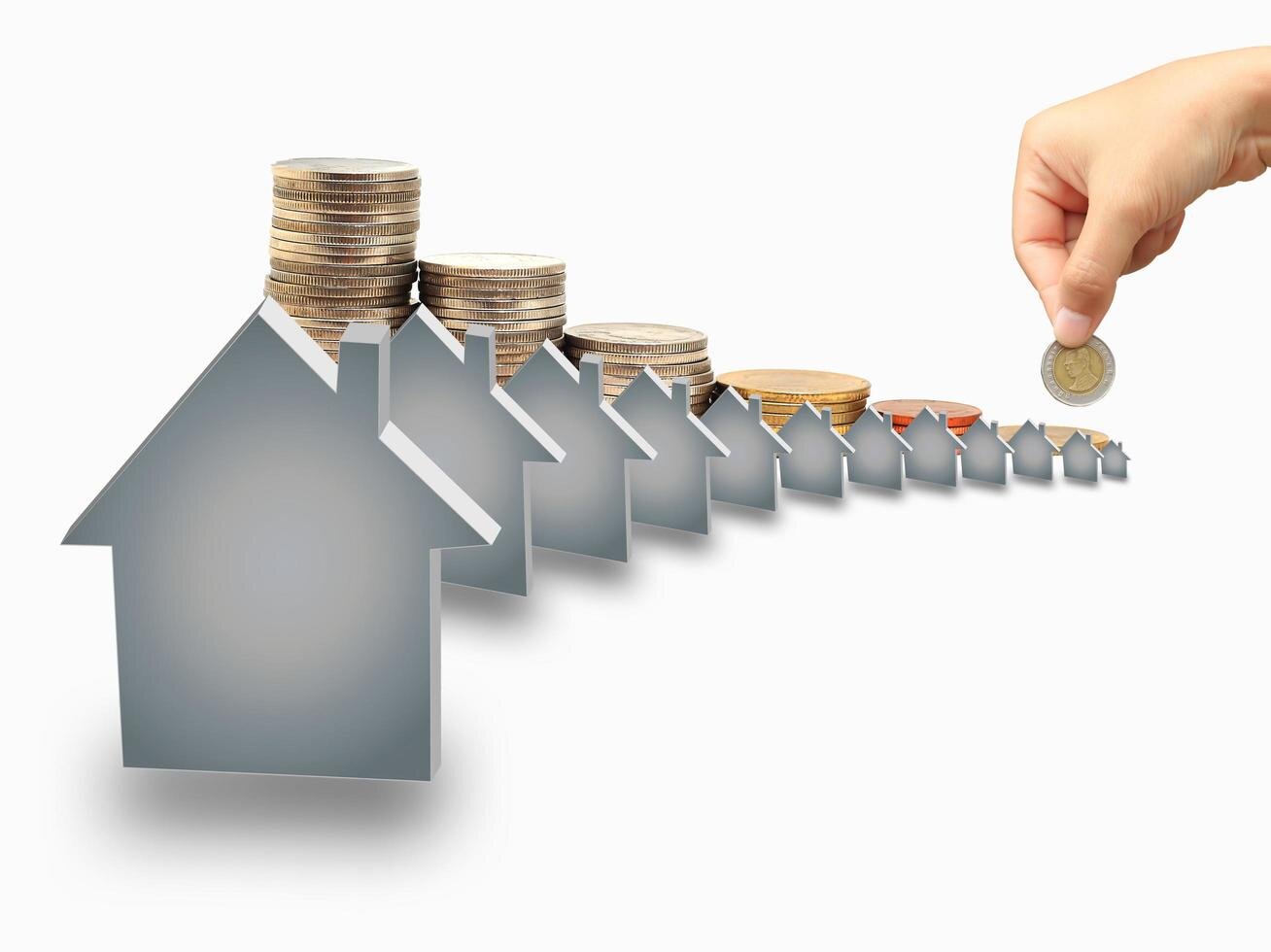
When looking for a new home, it's tempting to focus on one specific budget. But in the 2026 Dutch housing market, the asking price is often just a starting point. Below the line, a home worth €400,000 can be more expensive than a home worth €450,000. Comparing houses in different price ranges requires an analytical view that looks beyond the number on Funda.
To make a fair comparison, you need to look at the total cost of ownership (TCO), the potential for value appreciation and the impact on your daily lifestyle. In this article, we'll discuss how to compare “apples to pears” to make the financially smartest choice.
The shift from purchase price to monthly expenses
The most important tool for comparing homes in different price ranges is to calculate the net monthly costs. The purchase price is a one-off number, but the monthly costs determine your quality of life.
The impact of the energy label
Since the regulations of 2024 and 2025, energy labels have weighed heavily in borrowing capacity. You can borrow considerably more for a home with a label A++++ in 2026 than for a label G home.
- House A (€425,000, Label G): You have a high energy bill (approx. €300 p.m.) and need to invest directly in insulation.
- House B (€475,000, Label A+++): You have almost no energy costs, a lower interest rate on your mortgage (sustainability discount) and you can borrow more.
Bottom line, the monthly costs of more expensive home B may be lower than those of house A, while you live in a more modern and comfortable home.
Renovation costs and the 'Hidden' price
A cheaper house is often a home that “needs to be done about”. To compare these homes with more expensive, ready-to-move-in homes, add the renovation costs to the asking price.
The math
For the cheaper home, make a realistic estimate of the costs of a new kitchen, bathroom, stucco and floors. In 2026, material costs and labour will be expensive. A “bargain” of €350,000 worth worth of €100,000 should be compared to a ready-to-move-in home worth €450,000.
Ask yourself: Do you have your own money for the renovation, or does it have to be in a construction depot? A renovation out of your own pocket is more expensive (due to loss of interest on your savings) than a co-financed renovation.
Location elasticity and value retention
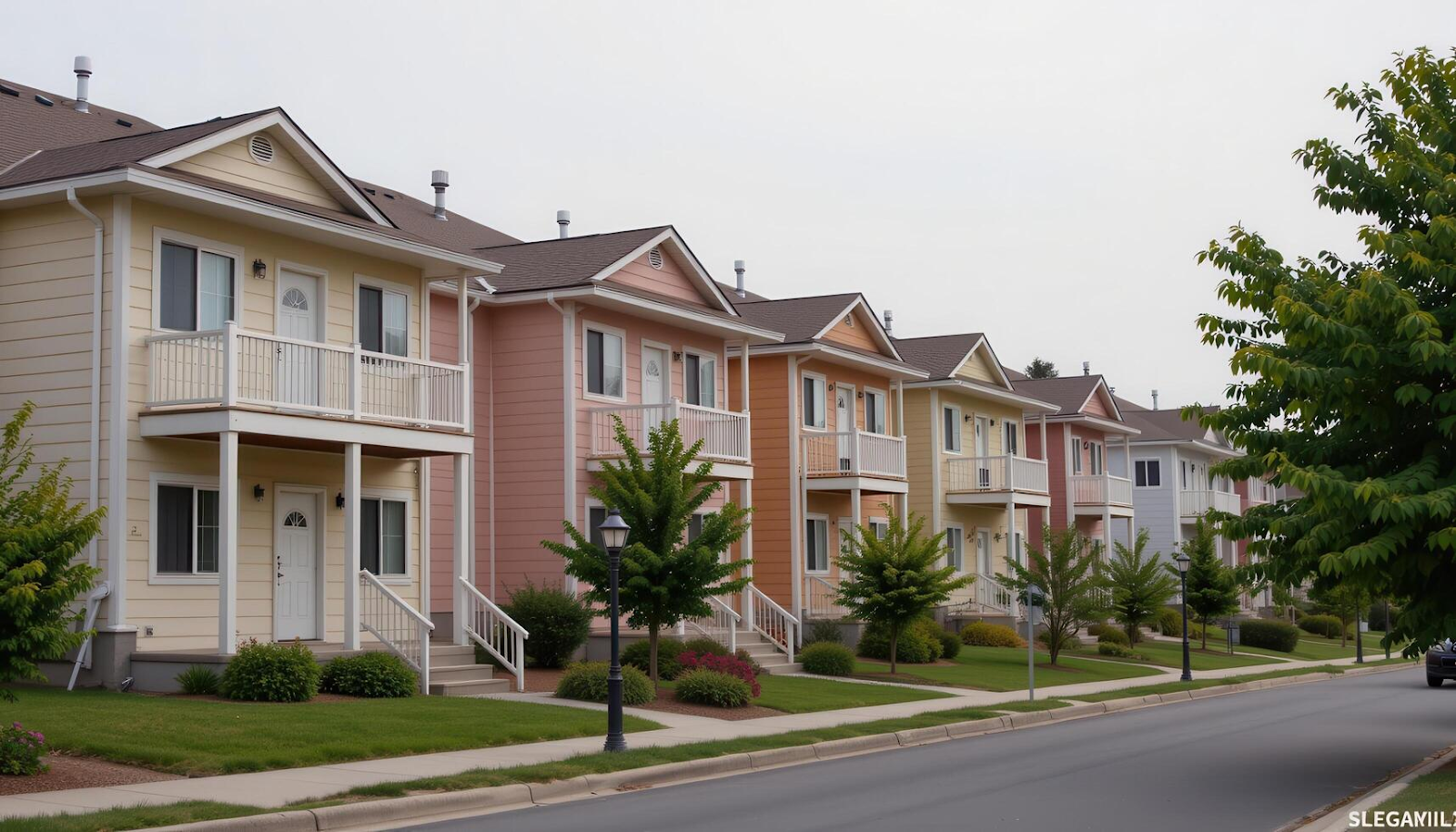
Homes in higher price ranges are often in better locations. Location is the one factor that you can't change and that has the biggest impact on future value.
- The bottom of a top neighborhood: A small apartment in an expensive neighborhood (price range €500,000) is often a better investment than a large villa in a less popular region for the same money. Demand in top neighborhoods remains more stable during economic recessions.
- Nearby price caps: Look at the average retail price in the street. If you buy the most expensive home in a cheap neighborhood, you run into a price cap when selling it in the future. If you buy the cheapest home in an expensive neighborhood, you benefit from the increase in value of the surrounding properties.
The 'Time' and 'Convenience' factors
When comparing different segments, you should also assign a value to your own time.
- Newly build/Ready to move in (Higher price): You move, put down your bags and you can move in. No stress from contractors, no dust and no unforeseen defects. What is that rest worth to you?
- Job home (Lower price): You can decorate the home entirely according to your own taste and often immediately build up “excess value” through self-activity. But you're living in a renovation for months.
Calculate your “hourly wage”. If you've been doing odd jobs every weekend for a year, is the savings on the purchase price still as big as it seemed?

Comparison: A practical approach
Use a table to objectively compare three houses in different classes:
In this example, you can see that the difference in total monthly payments between House A and House B is only €50, while House B is likely to be much more comfortable and involves fewer risks in the short term.
Taxation and additional costs
Take into account the limits of tax benefits.
- Transfer tax: As a starter under the age of 35, you benefit from the exemption up to the home value limit (approx. €525,000 in 2026). If you compare between a home worth €520,000 and €530,000, the actual price difference is not €10,000, but more than €20,000 (due to the 2% tax that suddenly appears).
- NHG limit: Homes below the NHG limit offer a lower interest rate. A home that falls just above this limit is therefore relatively much more expensive every month.
Actual costs: Look beyond the sticker price
Comparing homes in different price ranges is an exercise in financial fairness. The seemingly “cheapest” option often turns out to be the most expensive in the long run when you consider factors such as energy consumption, maintenance costs and tax benefits.
Do not set your budget based on the asking price on Funda, but based on your total net monthly expenses including the energy bill. If you take that boundary as a guide, you'll discover that a more expensive, sustainable home below the line is surprisingly close to your budget, or even cheaper.