February 5, 2026
How do you assess the safety of a neighbourhood before you buy?
30/5/2022
February 5, 2026
February 5, 2026

When buying a home, you often look at the kitchen, bathroom and garden. But as soon as you close the front door behind you, you become part of a neighbourhood. The safety of that environment is perhaps the most decisive factor for your long-term enjoyment of living. After all, you can't plaster away or renovate an unsafe feeling.
In the 2026 Dutch housing market, safety is a multi-layered concept. It's not just about burglary rates, but also about road safety, social cohesion and digital safety in the neighbourhood. How do you separate the facts from your first impression? Use this step-by-step plan to objectively assess the safety of your potential new neighbourhood.
Consult the hard data: The crime meter and police figures
You don't have to guess about safety; in the Netherlands, there are excellent data sources available that map crime by neighbourhood or even by street.
- The crime monitor: Look at the annual overviews of home burglaries, thefts and incidents of violence. Pay particular attention to the trend: are the numbers falling in this specific neighbourhood, or is there an increase?
- Politie.nl: On the police website, you can search for recent incidents by zip code. This gives you an idea of the current situation in the past few months.
- Livable when: This government tool combines hundreds of variables (including safety, but also nuisance and social status) to give a score to the quality of life in a neighbourhood.
The “Night inspection”: Visit the neighbourhood at different times
A neighbourhood can feel quite different on a sunny Tuesday morning than it does on a Saturday night or a weekday night.
- The atmosphere after sunset: Take a walk or drive down the street late at night. Is there sufficient street lighting? Are there places where people hang out unintentionally? Do you feel comfortable walking from the station to the house?
- Sound and activity: Do you hear a lot of noise at night from a nearby entertainment center or hangout? A neighbourhood that seems quiet during the day can have a completely different face at night.
Watch for physical signals in the environment
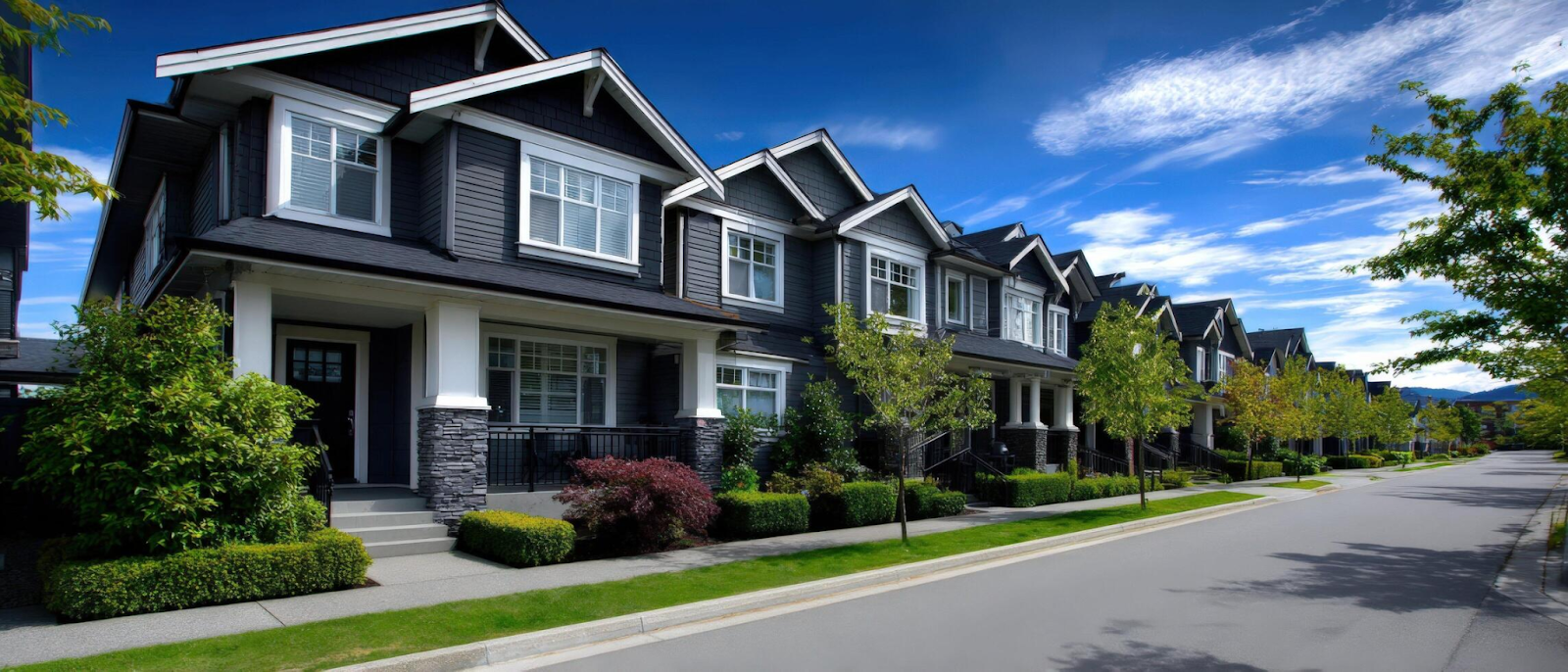
The physical state of a neighbourhood says a lot about social control and the attention that residents and the municipality pay to safety. This is called the Broken Windows Theory in criminology.
- Maintenance of public spaces: Is graffiti removed quickly? Is public green space properly maintained? Broken lampposts or litter behind can indicate a lack of supervision.
- Neighbouring security: Look at the houses in the street. Do many homes have cameras, alarm systems or extra heavy locks? Although this is good preventively, an excess of security can also be a sign that burglaries in that street are common.
- Road safety: For families with children, this is crucial. Are there thresholds, pedestrian crossings and separate bike lanes? Do people drive way too fast in the street?
The social barometer: Neighbourhood prevention and Whatsapp
A neighbourhoodwhere people know each other is statistically safer. Social control is the best prevention of theft.
- Whatsapp neighbourhood prevention: Look for the “WhatsApp neighbourhood prevention” signs in the street. This is a strong sign that residents are alert and attentive to each other. You can often find out how active these groups are online.
- Nextdoor and local Facebook groups: Sign up (temporarily) for neighbourhood apps such as Nextdoor. Here you can quickly see what residents are concerned about. Are there often warnings about suspicious persons or package thieves? Then you know what's going on.
Talk to the experts: Neighbours
The best source of information is the people who already live there. During a viewing or a walk through the neighbourhood, meet a resident who walks the dog or works in the garden.
Ask specific questions:
- “How long have you been living here and how do you like the neighbourhood?”
- “Do you feel safe walking down the street here at night?”
- “Are there specific places in the neighbourhoodthat you'd rather avoid?”
- “Is there a lot of contact between the neighbours in this street?”
Most people are honest about their neighbourhood, especially when they know you're a potential new neighbour.
Future developments: The zoning plan
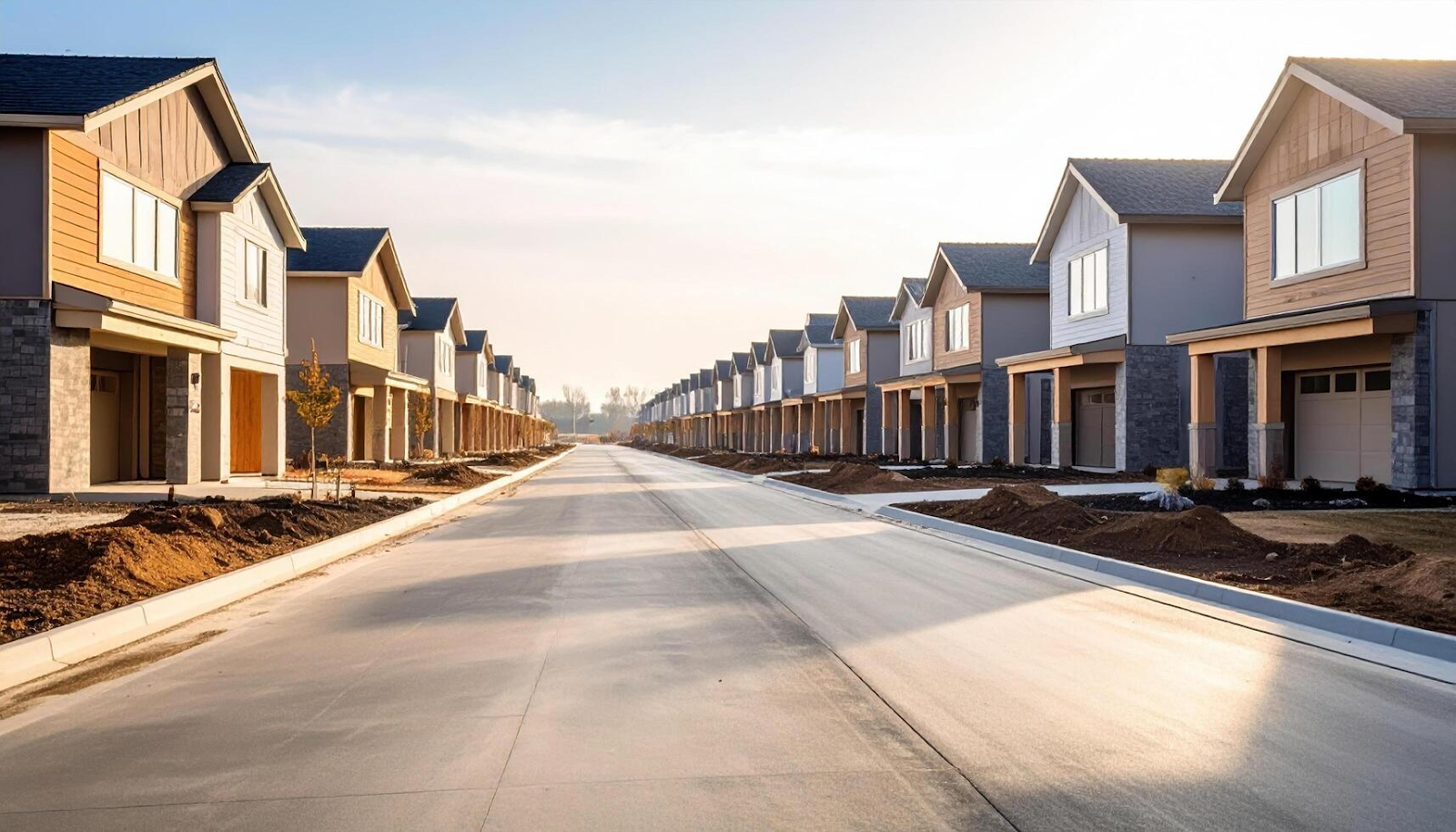
Safety is not only a matter of the present, but also of the future. A safe, quiet street can change if major infrastructural changes are planned.
Check with the municipality if there are plans for:
- New reception locations or large-scale social housing: Although this does not in itself mean insecurity, it can change the dynamics of a neighbourhood.
- New roads or event areas: This can affect road safety and noise pollution.
Note the “Child-friendliness”
Even if you don't have children, this is a good indicator. Where children can play outside safely, there is usually low traffic intensity, good social control and residents who feel involved with their environment. A street full of chalk, bicycles and well-maintained playgrounds is almost always a safe choice.
Intuition: Trust the data and your gut
Assessing neighbourhood safety is a sophisticated combination of rational research and personal instinct. Use the available data from the police and the Land Registry to list the objective facts, but let your own experience on the ground be the final deciding factor. If you're still feeling uneasy after three visits at different times, the location is probably not right for you, regardless of the architectural beauty of the property.
Safety is the ultimate investment in your peace of mind. Give yourself time to really understand your future living environment before you sign the purchase contract.