February 8, 2026
How can short-term contracts help expats with flexible housing?
12/7/2023
February 8, 2026
February 8, 2026

In the changing legal landscape of 2026, the dynamic between landlords and international tenants has drastically changed. Previously, temporary leases were the norm in Dutch cities, but stricter regulations concerning rent protection have dealt the cards again. Nevertheless, short contracts ranging from six months to two years remain an essential tool for the expat community. For an international professional who comes to the Netherlands for a specific project, a diplomatic mission or a probationary period, a short-term contract offers the necessary flexibility that a permanent contract often lacks.
Although the government will prefer indefinite contracts in 2026 to increase housing security, there are specific exceptions and structures that make short contracts very attractive for expats. In this article, we analyse why these short-term agreements are often the perfect match for the international lifestyle and business realities of 2026.
Flexibility in an uncertain global labor market
The modern expat in 2026 is more mobile than ever. Companies more often work with project-based secondments where the length of stay depends on the success of an implementation or a specific market launch.
A short-term contract fits in seamlessly with this uncertainty. When an expat signs an indefinite contract, he is often stuck with a minimum rental period of twelve months. Short contracts, if properly drawn up under the specific exception rules of 2026, offer the possibility to leave without sky-high fines or complex termination procedures if the assignment ends prematurely. For the expat, the home therefore acts as an extension of business flexibility; people only pay for the period that they actually need to be present in the Netherlands.
The diplomatic clause: Security for both parties
One specific type of short contract that gained popularity in 2026 is the contract with the so-called “interim rental clause” or diplomat clause. This is ideal for expats who rent a home from an owner who has temporarily moved abroad himself.
- For the tenant: It offers access to fully furnished, high-quality homes that are often located in the most desirable neighborhoods. Because the owner intends to return, the home is usually better maintained and more fully equipped than a standard rental property.
- Legal clarity: In 2026, the rules surrounding this clause were tightened. It offers the expat the certainty that the due date is fixed, which correlates perfectly with their own visa duration or work contract. There are no vague extensions; both parties know exactly where they stand, which minimizes the administrative burden for the expat.
Furnished 'Turn-key' solutions
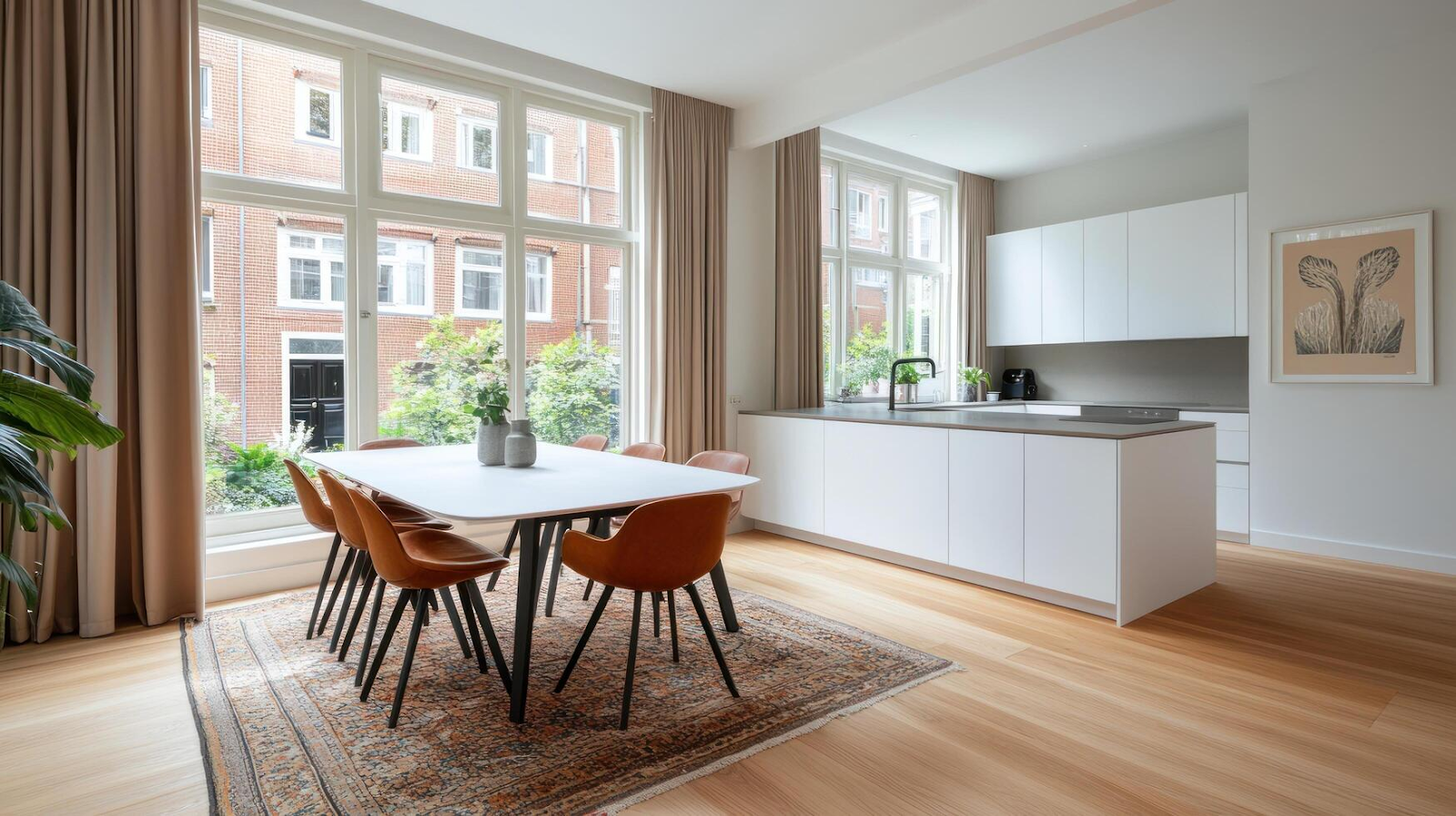
In 2026, short contracts almost always go hand in hand with furnished or upholstered homes. For an expat who lands at Schiphol with only three suitcases, the speed of moving in is crucial.
Renting a home for six months including furniture, internet and utilities not only saves the expat thousands of euros in moving costs and purchasing household effects, but also the bureaucratic red tape of concluding individual contracts with energy suppliers. In a market where waiting times for installing fiber or delivering a sofa set may increase in 2026, the short, turn-key agreement offers a direct start to Dutch life. The higher monthly price is accepted by the expat (or their employer) as a “convenience premium”.
The home as a test phase for permanent settlement
Not every expat knows when they arrive in which city or district they want to settle permanently. In 2026, a short-term contract is often used as a strategic “trial period”.
An expat can choose to stay in a short-stay apartment in Rotterdam for the first nine months to get to know the city, without the pressure of a long-term commitment. During this period, the international employee can explore the local housing market, visit schools for the children and experience the journey time to work. Here, the short contract serves as a safety buffer against the wrong choice of home. Once the expat is sure of his place, he can look for a long-term home from a stable basis or even buy it.

Cost control and employer compensation
Many relocation packages from multinationals in 2026 provide for a temporary housing allowance. These budgets are often linked to specific periods.
Short contracts make it easier for the expat to account for these fees to the HR department. Because the end date of the lease is often in sync with the evaluation of the foreign placement, the costs remain manageable and transparent. In addition, the short contract prevents an expat from remaining personally liable for rent if the employer decides to move the position to another country. In the fast-paced business world of 2026, the absence of long-term financial liabilities is one of the international professional's biggest assets.
Access to the 'Short-stay' market
Traditional private rentals have been curbed since the 2024 and 2025 legislative changes, but the professional short-stay sector grew in 2026. These providers specifically focus on the expat with contracts between 1 and 6 months.
This form of living lies between a hotel and a regular rental house. For the expat, this offers the advantage of hotel facilities (such as cleaning and a reception) combined with the privacy and kitchen facilities of a real home. Because these contracts can often be canceled weekly or monthly after a minimal period, they offer ultimate freedom. This is particularly beneficial for expats who are awaiting the final completion of a home for sale or the approval of their permanent residence papers.
Short contracts in 2026 are therefore far from being a second-rate option; they are the backbone of a successful international career. They offer the opportunity to switch quickly, control costs and discover the Dutch market at your own pace, without the burden of an entrenched rental history.