February 7, 2026
How connected is Dordrecht transport?
23/12/2022
February 7, 2026
February 7, 2026

In 2026, Dordrecht, Holland's oldest city, will be much more than a historic attraction; it's a vital transport hub in the heart of the Dutch delta. Located on the border between the Randstad and the Brabant city district, Dordrecht acts as an indispensable link for both commuters and logistical flows. At a time when sustainability and efficiency are key, the city has radically modernized its infrastructure in recent years.
From the fast water buses to Rotterdam to the ambitious renewal of the railway along the “Old Line”: Dordrecht's connectivity will be more versatile than ever in 2026. We look at the different layers of this transport network.
Rail: The region's backbone
In 2026, Dordrecht station will be one of the busiest junctions in South Holland. Rail connectivity is essential for the tens of thousands of people who travel between major cities every day.
- The old line: The connection between Leiden and Dordrecht is currently subject to a billion dollar investment. This project, which will reach a crucial phase in 2026, is intended to increase the frequency of trains. The ambition is that a train will eventually run over this route every five minutes.
- New Leerpark campus station: At the beginning of 2026, the construction of the new Campus Leerpark/Health Park station was confirmed. This station will directly open up the area around the hospital and educational institutions, reducing the pressure at the central station.
- Direct connections: From Dordrecht, you will be centrally in Rotterdam within 15 minutes and Breda within 25 minutes. The connection to Tilburg and Eindhoven also makes Dordrecht a strategic place to live for those who work in North Brabant.
The water bus: Transport with a view
Nothing characterizes Dordrecht's connectivity like the water bus. While the motorways around the Drechtsteden are often clogged, the water offers a reliable and fast alternative.
- Line 20 to Rotterdam: This is the most popular connection. In 2026, the ships will sail more often than ever, with the crossing to the Erasmus Bridge in Rotterdam taking approximately 30 to 40 minutes. For commuters, the Waterbus is not only a means of transport, but also a place to work thanks to the excellent Wi-Fi facilities on board.
- Weekend promotions: When maintaining bridges (such as the Bridge over the North in early 2026), the Waterbus is often used as a primary alternative with discounted rates, underlining the flexibility of the network.
- Drechtsteden network: The water bus seamlessly connects Dordrecht with Zwijndrecht, Papendrecht, Hendrik-Ido-Ambacht and Sliedrecht, making the region one major urban zone.
Road traffic and the Zero Emission Zone
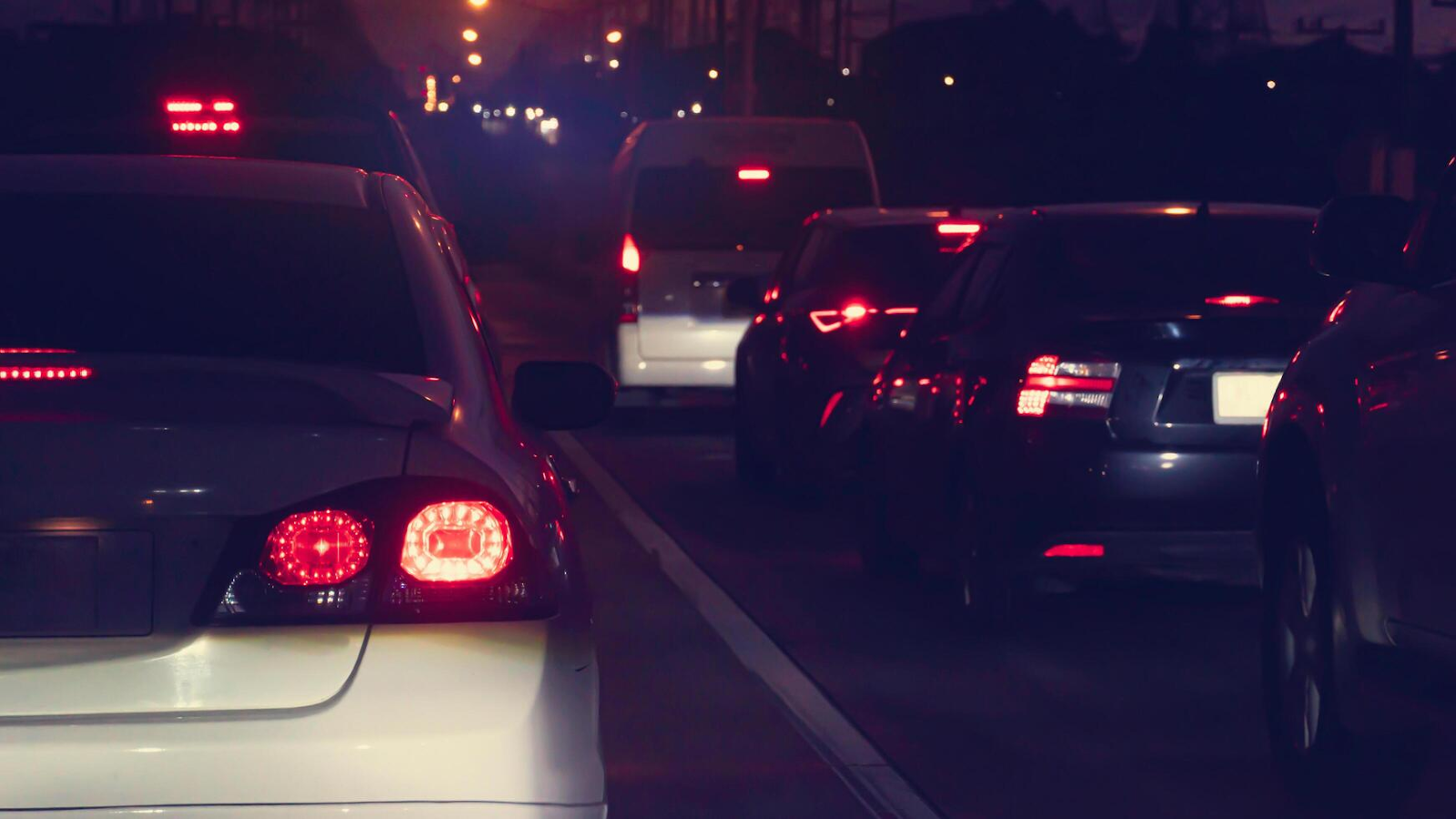
For car and truck users, 2026 is a year of major changes in Dordrecht. The city balances between an excellent location on the A16 and A15 and the need for a cleaner living environment.
- The Zero Emission Zone (ZEZ): As of 1 October 2026, Dordrecht will introduce a zero emission zone for freight transport in the city center. This means that business vans and trucks in the zone along the Riedijk, Spuihaven and Kalkhaven are no longer allowed to produce emissions. This is forcing the logistics sector to accelerate electrification.
- Strategic location: The A16 (Rotterdam-Antwerp) and the N3/A15 (Rotterdam-Nijmegen) intersect near Dordrecht. Despite the structural hustle and bustle at the Moerdijk Bridge, Dordrecht remains the logistical distribution point of the Western Netherlands.
- Parking and P+R: In 2026, the city will focus heavily on discouraging car traffic in the historic center. The P+R locations on the outskirts of the city, such as Weeskinderendijk, are connected to frequent shuttle buses and shared mobility (e-bikes and shared scooters).
Travel times from Dordrecht (Estimated 2026)
Dordrecht is well connected to several major destinations through different transport options. Rotterdam Central Station can be reached quickly by Intercity train in about 14–18 minutes, with a frequent service of 4–6 trains per hour, making it one of the most convenient routes. Travel to Breda takes slightly longer, with Sprinter trains averaging 24–26 minutes and running twice per hour. For travel toward Gorinchem, the R-net train connection provides a journey time of around 28 minutes with four departures per hour, offering reliable regional connectivity.
Alternative travel options also exist beyond regular train routes. The Water Bus to the Erasmus Bridge in Rotterdam offers a scenic journey that takes approximately 35–40 minutes, operating twice per hour and providing a unique commuting option via the river. For international travel, Antwerp can be reached by car via the A16 highway in roughly 55–65 minutes, although the exact travel time depends on traffic conditions. This combination of rail, water transport, and road connections makes Dordrecht a well-linked city for both regional and cross-border travel.
Sustainable mobility and sharing systems
In 2026, the “last mile” of the trip in Dordrecht will increasingly be green. The connection does not stop at the station or stop.
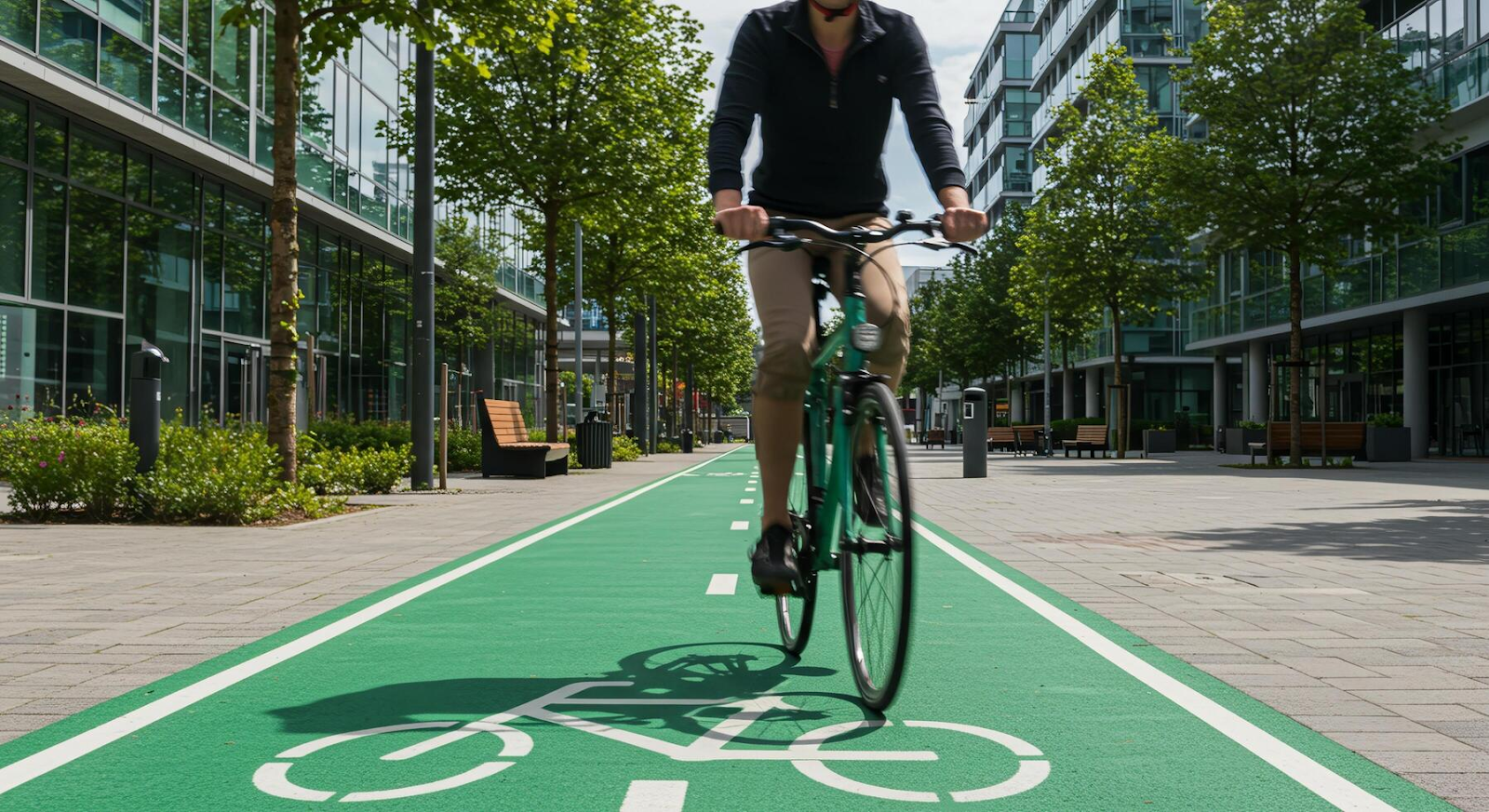
- Bicycle highways: Significant investments have been made in the F16 fast cycle route (Dordrecht-Rotterdam). For the modern e-biker, this is a serious competitor to the train and car.
- Shared mobility: In 2026, you will find hubs for bike sharing and electric scooters around the station and the main squares in the city center. The municipality of Dordrecht encourages the use of these systems via integrated apps (MaaS - Mobility as a Service), which allow you to plan a trip from the Waterbus to a shared scooter in one action.
- Dordrecht seaport: Transport is also becoming cleaner at an industrial level. In 2026, the seaport will focus on the electrification of quay facilities and a shift from road transport to inland navigation, which should alleviate the pressure on local roads.
The challenges of 2026
Despite the high level of connectedness, Dordrecht also has challenges. The work on the railway and the various bridges will regularly cause obstructions in 2026.
- Track maintenance: In the summer of 2026 (especially in July), large-scale work will take place between Rotterdam and Dordrecht, with buses temporarily taking over train traffic. This shows how vulnerable the connection is when used intensively.
- Social safety: In 2026, the renovation of Dordrecht Station will not only focus on capacity, but also on social safety. Better lighting, more supervision and a more modern look should make the station environment more attractive for all passengers.