February 5, 2026
How can families find a spacious home affordably?
7/6/2022
February 6, 2026
February 6, 2026

For many families, the search for a home in 2026 is quite a challenge. The wish is clear: enough bedrooms, a place for the children to play and preferably a garden or terrace. The reality of the current housing market, however, is that prices per square meter are reaching record highs in major cities.
However, finding a spacious family home at an affordable price is not an impossible task. It requires a shift in strategy: from looking for a “ready-to-go” dream home in the most popular locations, to recognizing potential in places where others aren't looking yet. Here are the smartest ways to get more space for your budget.
The “N-1” strategy: Just outside the popular neighborhood
In the real estate world, we often see that prices fall abruptly as soon as you cross a certain municipal or neighborhood border. This is what we call the N-1 strategy: do not look in the most popular neighborhood (N), but in the neighborhood that borders it directly (N-1).
- The overflow: Often, the facilities (schools, parks, shops) of the expensive neighborhood are still within cycling distance, while housing prices in the neighboring neighborhood are 15% to 20% lower.
- Future value: Neighbourhoods that border on top locations are often the first places where prices will rise (gentrification). So you not only buy more affordably, but you often also build up capital more quickly.
Look at the “Forgotten” construction periods
Not every decade is equally popular among home seekers. In 2026, 1930s homes (because of the atmosphere) and modern new buildings (because of the energy label) will be the most expensive.
- The decent 70s: Homes from the 70s are often the best buy for families. Why? They were built at a time when land was still cheap, resulting in surprisingly spacious living rooms and deep backyards. In addition, these houses are often straighter and more practical than older buildings.
- Potential: Although they are sometimes somewhat dated from an aesthetic point of view, they offer a fantastic basis for creating a modern, spacious family home with a limited renovation budget.
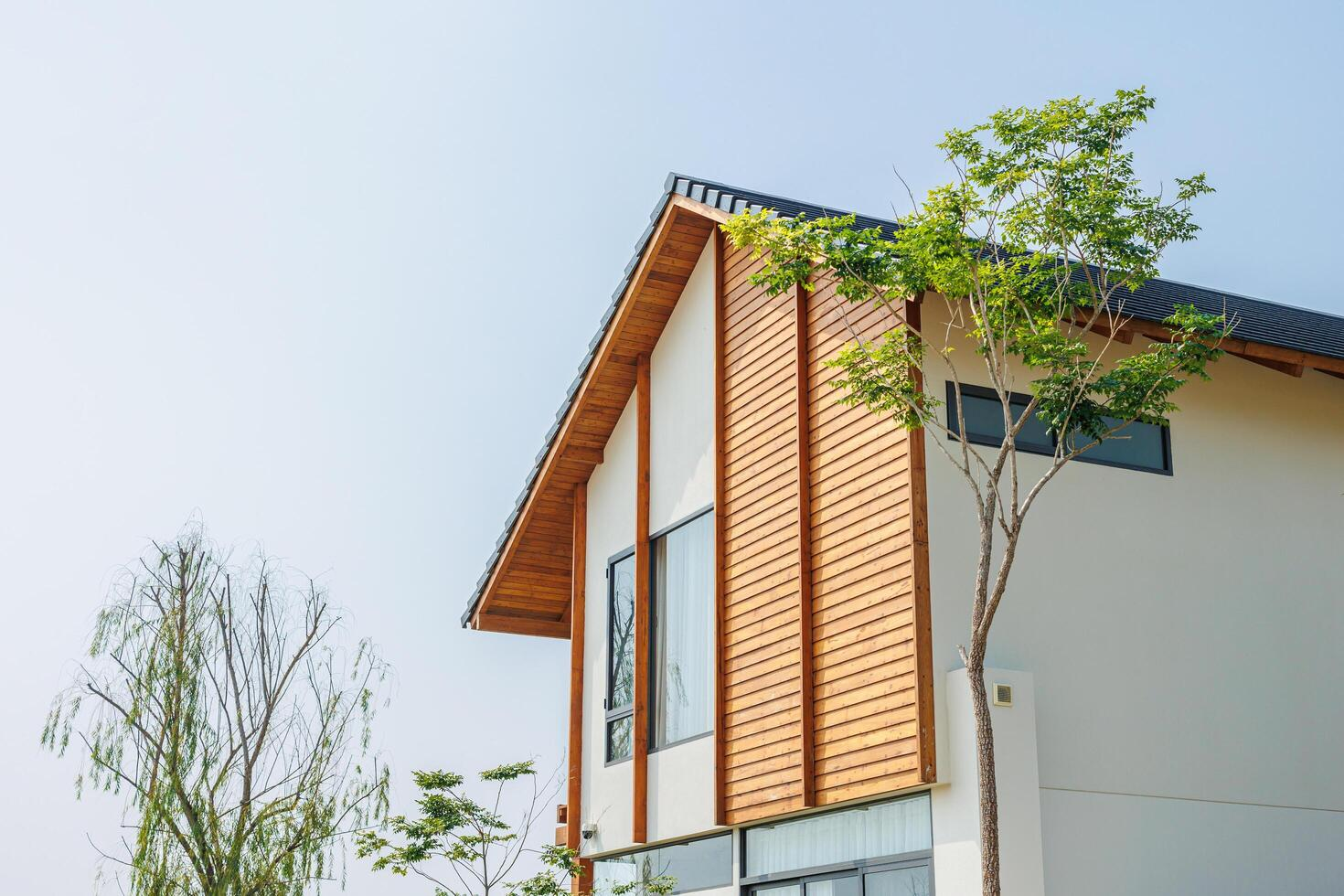
“Vertical growth”: Houses with expansion options
Sometimes you should not look at the space that is there, but at the space that can be created. A 100 $m^2$ home with an unused loft or a spacious garden can grow to 130 $m^2$ with the right adjustments.
- Dormers and roof structures: In many post-war neighborhoods, you can install a dormer window without a permit or with a light permit. With it, you can turn a dark attic into two full-fledged children's rooms.
- Ground floor extension: A 2.5 meter extension across the full width of the house can transform the living room from cramped to spacious.
- Funding: In 2026, many banks will offer additional borrowing space for renovations that increase home values. The costs of an extension are often lower than the additional cost of a house that already has those extra meters.
The “Randgemeenten” and the 15-minute train connection
With the rise of hybrid working in 2026, you no longer have to be in the office every day. This opens the door to cities and towns that are just a little further away but have an excellent train connection.
- The math: For the price of a small three-room apartment in Amsterdam or Utrecht, you can buy a spacious family home with four bedrooms and a garage in cities such as Almere, Amersfoort, Arnhem or parts of Groningen.
- Travel time versus living space: If you work from home three days a week, a journey time of 45 minutes on the other days is often an acceptable sacrifice for the enormous living benefits for your children.
De kluswoning: Sweat-equity
This is not an option for families with two left hands, but for the go-getters, the DIY home is the fastest route to a big house. Homes with a dated interior, a “dirty” carpet or a kitchen from the 80s scare off 80% of buyers.
- Less competition: Because most people want a house ready to move in by 2026 (due to high construction costs), there is less competition in the DIY market.
- Doing it yourself saves: By demolishing, painting and laying laminate yourself, you immediately add value to your home without having to pay a contractor. We call this “sweat equity”.

Search for homes with a poor energy label (and fix it)
This sounds counterintuitive, but in 2026, homes with energy labels E, F or G will often be sold at dump prices because people are afraid of energy costs.
- Subsidies: Huge subsidies (ISDE subsidy) will be available in 2026 for families who insulate their homes.
- Loan area: You can borrow extra money on top of your mortgage in 2026 if you specifically use it for sustainability.
- Strategy: Buy that spacious house labeled G at a low price, use the extra loan space and subsidies to insulate it to label A, and you'll have a spacious, modern home at a lower total monthly cost than a comparable home that already had an A-label.
Collective Private Commissioning (CPO)
More and more families in 2026 are joining forces to start a construction project with other families. At CPO, you and your future neighbours are the project developer.
- No profit margin: Because there is no commercial project developer among them who wants to make a 15% to 20% profit, you build at cost.
- Customized layout: From the drawing board, you can make the house as big as your budget allows, with shared facilities such as a large shared garden or a children's play area.
The crux: Dare to color outside the lines
Finding a spacious family home in 2026 requires creativity and vision. It's about recognizing the “rough diamond”: that 1970s house with the deep garden, that house in the up-and-coming neighborhood, or the building with the potential for a roof structure.
By focusing not on what a house looks like now, but on what it can become, and by broadening your search area to easily accessible suburbs, you can create the space they need for your family without having to financially clamp yourself down.