February 8, 2026
How can expats prevent rental fraud?
6/7/2023
February 8, 2026
February 8, 2026

In the overheated Dutch housing market of 2026, the search for a rental home for expats is a race against time. Unfortunately, bad actors know how to exploit this urgency and the often limited local knowledge of newcomers. Rental fraud has become more sophisticated; from AI-generated photos of dream apartments to fake brokers who operate via legitimate-looking websites. For an expat trying to get a home from abroad, the risk of losing thousands of euros in deposit on a home that does not exist is greater than ever.
Recognizing the red flags and following a strict verification process are the only ways to navigate safely. In this article, we'll discuss the most common methods of scammers in 2026 and how to protect yourself from them.
The psychology of the “Too good to be true” ad
Scammers lure their victims in 2026 with advertisements that perfectly meet the needs of expats: a beautifully decorated apartment in a prime location in Amsterdam, Utrecht or Rotterdam at a price just below the market average.
When a home is 20% to 30% cheaper than comparable properties in the same street, you should be alert immediately. In the current market, landlords have no reason to offer their homes below market prices. These ads are often placed on social media groups or free marketplaces where controls are less stringent than on official platforms such as Funda or Pararius. Scammers often use stolen photos from Airbnb listings or real estate websites from other countries to create an illusion of luxury.
The “Foreign excuse” and the absence of viewings
One of the most classic red flags in 2026 is the landlord who claims to be temporarily staying abroad for work or family circumstances. As a result, a physical viewing is supposedly not possible.
The scammer often suggests sending the keys via a courier service or via a fake intermediary from a known platform (such as a forged Airbnb or Booking.com link) once the first month's rent and deposit have been transferred. In the Netherlands, however, it is standard that you, or someone on your behalf, physically enter the home before transferring money. If a landlord is pressuring you to pay immediately without you having been inside, stop contact immediately.
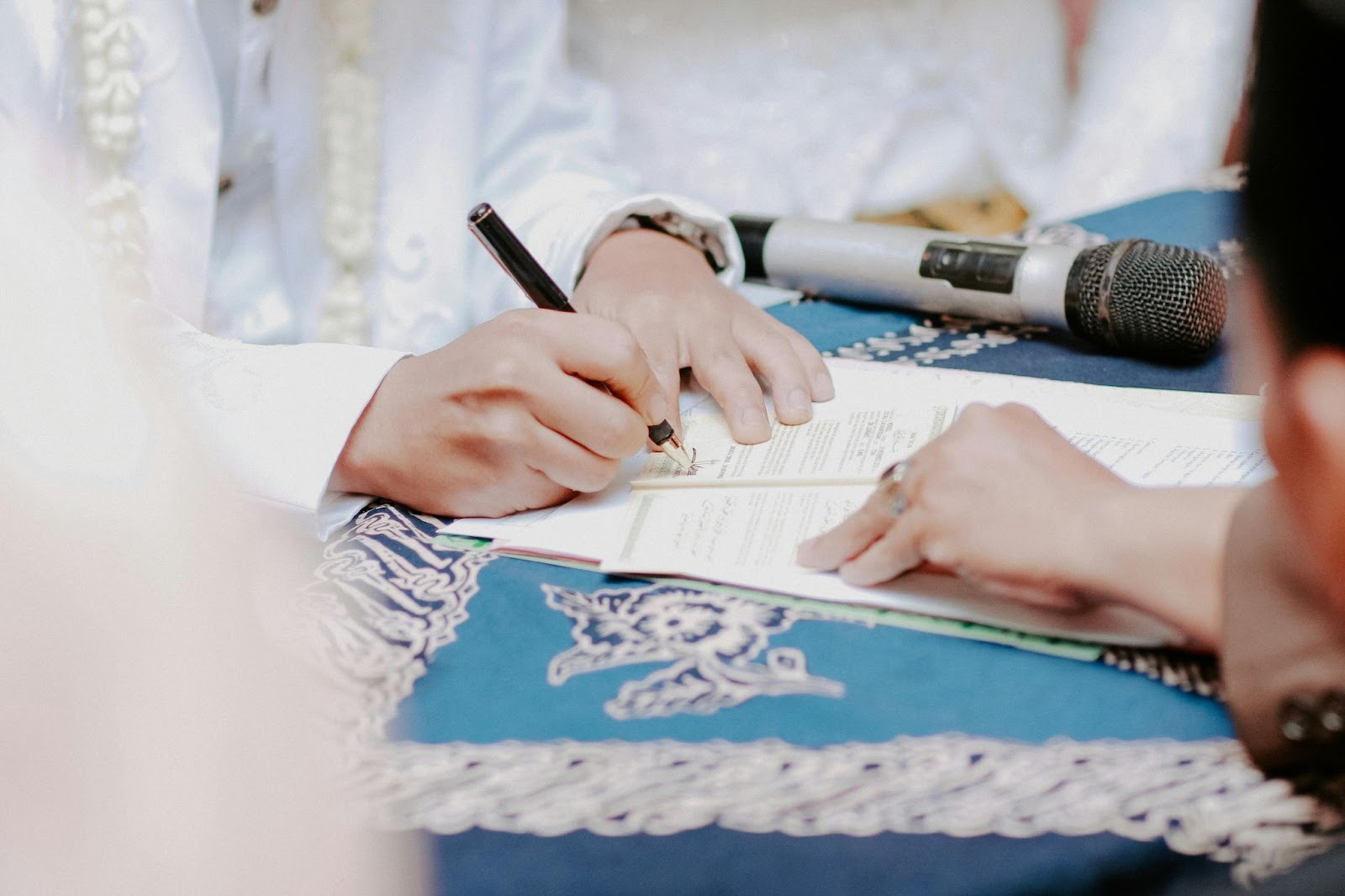
Verification of ownership via the cadastre
A powerful tool that many expats overlook in 2026 is the Dutch Land Registry. For a small fee (less than €5), you can request online who is the official owner of a specific address.
Does the name of the person pretending to be a landlord not match the name in the Land Registry? Then ask for an explanation. Although homes are sometimes rented out through management companies, the link between the person you're talking to and the owner must be traceable. Scammers sometimes rent a home themselves via a short-stay platform for a few days, pretend to be the owner, organize mass shootings and collect deposits from ten different victims before they leave with the northern sun.
Unsafe payment methods and digital urgency
The way you're asked to pay is often the biggest contributor to fraud. In 2026, legitimate hosts will ask for a bank transfer to a Dutch or European IBAN number in the name of the company or owner.
Scammers often push for payment methods that are hard or impossible to reverse, such as:
- Crypto payments: Irreversible and anonymous.
- Cash transfers (Western Union, MoneyGram): A method that a professional landlord will never use.
- Payment requests via WhatsApp: Sometimes disguised as a one-cent verification step, but actually meant to access your bank details.
Never pay via such channels and be extra suspicious if payment is rushed under the guise of “other hijackers on the coast”.
Check the broker and website
Not only private individuals, but also fake brokers will be active in 2026. A professional-looking website was built in an afternoon in the time of AI tools. Therefore, always check whether the broker is affiliated with an industry organization such as the NVM, VBO or Vastgoedpro.
Also check the KvK registration (Chamber of Commerce). A legitimate company must be registered in the trade register. Scammers often copy the details of a real existing company but change the phone number and email address. Call the phone number listed on the trade association's official website to verify that the ad is actually theirs.
Engage local expertise
For expats who are not yet in the Netherlands, hiring a buying or renting agent is the best insurance against fraud. A local expert knows the prices, the neighborhoods and the parties that are active in the market.
In 2026, many brokers offer a “verification service” where they do a viewing for you at a fixed rate and check the landlord's legal background. This may cost a few hundred euros, but it does not outweigh the loss of a deposit that is often between €3,000 and €5,000 in the Randstad in 2026. If you don't want to hire a real estate agent, ask a friend or colleague who already lives in the Netherlands to visit the address to see if the property is actually for rent.
Rental fraudsters are counting on expatriates' fear of not finding a home. By staying rational, doing your own research and never transferring money without physical proof, you can prevent your Dutch dream from turning into a financial nightmare.