February 7, 2026
Green oases in the city: A guide to Zoetermeer's parks and nature reserves
1/1/2023
February 7, 2026
February 7, 2026

Zoetermeer is often associated with its modern skyline, SnowWorld and the bustling city center. However, if you visit the city in 2026, you will soon discover that “Sweet city” is one of the greenest cities in the Randstad. The city was designed with the concept of “green fingers”: from the center, wide green areas run deep into the surrounding nature reserves. Whether you're looking for an adventurous play forest for the kids, an expansive forest for a long bike ride, or a tranquil park for a Sunday walk, Zoetermeer offers a surprising diversity of nature.
In this article, we explore Zoetermeer's most important green spaces, ranging from historic city parks to robust new nature reserves.
The westerpark: Recreation on a large scale
With its 150 hectares, the Westerpark is the largest and most versatile park in Zoetermeer. It is often referred to as a city park, but the scale is that of a gigantic recreational area.
- Landscape diversity: Here you will find a mix of forest, open sunbathing areas and large water features. For nature lovers, the Nature Garden is an absolute must; an area where various Dutch landscapes (such as a sawa, pilot and fields) have been recreated in miniature.
- Activities: The Westerpark is the place where relaxation and action come together. There is an 18-hole golf course, a bowling center and, for the youngest visitors, the Westerpret outdoor playground.
- Sailing and walking: You can rent rowing boats and water bikes to explore the park from the water, or use the many miles of paved and unpaved trails for a brisk walk.
The neighborhood park: Rough and hilly
On the northwest side of the city is the Buytenpark, an area with its own character. This park was partly built on a former rubble dump, resulting in height differences that are unique to the Netherlands.
- Highlights and views: From the 22 meter high hills, you have a spectacular panorama of the skyline of The Hague and the Nieuwe Driemanspolder.
- Grazers: To keep the area “wild”, the Buyten Park is grazed by Exmoor ponies and Scottish cattle (Galloways). This gives the walk an adventurous touch, because you can just meet the animals on the trail.
- Mini climate: Due to the location and the rubble soil, a specific mini-climate has been created, which means that there are special plants and butterfly species that you will not easily see elsewhere in the region.

Het bentwoud: The forest in development
The Bentwoud lies between Zoetermeer and Waddinxveen, the largest contiguous forest area in the Randstad. Although the forest is relatively young (construction started around 2000), it will really begin to take on the contours of a 'forest' in 2026.
- Space for rest: The Bentwoud is the perfect place for those who really want to leave the hustle and bustle of the city behind them. The trails are wide and the area is so extensive that you can wander for hours without meeting many people.
- For the kids: In the Bentjungle play forest, children can climb, clamber and build huts to their heart's content. There is also a leprechaun trail for the little ones.
- Nature value: Despite the area's young age, rare birds such as the bittern and the marsh harrier have already been spotted.
De Balij and the Bieslandse Bos
On the southwest side of the city, you will find the Balij, a forest that was originally built for the 1992 Floriade. Together with the Bieslandse Bos, it forms a green connection to Delft.
- The floriade forest: This is the oldest part of the forest and offers beautiful mature trees and works of art along the trails.
- De Balijhoeve city farm: Located at the edge of the woods, this is a favorite stop for families. Kids can pet animals and learn about farm life here, while parents enjoy a cup of coffee on the patio.
- Speelbos de Balij: One of the most popular play forests in the region, where water and mud play a central role. Getting dirty is the goal here!
The green 'Fingers': Parks in the neighbourhood
In addition to the large nature reserves on the outskirts of the city, Zoetermeer is full of smaller parks that serve as green lungs for the neighborhoods.
- The wilhelminapark: The oldest park in the city, located near the historic Dorpsstraat. It is a classic park in English landscape style, ideal for a leisurely walk among the old trees and the pond.
- Mayor of Hoekstra park: Located in the Rokkeveen district, recognisable by the striking water tower. This park offers plenty of open space and large lawns, perfect for a summer picnic.
- The city garden and the float park: Right in the heart of the city, these parks form an oasis of peace between the shops. In 2026, the Dobbepark was further renewed with decking paths around the Dobbeplas, making the connection between the modern center and the old village center even greener.
Noord Aa and the new Driemanspolder
For lovers of water and vastness, the northern and western edges of the city are the place to be.
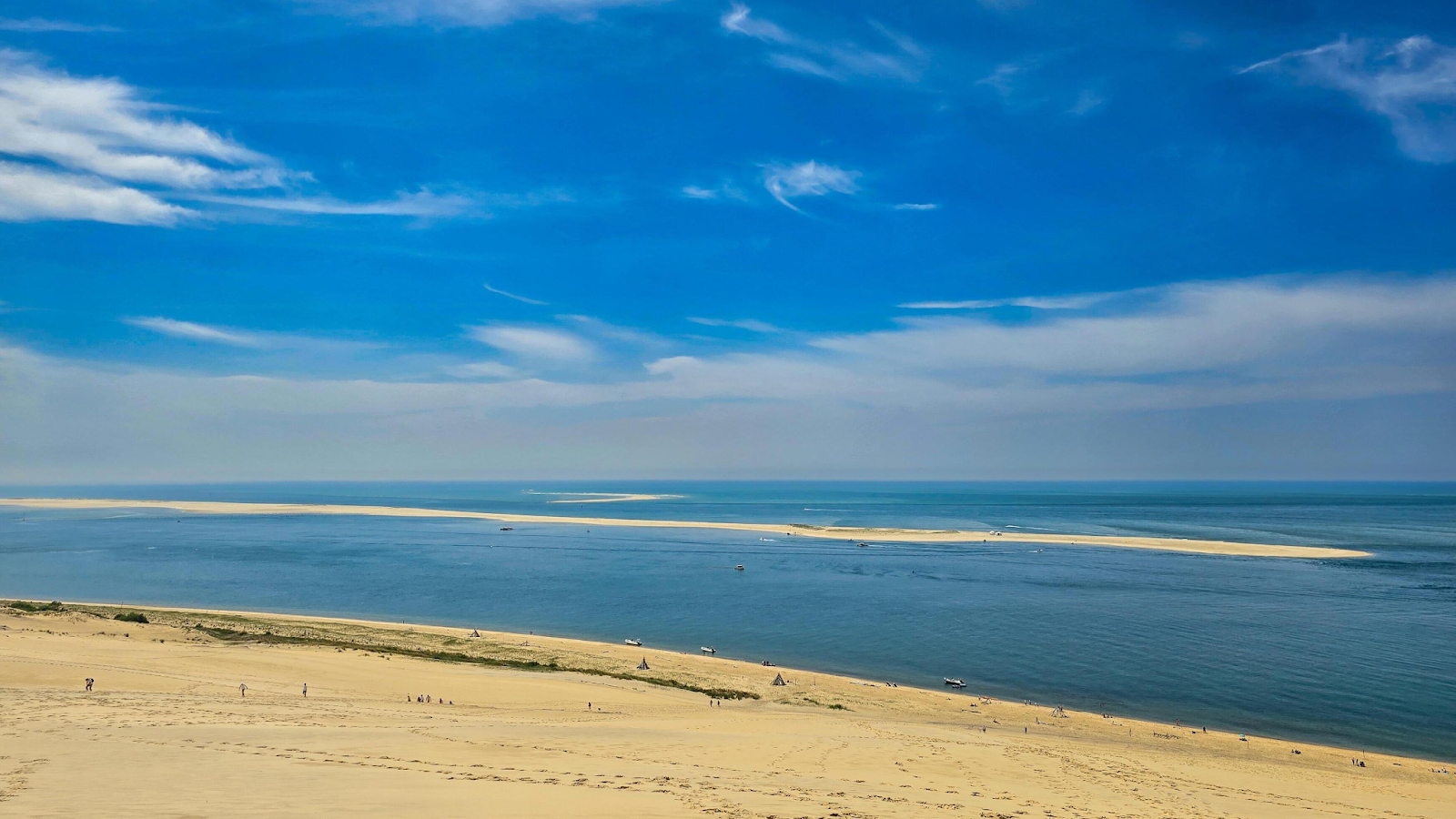
- North Aan: The Zoetermeerse Plas is the center for water sports. With a sandy beach and extensive sunbathing areas, this is the place to cool off on warm days. The surrounding polder areas, such as the Prielenbos, also offer excellent opportunities for bird watchers.
- New Driemanspolder: This area, completed in 2021, is an innovative combination of nature, recreation and water storage. It is an open landscape with many waterways, where countless bird species found their permanent home in 2026. The many cycle paths make it an ideal route for a trip to Leidschendam or Voorburg.
Sustainable management and future
In 2026, the municipality of Zoetermeer will focus heavily on ecological management. This means that you often see tall grass and flower meadows in the parks instead of tightly cut lawns. This policy attracts more bees, butterflies and insects, which improves biodiversity in the city. Many parks are also now connected via “fauna passages”, so that animals can move safely throughout the city.
The wealth of greenery in Zoetermeer is no coincidence, but the result of years of planning. Whether you're looking for the ruggedness of the Buytenpark or the cultivated beauty of the Westerpark Nature Garden, the city proves that urban development and nature conservation can go hand in hand.