

February 8, 2026
Cons: Address registration for newcomers
30/7/2023
February 8, 2026
February 8, 2026

In the Dutch bureaucracy of 2026, the Basic Registration of Persons (BRP) is the digital hub that everything revolves around. For newcomers, whether they are expats, migrant workers or refugees, address registration with the municipality is required by law within five days of arrival, provided that the stay lasts longer than four months. Although this registration is the “key” to Dutch society, there are significant drawbacks and obstacles to this process in 2026. The pressure on the housing market and increased administrative stringency have made address registration a complex stumbling block.
In this article, we highlight the drawbacks and practical disadvantages of the current address registration for newcomers to the Netherlands.
The housing market paradox: No address, no registration
The biggest disadvantage for newcomers in 2026 is the direct link between an official lease and the possibility of registration. In the overheated housing market, many newcomers are forced to temporarily stay under rent, via Airbnb or with acquaintances.
- Illegal restrictions by hosts: Many informal landlords prohibit registration at their address (often for tax reasons or to evade the cost-sharing standard). As a result, the newcomer ends up in an illegal situation: people live there but cannot comply with the legal registration obligation.
- No access to basic services: Without an officially registered address, you will not receive a Social Security Number (BSN). In 2026, this means that people cannot open a bank account, take out health insurance and, most wryly, are not allowed to work formally, even if a signed employment contract is ready.
Long waiting times and bureaucratic congestion
In 2026, many large municipalities such as Amsterdam, Utrecht and Eindhoven will face huge backlogs in the Civil Affairs departments. The mandatory physical appointment for the first registration has become a bottleneck.
Newcomers sometimes have to wait weeks, if not months, for a time slot before their first registration. During this waiting period, the person is in an administrative vacuum. You cannot start integrating, the children cannot be permanently enrolled in school in some places (because funding in 2026 is linked to the BRP registration), and you are not entitled to benefits or other social security. This “administrative break” causes great financial uncertainty and stress for families trying to build their lives in the Netherlands.

Financial consequences: Municipal taxes and fees
Address registration is not free in 2026; it immediately triggers a range of financial obligations that newcomers are not always prepared for.
Once someone is registered in the BRP, they are considered a taxpayer by the tax authorities and local tax authorities. This means that you receive bills for waste taxes, sewerage charges and water board taxes. Especially for newcomers staying in shared homes, this can lead to confusion and unforeseen costs. In addition, registration affects the main resident's taxes; if a newcomer registers with a friend or family member, they may lose their municipal tax discount for singles, which often leads to social tensions.
Privacy and data sharing in 2026
Although the government insists that the BRP is safe, many newcomers experience the mandatory registration as an invasion of their privacy. In 2026, the BRP was linked to hundreds of government agencies and semi-government institutions.
Once you are registered, your details (address, marital status, family ties) are accessible to the tax authorities, the police, pension funds, health insurers and DUO. For newcomers from countries with a less reliable government, this far-reaching central registration can arouse suspicion. In addition, any change in the personal situation, such as a temporary move, means a mandatory visit to the municipality. Failure to report a change of address in time can lead to substantial fines (up to €300) and the termination of vital services such as health insurance in 2026.
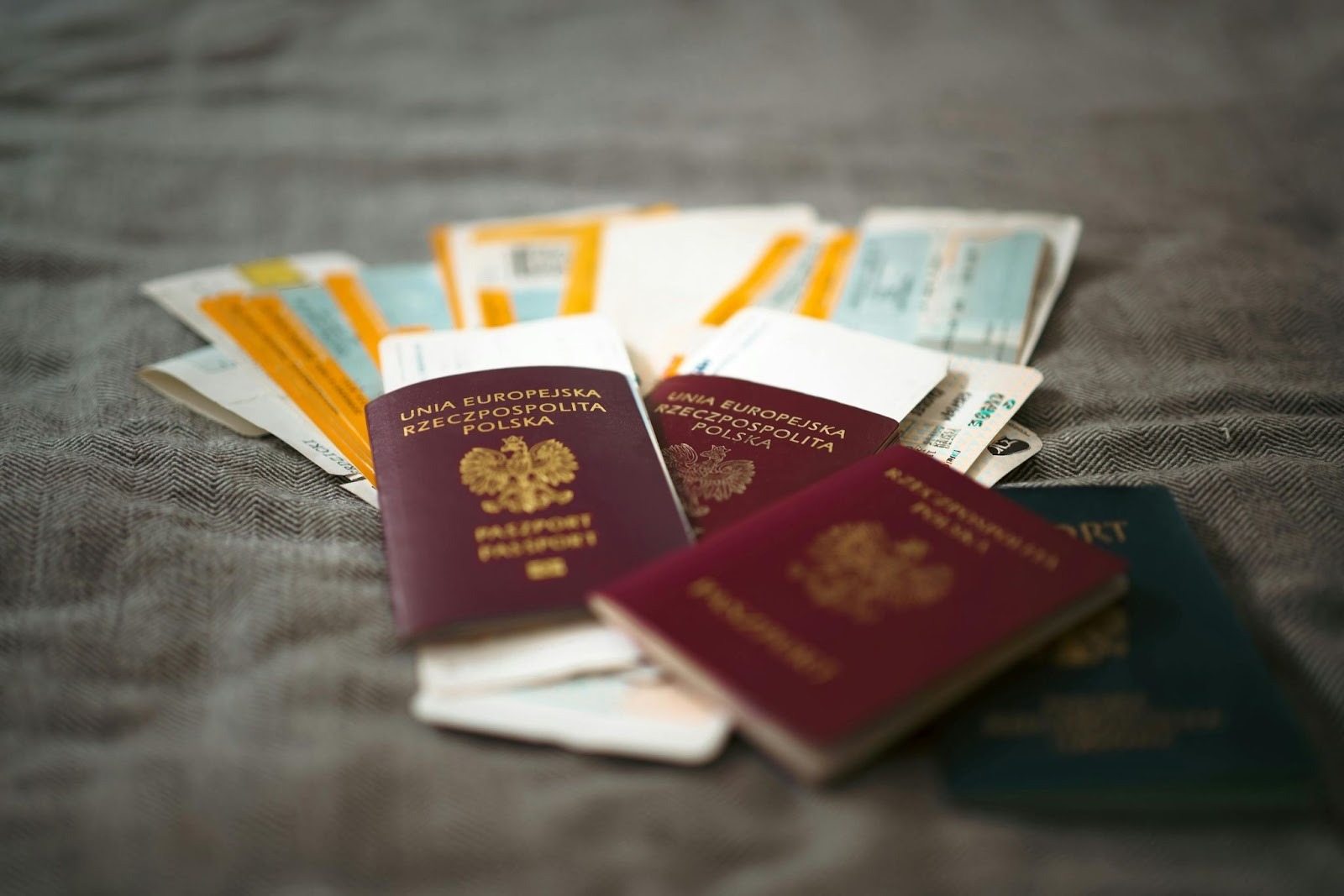
The complexity of international documents
Another disadvantage is the strict burden of proof that the municipality will ask for the first registration in 2026. It is not enough just to show a passport.
Newcomers often have to provide legalized or apostilled birth certificates and marriage certificates. If these documents do not comply with Dutch standards or if the translation has not been done by a certified translator, registration will be refused. For newcomers from conflict zones or countries with a slow bureaucracy, it can take months to obtain these documents. Without these documents, registration remains “incomplete”, which could lead to problems applying for an identity document or renewing a residence permit in 2026.
Risk of ex-officio deregistration
For newcomers who travel frequently or temporarily return to their home country, there is a danger in the 2026 address registration: the ex officio deregistration.
If, during an audit (for example, the National Address Quality Approach), the municipality suspects that someone no longer lives at the registered address, they can be deregistered with the status “Departed Unknown Where” (VOW). The consequences of this will be catastrophic in 2026: your DigiD will become unusable, your health insurance will stop immediately and your residence status may be at risk. Restoring an ex officio deregistration is a long and arduous process in which the newcomer must once again prove that he is lawfully residing in the Netherlands.
Address registration is therefore a necessary evil in 2026; a system that, on the one hand, offers access to society, but on the other hand is a source of bureaucratic pressure, financial burdens and strict control.


