

February 5, 2026
Buying your first home in 2026: The ultimate roadmap for starters
1/7/2022
February 6, 2026
February 6, 2026

Congratulations, you're at the start of one of the greatest adventures of your life. In January 2026, the housing market is still a challenging chessboard, but with the right strategy, it's absolutely possible to get your first place of your own. The rules have changed: we are no longer just looking at square meters, but at kilowatt hours, source data and the starter exemption.
In this guide, I'll walk you through the process step-by-step, from the first financial check to toasting your new front door.
Step 1: Your financial foundation (The source data check)
In 2026, a house hunt does not start with funda, but with your own digital data. The time of shoe boxes full of paychecks is over.
- Gather your source data: Use tools like Ockto or iWize. This allows you to immediately retrieve your UWV income data, your pension overview and your student debt with DUO.
- Know your limit: In 2026, banks will strictly take your energy label into account. For a home with label A++++, you can often borrow tens of thousands of euros more than for a home with label G.
- The starter exemption: Check that the home falls below the €555,000 limit. If you are under 35, this saves you 2% transfer tax. On an average home, that quickly amounts to €11,000 that you can put extra into your renovation or interior.
Step 2: The “Label focus” and search profile
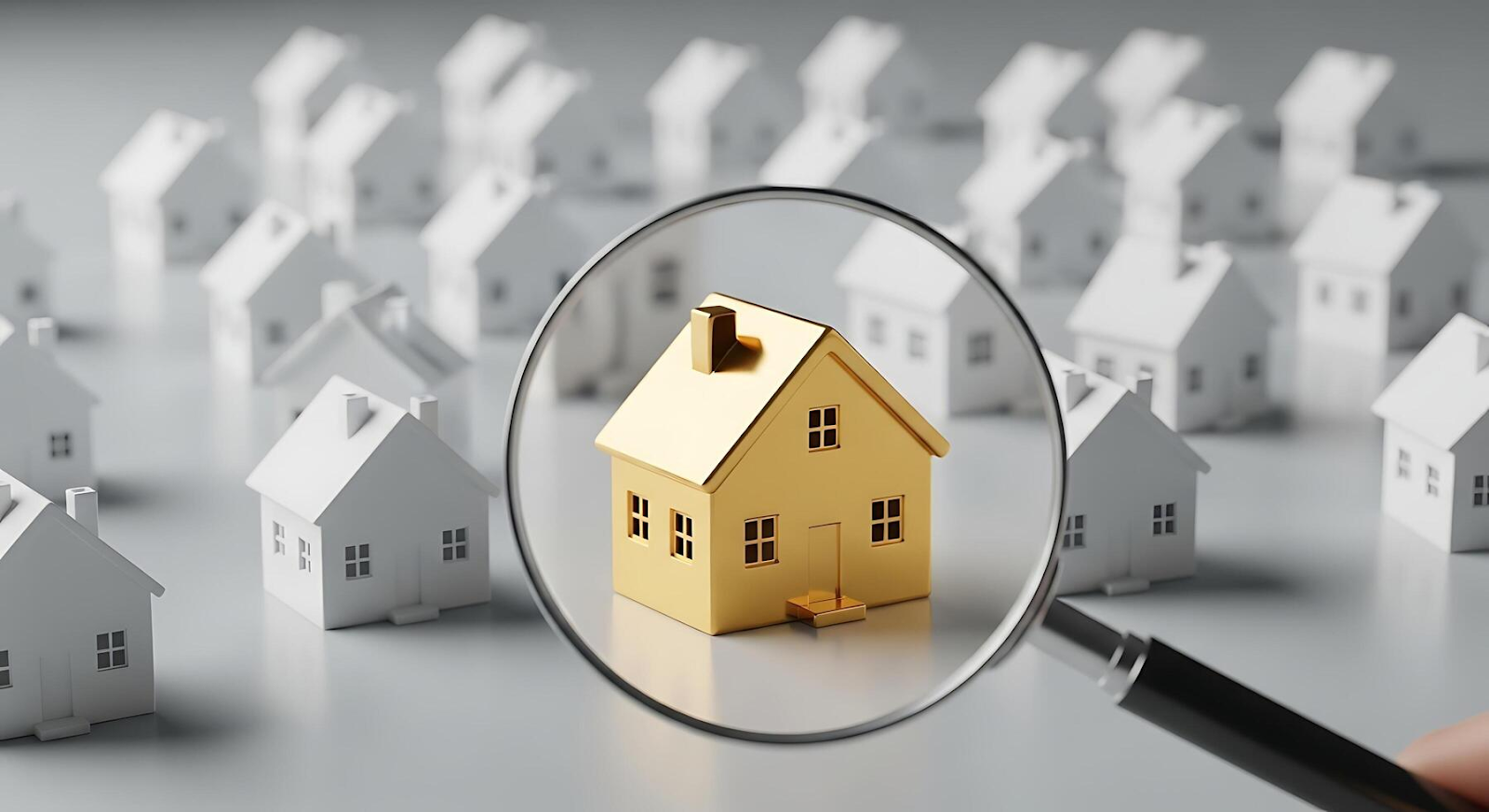
Now that you know what you can spend, the search begins. In 2026, the condition of the home will be secondary to the energetic potential.
- The label strategy: Don't just look at the color of the kitchen. A house with energy label C or D often offers opportunities in 2026, provided you reserve a budget for sustainability. Homes with label A or higher are popular and are heavily outbid.
- NHG limit 2026: Make sure you know the current limit of the national mortgage guarantee. This offers you a lower interest rate and a safety net in case of adversity.
Step 3: View with 2026 glasses
Did you find something nice? During the viewing, you need to be more critical than ever. The market has become more transparent, but the risks are greater.
- Foundation check: In 2026, information about the foundation is often already partly available via the national foundation counter. Ask the broker specifically about this.
- Structural inspection: Never save on this. In today's market, where the pressure is high, you don't want to be surprised by hidden defects in the heat pump or insulation system.
Step 4: Strategic bidding (Without emotion)
In 2026, the bid process will be almost entirely via digital bid logs. This makes the process fairer, but no less exciting.
- Set your maximum bid: Take into account the appraisal value. If you bid above the appraised value, you must make up this difference with your own money.
- Your friend's caveats are: Although the market is tight, we recommend that you always bid in 2026 subject to financing and a structural inspection.
Warning: Don't get hated. “Bidding without reservation” is a big risk in 2026, especially now that banks are setting stricter requirements for the energy state of the home before issuing a mortgage.
Step 5: The mortgage application 2.0
Your bid has been accepted! Now the real paperwork begins, which, fortunately, is becoming increasingly digital.
- Interest discounts: Ask your advisor about the “Green Discount”. Many banks will give an additional interest discount in 2026 if you buy a home with a high energy label or bring it to a higher label within two years.
- The valuation: In 2026, the appraiser will not only look at the location, but also weigh the sustainability costs heavily in the final report.
Starter cost overview (2026)
When purchasing a home valued at around €450,000, buyers should prepare for several upfront costs that usually need to be paid from their own savings. Transfer tax may be €0 for buyers under 35 if the property value is below €555,000, thanks to the starter exemption. However, other transaction-related costs still apply. Notary fees for the transfer and mortgage deed typically total around €2,000. Mortgage advice services often cost between €2,500 and €3,500, although some lenders or advisers offer reduced rates for first-time buyers.
Additional mandatory steps also add to the upfront expenses. A property valuation, including validation through organizations such as NWWI, generally costs about €800. Buyers may also need a bank guarantee for the deposit, usually around 1 percent of the purchase price, which would be roughly €450 if arranged through a guarantee service rather than paid directly. A structural building inspection is another important cost, typically around €550 in 2026, and is widely considered essential to identify potential structural or maintenance issues before completing the purchase.
Step 6: The way to the notary
Once the mortgage is completed (you will receive the “binding offer”), you will have to wait for the day of transport.
- Final inspection: Just before the visit to the notary, you walk through the house one more time. Does the heat pump work? Are the solar panels that were on the list of items actually present?
- The notary: Here you sign the deed of delivery and the mortgage deed. Since 2025, some notaries have already done this partly digitally with a biometric signature, but the physical moment remains special.
Step 7: After purchase (Aftercare)
You have the keys, but the work doesn't stop. In 2026, as a homeowner, you will also be an “energy manager”.
- Apply for subsidies: Immediately after the purchase, check whether you are entitled to the ISDE subsidies for that extra insulation or the hybrid installation.
- Report an exemption: Make sure your tax return is correct so that the starter exemption is processed correctly.
Practical tips for the 2026 buyer
- Stay flexible: The interest rate in 2026 may vary slightly from week to week. Talk to your advisor about an interest cooling off period.
- Look at the neighborhood: With the rise of self-driving shared transport and the new public transport hubs that were completed in 2025, villages just outside the Randstad are becoming increasingly attractive and affordable.
- Network: Follow buying agents on social media. In 2026, a lot of offerings will first be shared via “private” channels before appearing on the major platforms.
The insight
Buying a home in 2026 is a process of data, sustainability and perseverance. By taking advantage of the starter exemption of up to €555,000, making smart use of energy labels and having your source data in order in advance, you are miles ahead of the competition. It is not an easy market, but it is a market full of opportunities for those who know the rules of the game.


